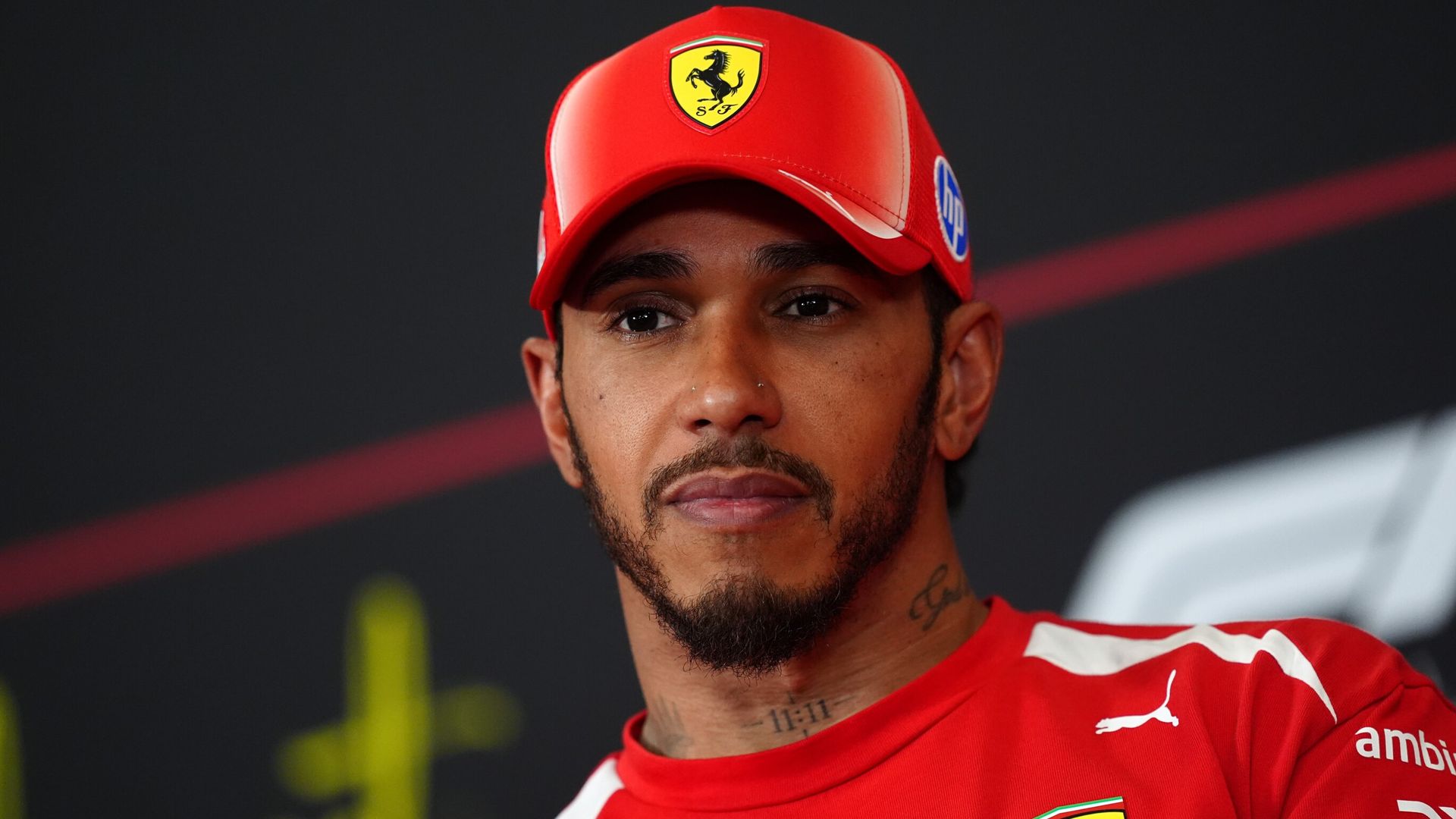
Lewis Hamilton faces unprecedented scrutiny from Formula 1 stewards following an unusual cluster of penalties that has disrupted his recent campaign. The seven-time world champion has been handed four separate sanctions across the latest three race weekends—a frequency that stands out markedly even for a driver competing at the sport's highest level and raises questions about both his driving conduct and the consistency of steward decision-making.
A Rare Concentration of Sanctions
SponsorContarContabilità in cloudFatture, scadenze e conti della tua attività, senza pensieri.Scopri →The accumulation of four penalties over such a compressed timeframe represents an extraordinary situation for Hamilton, whose career has generally been characterized by measured racecraft and compliance with technical regulations. The concentration of infractions—coming across three consecutive weekends rather than scattered throughout a season—suggests either a fundamental shift in how the driver is approaching on-track situations or heightened vigilance from the stewards' panel. This clustering is statistically unusual, as even drivers frequently involved in contentious incidents rarely face such rapid-fire penalties.
The nature and severity of these penalties have varied, indicating that Hamilton's transgressions span multiple categories of rule violations rather than reflecting a single recurring mistake. This diversity in infraction types suggests the issues are not attributable to one particular aspect of his driving style but rather represent distinct incidents, each reviewed independently by the stewards.
The Competitive Impact and Cost
SponsorAiSharpDati potenziati dall'AIFeed e analisi intelligenti per il tuo prodotto.Scopri →The timing of these penalties during the critical phase of the season introduces a significant complicating factor to Hamilton's championship aspirations. Beyond the immediate points deductions or grid position penalties that stewards have imposed, the accumulation of sanctions carries broader ramifications. Each penalty carries potential championship momentum implications, affecting not only final point tallies but also the psychological narrative surrounding his performance during a pivotal stretch of races.
Grid penalties represent a particularly costly form of sanction, as they directly compromise a driver's starting position regardless of qualifying performance. Position penalties during races can similarly undermine strategic opportunities and force alternative tactical approaches. When multiple penalties compound across several weekends, the cumulative effect extends beyond the mathematical point deduction to influence championship positioning and confidence heading into subsequent races.
Steward Consistency and Interpretation Questions
The frequency of penalties directed toward one driver inevitably prompts scrutiny of steward decision-making patterns and the consistency of rule interpretation. Formula 1 operates within a complex regulatory framework where subjective judgment plays a substantial role, particularly in matters involving track positioning, defensive driving, and racing incidents. The concentration of Hamilton penalties raises legitimate questions about whether stewards are applying standards uniformly across all competitors or whether particular driving styles are receiving heightened examination.
This situation mirrors longstanding debates within the Formula 1 community regarding steward consistency. Different panels across various races may interpret identical situations differently, and the evolution of rule enforcement throughout a season can create confusion among drivers and teams attempting to calibrate their conduct accordingly. The apparent severity of the recent penalty sequence warrants examination of whether enforcement has shifted.
Team Strategy and Moving Forward
Mercedes, Hamilton's team, faces the challenge of adapting both strategically and tactically to navigate this unusual situation. The team must work with their driver to identify the specific behavioral patterns or technical approaches that have triggered steward attention, then implement adjustments without compromising competitiveness. This process becomes more complex when penalties span different types of violations, as it suggests multiple areas requiring attention rather than a single correction.
Moving forward, Hamilton and Mercedes will likely adopt a more conservative approach in certain racing scenarios to minimize penalty risk. This defensive posture, however, could slightly limit aggressive opportunities that might otherwise yield competitive advantages. The psychological dimension cannot be overlooked either, as any driver facing heightened scrutiny may become more tentative, potentially affecting performance levels.
Looking Ahead
The forthcoming races will be critical in determining whether this penalty sequence represents a temporary anomaly or the beginning of a prolonged problem. If the sanctions continue, it would suggest either an ongoing issues with Hamilton's approach or potentially systematic concerns with steward panel composition and consistency. Conversely, a return to his typical penalty-free racing would indicate these incidents were circumstantial rather than reflective of fundamental change. The coming weeks will provide clarity on both the driver's ability to adapt and the regulatory environment's trajectory.