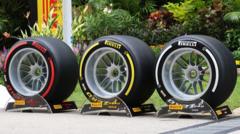
The tires used in Formula 1 represent far more than simple rubber compounds—they are precision-engineered components that fundamentally shape race strategy, driver performance, and championship outcomes. As the sport prepares for the 2026 season, understanding the different tire classifications and their characteristics has become essential for anyone seeking to comprehend modern motorsport competition at its highest level.
The Three-Compound Tire System
SponsorContarContabilità in cloudFatture, scadenze e conti della tua attività, senza pensieri.Scopri →Formula 1 employs a tiered approach to tire selection, with teams choosing from three distinct compound options during each race weekend. These compounds are carefully formulated to provide varying degrees of grip, durability, and heat retention depending on track conditions, weather patterns, and strategic requirements. The softer compounds generate greater adhesion to the track surface, enabling faster lap times but sacrificing longevity through increased wear. Conversely, harder compounds prioritize durability and consistency, allowing drivers to maintain performance over extended stints while compromising outright speed.
Teams must navigate this fundamental trade-off when planning their race strategy. The selection of which compounds to use—and precisely when to deploy them—has become a critical chess match between pit crews and strategists. Different circuits favor different approaches, with high-speed venues demanding more durable compounds while technical courses benefit from softer, more responsive options.
Tire Markings and Identification
SponsorAiSharpDati potenziati dall'AIFeed e analisi intelligenti per il tuo prodotto.Scopri →Each compound receives distinctive color-coded markings that serve as instant visual identification during broadcasts and pit operations. These standardized markers enable teams, officials, and fans to immediately recognize which compound is in use during any given phase of the race. The color system has become so ingrained in Formula 1 culture that even casual viewers can follow strategic developments by simply observing the tires on each vehicle.
Pirelli, the exclusive tire supplier for the sport, introduces new tire specifications annually to align with technical regulations and circuit characteristics. This continuous evolution ensures that tire performance remains balanced relative to vehicle capabilities, preventing any single team from gaining an insurmountable advantage through tire management alone.
Strategic Implementation Throughout Race Weekends
The allocation of available tire sets creates a complex puzzle that teams must solve from the moment they arrive at each venue. Limited supplies of each compound force difficult decisions about which tires to use during practice sessions, qualifying, and the race itself. Teams must gather sufficient data with softer compounds for qualifying performance while preserving adequate sets of harder compounds for race day endurance requirements.
Weather introduces an additional variable that can render pre-race tire selections obsolete. Rain forces unprecedented decisions about whether to switch compounds entirely, potentially sacrificing progress made with a particular tire strategy. Experienced strategists maintain flexibility throughout race weekends, continuously revising their approaches as weather forecasts evolve and track conditions change.
Looking Toward 2026 and Beyond
The upcoming 2026 season will continue Formula 1's tradition of refining tire technology to match the sport's ambitious performance targets. Regulations governing power units and aerodynamics shift every few years, necessitating corresponding adjustments to tire specifications to maintain competitive balance. Pirelli's engineers work closely with teams and governing bodies to develop compounds that promote close racing while providing sufficient strategic diversity.
As hybrid power units become increasingly sophisticated and aerodynamic efficiency improves, tires must evolve accordingly to remain the performance-limiting factor. Should tire performance lag behind vehicle capabilities, on-track racing would suffer as drivers could push without meaningful consequences. Conversely, if tires prove too limiting, the sport loses the strategic depth that currently defines elite-level Formula 1 competition.
The intricate relationship between tire technology and competitive balance underscores why tire selection represents far more than a routine logistical decision. From the moment teams first inspect their allocated sets through the final laps of the race, tire management influences every strategic decision and ultimately determines which drivers and teams finish ahead of their rivals. As Formula 1 continues its technological evolution heading into 2026, tires will remain central to the sport's competitive narrative.