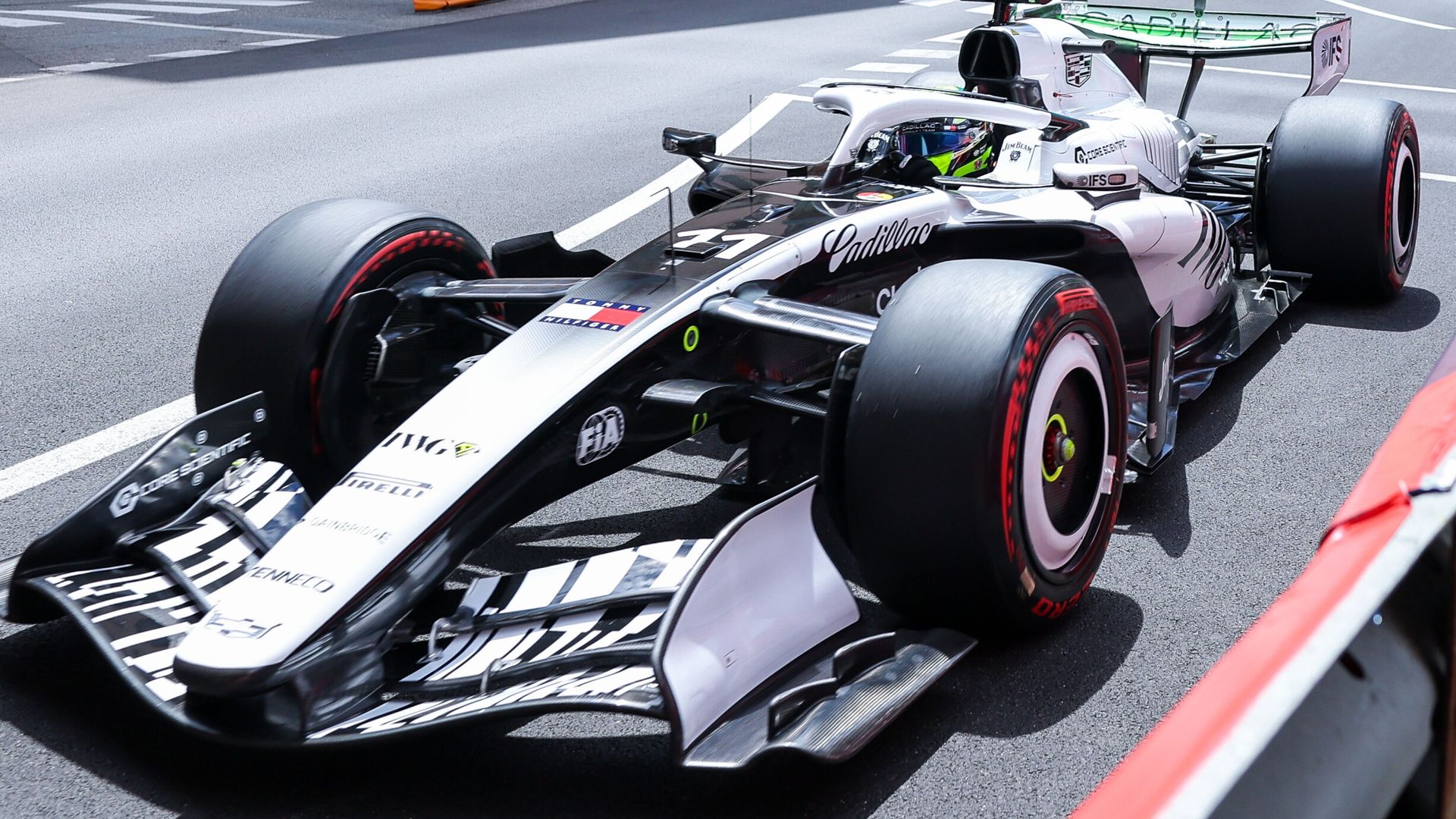
Just one week before Formula 1 was set to resume operations at the Dutch Grand Prix in Zandvoort, the sport's newest team made a stunning management announcement that sent shockwaves through the paddock. Cadillac has removed Graeme Lowdon from his position as team principal, a move that caught many observers off guard during the summer break. The American manufacturer has installed Marcin Budkowski, a veteran of Alpine, as Lowdon's successor, signaling a decisive shift in organizational direction for the fledgling squad as it prepares for the upcoming phase of its F1 journey.
Leadership Experience at the Core of Decision
SponsorContarContabilità in cloudFatture, scadenze e conti della tua attività, senza pensieri.Scopri →The appointment of Budkowski represents a calculated decision to bring high-level structural expertise to Cadillac's operation. Budkowski's tenure with Alpine gave him substantial exposure to the complexities of operating a competitive Formula 1 outfit, providing him with firsthand knowledge of the technical, strategic, and personnel management challenges that define modern Grand Prix racing. His experience navigating the demands of a manufacturer-backed program offers Cadillac a leadership perspective forged in the demanding environment of Formula 1 competition.
Lowdon's departure marks the end of his involvement with the project during its earliest stages. His role during the initial phases had been instrumental in establishing the foundational structure as Cadillac developed its entry into the sport, yet the decision to make this change indicates that leadership felt a different direction was necessary as the team moves beyond its developmental phase and into more competitive ambitions.
Timing Raises Questions About Direction
SponsorAiSharpDati potenziati dall'AIFeed e analisi intelligenti per il tuo prodotto.Scopri →The timing of this announcement during the sport's summer recess, mere days before the season's resumption, underscores the urgency with which Cadillac's ownership viewed the need for change. Rather than delay until the conclusion of the current campaign, the decision was executed swiftly, suggesting internal evaluations had already determined that a leadership transition was essential for the team's progression.
This mid-season adjustment demonstrates that despite being a newcomer to Formula 1, Cadillac is willing to make significant organizational decisions when it judges them necessary. The move also signals that the team's ownership and stakeholders expect meaningful advancement and are prepared to restructure leadership to achieve their objectives. Such decisive action, while potentially disruptive, can sometimes catalyze positive change if the incoming leader possesses the requisite experience and vision.
Alpine Connection and Track Record Implications
Budkowski's background with Alpine, a manufacturer that has competed at various levels within Formula 1, provides him with relevant experience in managing the intersection of corporate interests and competitive ambition. During his time with the French team, he would have gained exposure to budget management, technical development strategies, and the coordination required between factory elements and track operations—all critical components of running a contemporary F1 program.
His appointment suggests Cadillac believes that leadership schooled in the realities of operating an established F1 team will prove more effective than the approach previously in place. Whether this represents a fundamental change in strategy or simply an adjustment in execution style will become clearer as the season progresses and Budkowski's influence shapes team operations.
Implications for Team Performance and Stability
The transition occurs at a juncture where Cadillac remains focused on establishing itself as a credible competitor within Formula 1's complex ecosystem. Such organizational changes inevitably create short-term questions about continuity and stability, yet they also present opportunities for fresh perspectives and renewed focus on objectives. The team's personnel, drivers, and technical staff will need to adapt to new leadership dynamics while maintaining concentration on performance targets.
For fans and observers, this change serves as a reminder that Formula 1's competitive environment demands constant evaluation and adjustment, even among organizations still in their infancy within the sport. The effectiveness of this leadership transition will ultimately be measured by the team's on-track performance and its progress toward the ambitious goals that motivated Cadillac's entry into Formula 1.
As the sport prepared to return from its summer break with racing set to resume at Zandvoort, Cadillac's organizational restructuring added an unexpected subplot to the season's narrative, highlighting that significant developments extend far beyond driver performances and technical regulations.