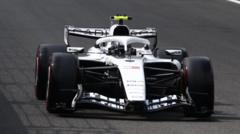
With the Formula One circus preparing to roll into the Netherlands for the next championship installment, significant developments surrounding the sport's newest franchise and one of its established outfits continue to dominate conversation among fans and analysts alike. The impending arrival of Cadillac into the premier motorsport series, combined with ongoing questions about the direction of the Haas team, has created a compelling backdrop as the season reaches a critical juncture. These topics have generated substantial curiosity within the F1 community, prompting detailed examination of what lies ahead for both organizations and the implications for the broader championship landscape.
The Cadillac Project: What Lies Ahead for General Motors
SponsorSportsWire APIAPI notizie sportiveIntegra le notizie sportive nel tuo sito o app.Scopri →The entry of Cadillac into Formula One represents one of the most significant developments in contemporary motorsport, marking General Motors' ambitious foray into the world's most prestigious racing competition. The American manufacturer's commitment to establishing a competitive presence in F1 has generated considerable intrigue regarding operational structures, resource allocation, and realistic timeframes for development. Questions persist about the practical aspects of this expansion, from infrastructure requirements to driver recruitment strategies, as the organization works toward becoming a functional competitor within the established grid hierarchy.
The timeline for Cadillac's competitive debut and the pathway toward establishing a genuine championship contender remain focal points of speculation. Understanding the phased approach to integration, the partnerships necessary for success, and the financial commitment underlying this venture provides essential context for enthusiasts seeking clarity on this transformative development for the sport.
Haas Team Direction: Navigating Structural Changes
SponsorTgBridgeAutomazione TelegramBridge e automazioni per i tuoi canali e gruppi Telegram.Scopri →The Haas team occupies a peculiar position within contemporary Formula One, balancing aspirations of regular points finishes against the constraints of operating with a relatively lean organizational model. Questions surrounding the team's technical direction, driver pairing strategy, and competitive trajectory have become increasingly relevant as the season progresses. The outfit's approach to resource management and its ability to sustain competitive performance amid the sport's escalating costs and technological demands continue to warrant careful examination.
Internal dynamics at the American-owned enterprise, including personnel decisions and strategic priorities, shape not only immediate competitive prospects but also long-term viability within the championship framework. The interplay between maintaining current performance levels and pursuing meaningful improvements represents a central challenge for the organization as it navigates an increasingly demanding environment.
Technical Regulations and Competitive Equilibrium
The regulatory framework governing contemporary Formula One continues to influence how teams like Haas allocate resources and pursue strategic advantages. With technical regulations providing both constraints and opportunities, established teams must constantly reassess their approaches to remain competitive. The balance between innovation within permitted parameters and straightforward execution of proven concepts determines success across the grid. For teams operating with different resource levels and organizational structures, understanding these technical parameters proves essential for maintaining competitive relevance.
The Dutch Grand Prix provides another opportunity for teams to demonstrate their technical progress and refinement of their respective strategic approaches. As the season unfolds, the competitive dynamics established by regulatory compliance and technical interpretation continue to shape outcomes across the grid.
Fan Engagement and Championship Narrative
The curiosity demonstrated by Formula One enthusiasts regarding these developments reflects the sport's broad appeal and the passionate engagement of its global audience. The questions fans raise illuminate not only their interest in competitive outcomes but also their desire to understand the operational complexities underlying top-level motorsport. This sustained engagement, regardless of which teams or manufacturers occupy the spotlight, underscores the enduring appeal of Formula One as both a sporting spectacle and technical showcase.
Looking Forward
As the championship resumes at the iconic Dutch circuit, these questions surrounding Cadillac's ambitious entry and Haas's operational direction will likely intensify rather than diminish. The coming races promise to shed additional light on strategic decisions being implemented across the grid. For competitors, manufacturers, and observers alike, the weeks and months ahead will provide crucial opportunities to assess whether current trajectories deliver the anticipated results. The sport continues to evolve, with established protocols and emerging challenges demanding constant attention from everyone invested in Formula One's future.