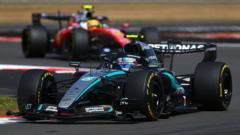
Formula One is continuing its experimental approach to race weekends with the introduction of sprint events, which have become an integral component of the championship calendar. The 2026 season will feature six of these condensed racing spectacles spread across the year, each following a distinct operational framework designed to maintain competitive balance while offering fans alternative entertainment within the existing schedule.
Understanding the Sprint Race Concept
SponsorSportsWire APIAPI notizie sportiveIntegra le notizie sportive nel tuo sito o app.Scopri →Sprint races represent a departure from traditional Formula One weekends by compressing the racing action into a shorter, more intense format. Rather than the conventional setup where drivers have multiple practice sessions before a qualifying round and the main Grand Prix, sprint events streamline this process considerably. The races themselves are notably shorter than standard championship races, typically running for a reduced distance that creates a different strategic dynamic compared to the traditional three-hour affair fans have grown accustomed to over decades of Formula One competition.
The sprint format was initially introduced as an experimental feature to generate additional racing opportunities and maximize engagement across a weekend. By incorporating these events into the 2026 calendar, the sport's governing body has signaled confidence that the format delivers compelling competition while also providing broadcasters with supplementary content and giving teams alternative platforms to score points and gather performance data.
The Six Sprint Events Across 2026
SponsorTgBridgeAutomazione TelegramBridge e automazioni per i tuoi canali e gruppi Telegram.Scopri →The 2026 calendar will distribute these six sprint races strategically throughout the season, ensuring that no particular region or driver gains disproportionate advantage from the format. This measured approach to implementation reflects the sport's commitment to testing the sprint concept's long-term viability without overwhelming the traditional race weekend structure that remains central to Formula One's identity.
The decision to include exactly six events suggests a careful balance between innovation and tradition. This number provides sufficient data for meaningful evaluation while preserving the primacy of conventional races that continue to define the championship's character. Each sprint event presents teams with fresh opportunities to refine car setups and strategies in real-time competition scenarios.
Points and Championship Implications
Sprint races carry championship significance, with points awarded to finishers in a manner that influences the overall standings. This incentivizes genuine competitive effort from all participants rather than treating sprint events as mere exhibitions. The points structure ensures that performances across these condensed races contribute meaningfully to both driver and constructor championship battles, thereby maintaining stakes and drama throughout the weekend.
Teams must carefully allocate their resources when managing sprint weekends alongside regular Grand Prix events. The technical regulations and vehicle specifications may create distinct strategic opportunities compared to full-length races, potentially allowing different teams or drivers to showcase particular strengths under sprint conditions. This variability adds another layer of unpredictability to championship outcomes.
Operational Framework and Schedule Integration
The 2026 sprint races fit within the broader weekend structure alongside traditional qualifying rounds and main championship races. This integration requires precise scheduling to ensure drivers have adequate recovery time and teams can properly prepare vehicles between multiple racing sessions. The format's success depends substantially on effective logistics management and clear communication of regulations to all stakeholders.
Teams have grown increasingly familiar with managing the operational demands of sprint weekends over previous seasons. By 2026, this experience translates into refined approaches to fuel management, tire strategy, and driver fitness preparation. The condensed nature of these races often rewards aggressive driving and precise execution, occasionally producing results that surprise observers accustomed to the longer-race dynamics that allow for strategic overtaking and tire-management-based position changes.
Looking Ahead to 2026
The continuation of sprint racing into 2026 demonstrates Formula One's commitment to evolving its competitive structure while maintaining backward compatibility with traditional racing formats. As the calendar approaches with these six events scheduled throughout the year, teams and drivers must prepare for a season that demands adaptability across multiple formats.
The true impact of sprint races will become clearer as the season unfolds, providing valuable feedback on whether this format enhances the overall championship experience or represents a temporary evolution in the sport's presentation. For now, the 2026 season promises to deliver varied racing action across six distinctive events that will test competitor mettle in compressed but no less demanding circumstances.