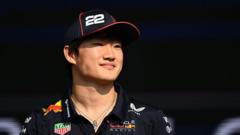
The 2026 Formula 1 season looms as a critical juncture for Japanese driver Yuki Tsunoda, whose current trajectory at Red Bull Racing demands careful examination as the sport enters a new technical era. With major regulatory changes on the horizon and shifting driver market dynamics, Tsunoda faces a pivotal moment that could either cement his position within the Red Bull ecosystem or force him to chart a different course entirely. Understanding what lies ahead for the talented Japanese competitor requires analysis of his current standing, the team's strategic direction, and the evolving landscape of the sport.
Red Bull's Driver Lineup Strategy
SponsorSportsWire APIAPI notizie sportiveIntegra le notizie sportive nel tuo sito o app.Scopri →Red Bull Racing has long maintained a hierarchical approach to its driver partnerships, with a clear pecking order established between its lead driver and supporting pilot. Tsunoda's position within this framework remains subject to the team's broader strategic considerations as it navigates resource allocation and performance targets heading into 2026. The energy drink outfit's history of promoting young talent through its junior academy system suggests the organization remains committed to identifying and developing the next generation of drivers, yet this commitment is always balanced against immediate championship objectives and commercial interests.
The upcoming technical regulation changes represent an inflection point for how teams structure their driver programs. With new power unit suppliers entering the grid and significant chassis modifications required, stability and experience in the driver lineup becomes increasingly valuable during transitional periods. This reality could influence whether Tsunoda receives extended opportunity to grow within the Red Bull family or whether the team opts to reshape its driver pairing.
The Competitive Context
SponsorTgBridgeAutomazione TelegramBridge e automazioni per i tuoi canali e gruppi Telegram.Scopri →Tsunoda has demonstrated considerable pace during his time in Formula 1, showcasing the ability to extract competitive performances from machinery provided to him. However, consistency and the ability to deliver results under pressure remain areas where comparisons with teammates have proven instructive. The Japanese driver's development trajectory suggests continued potential, yet the margin for error in modern Formula 1 grows narrower each season, particularly for drivers competing outside the top teams.
The competitive field itself continues to evolve, with manufacturers investing heavily in hybrid power unit development and teams refining their approaches to driver pairing strategies. For Tsunoda to secure his position within Red Bull beyond 2025, demonstrating sustained performance improvement and tactical acumen will prove essential. The 2026 season will arrive with heightened scrutiny on all driver performances as new technical regulations reset the competitive order and provide fresh opportunities for drivers to prove their credentials.
Market Dynamics and Alternative Paths
The Formula 1 driver market operates within distinct power structures, with top teams exercising considerable influence over the careers of competitors throughout the sport. Should Red Bull's internal assessment suggest limited prospects for Tsunoda within its primary structure, other possibilities emerge across the grid. Tsunoda's experience and accumulated knowledge make him potentially valuable to midfield teams seeking drivers with established credentials and the mental fortitude required for consistent performance over full seasons.
His Japanese nationality also carries significance, as F1 teams value global diversity in their driver rosters and the commercial opportunities that accompany drivers with strong appeal in major markets. This aspect of his profile may present opportunities should circumstances at Red Bull shift. Alternatively, roles within the broader ecosystem of motorsport, including test and development positions with established manufacturers, represent viable pathways that leverage his expertise while providing meaningful competition opportunities.
The Uncertain Horizon
As the sport prepares for its next evolutionary chapter, Tsunoda's future remains genuinely uncertain, dependent on multiple interconnected factors beyond any single individual's complete control. The decisions Red Bull makes regarding its driver lineup, the performance trajectories of its competitors, and the opportunities that emerge elsewhere on the grid will collectively shape what 2026 holds for the talented Japanese competitor. His own performances during the intervening seasons will prove decisive in influencing these external variables.
Tsunoda possesses the demonstrated capability to compete effectively in Formula 1, yet securing a place in the sport's upper tier requires not only talent but also advantageous circumstances and consistent execution. The next eighteen months will provide crucial evidence about whether his Formula 1 career continues within Red Bull's ecosystem or pursues alternative directions. For Tsunoda and the wider paddock, the 2026 season represents a genuine turning point—one that will become increasingly clear as the current campaign unfolds and the market begins reshaping itself around the sport's new technical reality.