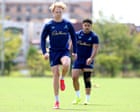
Australia's coaching staff continues an intensive evaluation of potential first five-eighths candidates as head coach Les Kiss orchestrates significant changes to the lineup ahead of this weekend's encounter against Japan in Townsville. The selection process reflects Kiss's methodical approach to finding the ideal playmaker configuration before the global tournament in the coming year.
Kiss Maintains Cautious Stance on Playmaking Position
SponsorTgBridgeAutomazione TelegramBridge e automazioni per i tuoi canali e gruppi Telegram.Scopri →Les Kiss has made clear his intention to conduct a thorough assessment of available talent at the critical No. 10 position throughout the upcoming international window. The newly appointed Australian rugby chief is resisting pressure to settle prematurely on a single solution, instead treating each fixture as an opportunity to scrutinize different candidates. This measured philosophy differs markedly from the conventional approach of locking in selections early, instead suggesting Kiss views the role as a live competition where players must continually demonstrate their suitability for international rugby's highest demands.
The emphasis on continued evaluation indicates deeper concerns within the coaching infrastructure about finding the ideal tactical fit. Rather than banking on established reputation alone, Kiss appears committed to identifying which playmaker can most effectively execute the team's attacking philosophy while managing the considerable defensive responsibilities demanded at this level. His willingness to rotate the position underscores his belief that the right choice will emerge through competitive assessment rather than assumption.
Gordon Handed Opportunity Against Japanese Opposition
SponsorContarContabilità in cloudFatture, scadenze e conti della tua attività, senza pensieri.Scopri →Carter Gordon has been selected to wear the No. 10 jersey for Saturday's fixture in Townsville, providing the talented playmaker with an opportunity to stake a claim for the position ahead of next year's World Cup. Gordon's inclusion represents Kiss's latest addition to an increasingly crowded field of contenders vying for regular exposure in the role. The Townsville venue will serve as another testing ground where the coach can monitor performance metrics, decision-making processes, and general game management under competitive pressure.
Gordon joins several other candidates who have recently featured in Australia's planning, each bringing different tactical attributes and experience profiles. The accumulation of appearances by multiple flyhalves throughout this international campaign suggests Kiss is building a comprehensive database of performances from which to draw conclusions. Whether Gordon can distinguish himself from the selection pool remains to be seen, but the opportunity itself reflects Kiss's belief in his potential contribution to the Wallabies' cause.
Second Match Already Demands Rotation Strategy
The fact that Kiss is implementing significant personnel changes in only his second Test in charge demonstrates his confidence in a broader squad depth. Rather than remaining conservative during the early stages of his tenure, the coach has chosen to implement his vision aggressively, using consecutive fixtures to assess multiple options simultaneously. This approach suggests Kiss arrived with specific targets regarding which combinations and individual performers warranted investigation.
Such wholesale shuffling typically provokes scrutiny from observers concerned about team continuity and cohesion. However, Kiss appears willing to accept short-term disruption in pursuit of long-term clarity. The Japanese fixture, while representing formidable opposition, provides an environment where Australia would typically expect to field a competitive performance. Kiss's willingness to rotate heavily despite this matchup reinforces his commitment to information-gathering over conventional match management philosophy.
Building Toward World Cup Squad Clarity
The window between now and next year's World Cup remains relatively compressed in rugby terms, making each international opportunity increasingly valuable. Kiss's aggressive evaluation strategy reflects awareness that squad decisions made during this period will significantly influence Australia's tournament preparations and ultimate composition. Selecting Gordon and continuing his wider rotation patterns suggests the coach believes sufficient time remains to identify and develop the optimal configuration.
The playmaker position historically carries disproportionate significance in rugby union, with No. 10 performances often determining overall team success more than any other individual position. Kiss's obvious focus on this area indicates recognition that solving this puzzle represents a prerequisite for building a competitive World Cup outfit. Whether through Gordon or another emerging candidate, establishing clarity at flyhalf will provide Australia a foundation upon which to construct broader tactical coherence.
The Japanese contest will provide Kiss with further data points as he continues navigating toward his preferred playmaking solution. Saturday's result will matter considerably, though the deeper significance lies in what performances reveal about individual candidates' readiness for the championship-level demands awaiting Australian rugby next year.