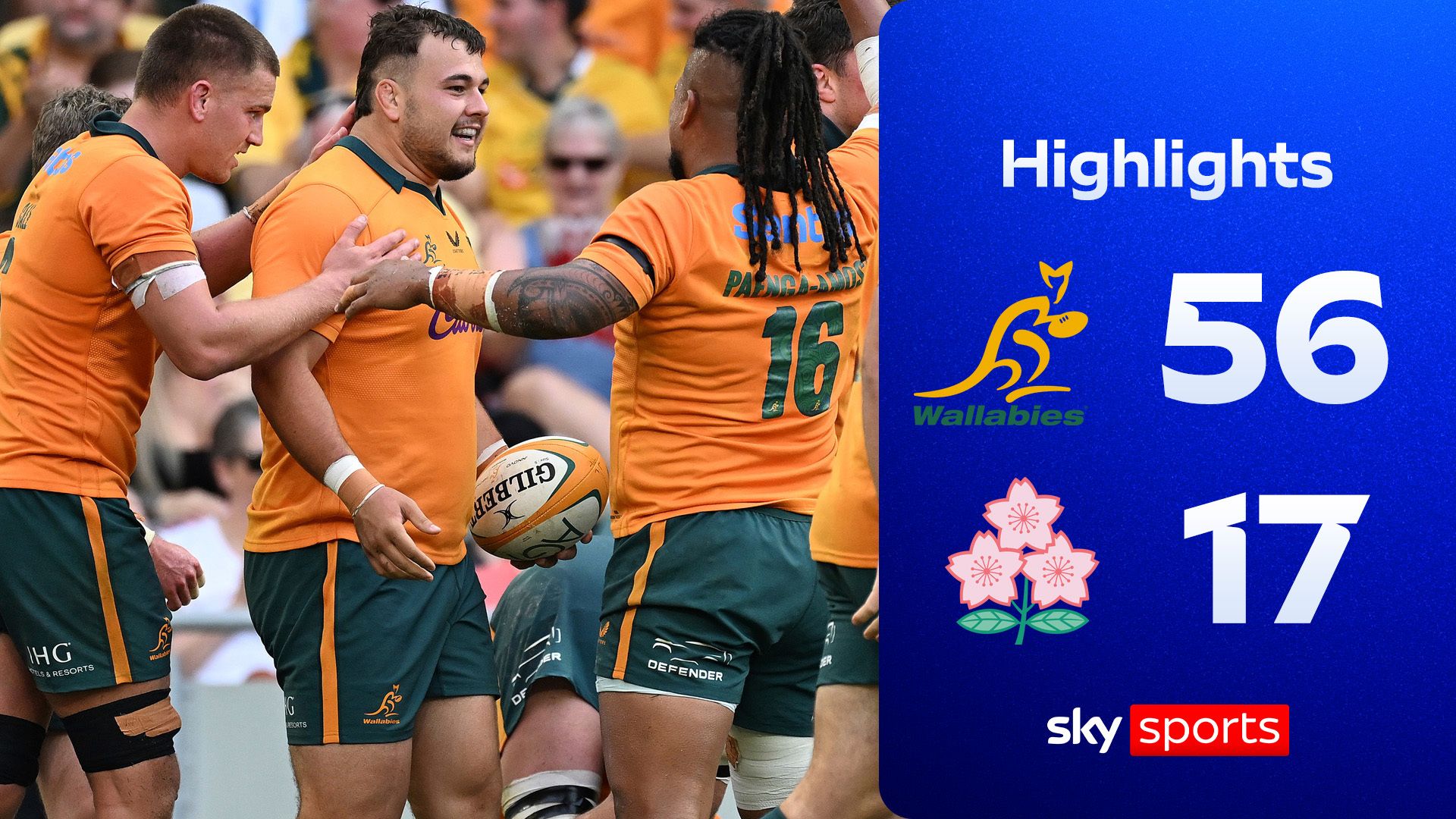
Australia's rugby team delivered a dominant performance in Townsville, overwhelming Japan with a commanding 56-point victory in what proved to be a thoroughly one-sided international rugby union encounter. The Wallabies' clinical execution and defensive intensity throughout the match demonstrated their growing prowess in the sport, leaving their Japanese opponents with little answer to Australia's sustained attacking play and organizational discipline.
Clinical Display of Attacking Prowess
SponsorSmartOddsAnalisi statistiche sportiveStatistiche, modelli e dati avanzati sullo sport.Scopri →The Australian side exhibited exceptional attacking cohesion from the opening moments, with their backline movements and forward pack dominance creating numerous scoring opportunities. The sheer volume of points amassed reflects a rugby team operating at peak efficiency, converting their territorial advantage and possession dominance into tries with impressive regularity. Such a decisive scoreline underscores the considerable gulf between the two nations in terms of current playing strength and squad depth.
Japan, despite their competitive standing in international rugby, found themselves consistently overwhelmed by Australia's intensity and tactical execution. The visiting team's defensive systems struggled to contain the Wallabies' expansive play, and their attacking opportunities proved too infrequent to mount any meaningful comeback. This type of comprehensive defeat, while harsh, provides valuable diagnostic information for the Japanese program about areas requiring improvement at the elite international level.
Defensive Solidity Underpinning Victory
SponsorSportsWire APIAPI notizie sportiveIntegra le notizie sportive nel tuo sito o app.Scopri →Beyond their attacking brilliance, the Wallabies' defensive organization formed the cornerstone of their dominant display. The Australian defense proved suffocating throughout the contest, with organized line speed and effective tackle completion preventing Japan from establishing any sustained momentum in attack. This defensive framework, combined with effective breakdown control, allowed the hosts to dictate the game's tempo and direction according to their own preferences.
The ability to control a match defensively while simultaneously executing attacking play separates elite rugby nations from the rest. Australia's performance in Townsville demonstrated a squad capable of maintaining intensity across both phases of play for the entire duration, a critical requirement for success in international rugby union's demanding schedule.
Strategic Positioning and Team Development
For the Australian rugby program, this victory carries significance beyond the immediate scoreline. High-scoring triumphs against established international opposition provide valuable opportunities for coaching staff to implement tactical approaches and evaluate player combinations in competitive environments. The Townsville fixture offered a platform for Australia to integrate squad depth while maintaining the winning momentum necessary for building team cohesion heading toward major tournaments.
Japan's participation in such encounters, conversely, provides their program with benchmarking data against stronger opposition. While the outcome proved one-sided, international matches against top-tier nations offer developmental value that domestic competition cannot replicate. These fixtures inform coaching decisions and highlight specific technical areas where player development initiatives should be prioritized.
Regional Hosting and Competitive Context
The Townsville venue provided an ideal setting for Australia to showcase their rugby capabilities on home soil. Regional hosting of international matches strengthens rugby's grassroots appeal across Australia's diverse geography, extending fan engagement beyond traditional rugby heartlands. Such matches contribute to building the sport's commercial sustainability while providing local communities with access to elite international rugby union.
The fixture against Japan fits within Australia's broader international schedule, where nations must balance preparation requirements against opposition selection. Japan's willingness to tour Australia and accept such challenging contests demonstrates the collaborative nature of modern international rugby, despite the competitive imbalance on the day.
Outlook and Future Implications
Australia's emphatic victory in Townsville sends a clear statement about their current competitive standing within international rugby union. The Wallabies' ability to execute attacking plans while maintaining defensive discipline suggests a program moving in a positive direction. However, competitive progress will ultimately be measured against the sport's top nations in higher-stakes environments.
For Japan, the challenge remains closing the competitive gap through sustained skill development and strategic recruitment. Rugby's global hierarchy shifts gradually, requiring consistency and long-term vision rather than isolated performances. Both nations will draw different lessons from this encounter as they navigate their respective rugby pathways toward future international objectives.