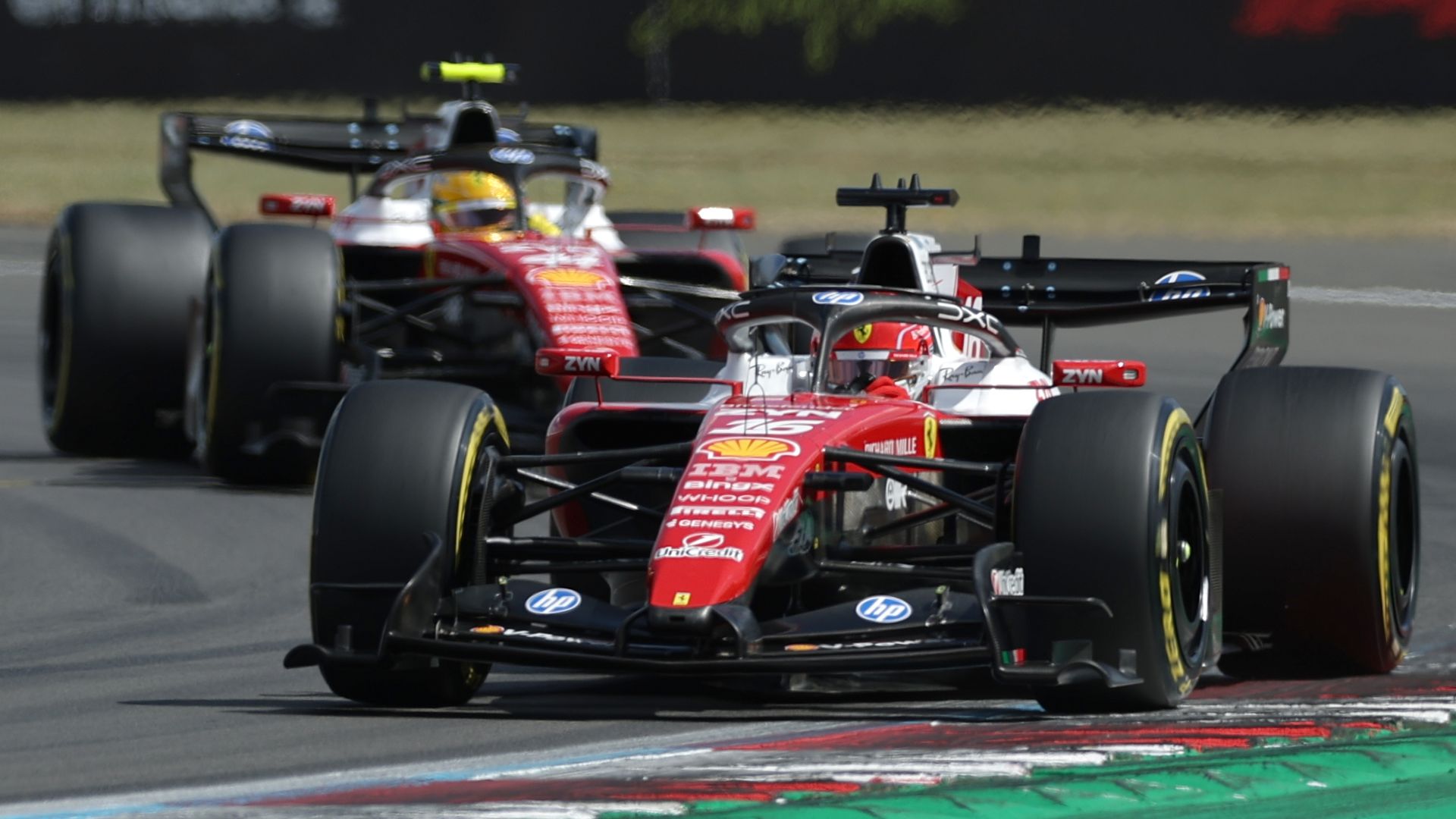
Ferrari Sets Sights on Key Improvements as Hamilton Pushes Title Bid into Second Half
Ferrari leadership has outlined its strategic priorities for the remainder of the 2026 Formula 1 season, with team principal Frederic Vasseur identifying specific areas requiring development to maintain competitiveness in what promises to be a tightly contested championship race. The Scuderia faces a critical juncture as Lewis Hamilton continues his campaign to keep the title within reach, making the second half of the campaign pivotal for both the British driver and the storied Italian outfit.
SponsorContarContabilità in cloudFatture, scadenze e conti della tua attività, senza pensieri.Scopri →Vasseur Maps Tactical Direction Post-Break
Following the traditional mid-season hiatus, Ferrari has conducted a thorough assessment of its performance and shortcomings. Vasseur's candid evaluation signals a team determined to capitalize on the remaining races and bridge any performance gaps that have accumulated through the opening portion of the campaign. The period between now and the championship's conclusion represents an opportunity for meaningful technical refinement and strategic adjustment that could prove decisive in determining the final outcome.
The Ferrari principal's transparency regarding the team's developmental roadmap underscores the competitive nature of the current F1 landscape. Rather than settling for marginal gains, Vasseur has focused on identifying the most impactful areas where concentrated effort might yield substantial improvements. This methodical approach reflects the experience and resources available to one of motorsport's most prestigious organizations.
SponsorAiSharpDati potenziati dall'AIFeed e analisi intelligenti per il tuo prodotto.Scopri →Hamilton's Title Aspirations Drive Team Focus
Lewis Hamilton's continued involvement in the championship battle adds significant motivation to Ferrari's developmental push. The seven-time world champion's arrival at the Maranello team carries immense expectations, and maintaining realistic title contention through the second half of the season remains paramount to justifying that high-profile signing. Hamilton's experience and track record provide the team with valuable insight into performance optimization at the highest level.
The dynamic between Vasseur's strategic vision and Hamilton's driving prowess creates a compelling narrative for the remainder of the season. With the driver currently positioned to remain engaged in the title fight, the responsibility falls upon the engineering and technical teams to provide the necessary performance upgrades and reliability improvements. The synergy between driver and team becomes increasingly important as the pressure mounts during the final rounds.
Technical Development as Season-Defining Factor
Vasseur's identification of priority improvement areas suggests that Ferrari recognizes specific technical deficiencies rather than accepting wholesale performance weakness. Whether these focus on aerodynamic efficiency, power unit optimization, or mechanical reliability, the team's targeted approach indicates a clear understanding of where investments of time and resources will prove most productive. The concentration on "most important" elements reflects a pragmatic allocation strategy given the constraints of in-season development regulations.
The competitive environment of modern Formula 1 means that standing still is effectively moving backward, particularly when rival teams continue their own developmental programs. Ferrari's commitment to pursuing meaningful upgrades demonstrates an understanding that incremental progress compounds throughout a season's closing stages. Each tenth of a second gained, whether in qualifying performance or race-day pace, carries exponential significance when championship points remain closely distributed among competitors.
Championship Implications and Competitive Landscape
The second half of any Formula 1 season frequently produces unexpected developments, with teams capable of emerging stronger following strategic refinement and technical innovation. Ferrari's position in the championship standings and Hamilton's individual points tally will determine whether the team's planned improvements translate into tangible competitive advantage. The organization faces pressure from multiple directions, both from established rivals and from its own internal expectations.
Vasseur's willingness to publicly articulate the team's development priorities suggests confidence in Ferrari's ability to execute its vision during the crucial coming months. The transparency also acknowledges the passionate fanbase that follows the Scuderia with unwavering devotion, providing some assurance that leadership recognizes the significance of the championship battle and possesses clear plans to address identified weaknesses.
Looking Ahead to the Season's Decisive Phase
As the calendar turns toward the season's back half, Ferrari faces a defining period that will shape perceptions of both the 2026 campaign and the team's trajectory moving forward. The combination of Vasseur's strategic direction, the technical team's execution capability, and Hamilton's on-track performance will determine whether the improvements materialize as envisioned. The championship remains genuinely contested, and Ferrari's focused approach to the remaining races suggests the team believes strongly in its capacity to compete for the ultimate prize.