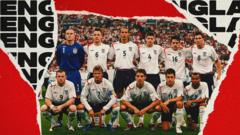
The summer of 2006 promised everything for English football. A squad packed with talent, playing in a nation where the sport commanded unprecedented media attention, seemed destined for glory on the world's biggest stage. Instead, what unfolded in Germany would become a painful reminder that potential and expectation do not always translate into success. The tournament exposed the fragility of even the most talented teams and left a nation grappling with unfulfilled dreams.
A Squad Built for Glory
SponsorSportsWire APIAPI notizie sportiveIntegra le notizie sportive nel tuo sito o app.Scopri →England entered the 2006 World Cup with arguably one of its strongest rosters in modern history. The team boasted an array of world-class talent performing at elite European clubs, with stars capable of competing against any side in global football. The midfield and attacking options were particularly formidable, offering manager Sven-Göran Eriksson multiple strategic possibilities. The confidence surrounding the squad extended beyond the dressing room—supporters, media and analysts alike genuinely believed this could finally be England's moment to end decades of World Cup drought.
The expectation was understandable. English players dominated the best leagues in Europe. The profile of the squad extended beyond the pitch as well, with several members of the team married to or dating high-profile celebrities, making them fixtures in the entertainment world just as much as the sporting one. This celebrity culture surrounding the squad added another layer to the mounting pressure, as the entire nation seemed invested in their success.
Tournament Reality Sets In
SponsorTgBridgeAutomazione TelegramBridge e automazioni per i tuoi canali e gruppi Telegram.Scopri →However, the tournament in Germany would tell a different story. England's performances fell short of the pre-competition hype, and despite individual moments of quality, the team never truly convinced as a cohesive force. The pressure that had seemed manageable in the buildup became a tangible weight as matches progressed. Tactical flexibility and clinical finishing, essential ingredients at the highest level, proved inconsistent.
The fall from the heights of expectation was particularly steep because so many had genuinely believed this squad could go far. The confidence that had been built during qualification turned to frustration as opportunities passed unfulfilled. Questions emerged about team balance, individual focus and whether the squad possessed the mental resilience required to peak at precisely the right moment.
The Weight of Expectation
One of the central narratives surrounding England's campaign was the burden of enormous expectation. The British media had spent months building the narrative of a generation finally fulfilling its potential, while supporters dared to dream of ending a 40-year wait for World Cup success. When performances did not match the rhetoric, the contrast between prophecy and reality became starkly apparent.
The celebrity element that had added glamour to the squad in the months before the tournament began to feel like a distraction as things unraveled. Entertainment value and sporting success, while not mutually exclusive, sometimes compete for attention in ways that can undermine focus. The extensive media coverage of players' personal lives and their partners threatened to overshadow the actual football being played.
Lessons and Legacy
The 2006 campaign would ultimately serve as a cautionary tale about the dangers of excessive confidence and unchecked expectation. A golden generation, one rich with individual talent and capability, discovered that tournaments are won through collective performance under pressure rather than through assembled star power alone. The experience would shape how English football approached future campaigns and highlighted the gap between potential and delivery.
As the summer ended and the squad returned home early, the questions lingered about what might have been. The talent was undeniable, but talent alone proved insufficient. England would spend years analyzing what went wrong, seeking to understand how a group with such obvious quality had failed to produce the results that seemed so certain beforehand.
The 2006 World Cup became a defining moment not for triumphs, but for the sobering reality that even exceptional squads can stumble when tactical acumen, mental strength and collective harmony fail to align. For English football, it was a summer that promised everything but delivered disappointment—a harsh lesson in the unpredictability of sport.