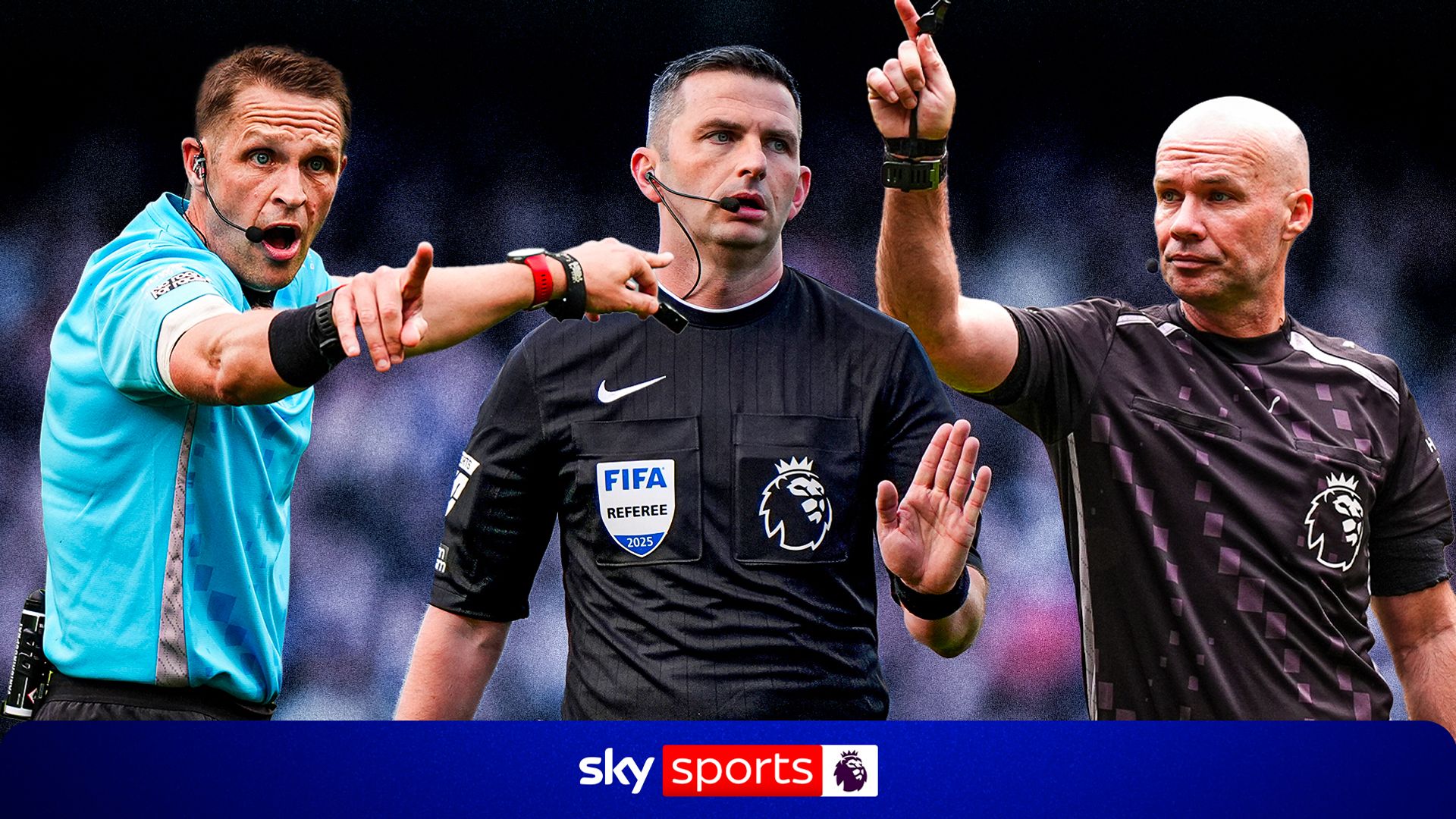
English football's top division enters another campaign with fresh regulatory amendments designed to shape how clubs operate and compete. The Premier League has introduced a series of modifications to its governance framework that will govern team conduct, financial operations, and competition procedures throughout the upcoming season. These adjustments represent the league's ongoing effort to maintain competitive balance while modernizing its administrative standards.
Financial Spending Constraints Tightened
SponsorTgBridgeAutomazione TelegramBridge e automazioni per i tuoi canali e gruppi Telegram.Scopri →The Premier League has reinforced its approach to controlling expenditure among member clubs. The modifications build upon existing regulations intended to prevent excessive spending and ensure long-term financial sustainability across the division. These measures establish clearer parameters for how clubs must manage their budgets, with stricter monitoring of income and outgoing finances. The framework aims to create a more level playing field by preventing wealthier organizations from gaining insurmountable competitive advantages through unrestricted investment. Teams must now demonstrate greater transparency in their financial reporting, allowing the league to enforce compliance more effectively throughout the season.
Transfer Market and Squad Registration Rules
Changes to transfer procedures and player registration protocols will affect how clubs build and manage their rosters. The new guidelines establish clearer timelines for registration deadlines and introduce additional documentation requirements for incoming players. These regulations are intended to streamline the administrative process while reducing opportunities for technical violations that previously complicated midseason adjustments. Clubs must now adhere to more rigorous verification procedures when registering squad members, particularly regarding international players and work permit applications. The amendments also introduce modifications to loan registration systems, allowing for greater flexibility in certain circumstances while maintaining overall competitive integrity.
SponsorContarContabilità in cloudFatture, scadenze e conti della tua attività, senza pensieri.Scopri →Match Day Operations and Player Conduct Standards
Enhanced regulations governing match day procedures and player behavior represent another significant shift in the league's operational framework. The Premier League has introduced stricter guidelines regarding on-pitch conduct, with particular emphasis on violent conduct and unsporting behavior. These modifications include clearer definitions of offenses and more transparent disciplinary procedures, designed to ensure consistency in how officials enforce regulations. Clubs bear increased responsibility for managing their players' actions, with potential sanctions extending beyond individual punishments. The amendments also address goalkeeper positioning, throw-in procedures, and other technical aspects of play, reflecting ongoing discussions within European football about standardizing match regulations.
Club Infrastructure and Licensing Requirements
Teams must now meet enhanced infrastructure standards as part of their continued participation in the Premier League. These requirements address facilities, training grounds, and administrative capabilities, ensuring all clubs maintain minimum operational standards. The licensing framework has been expanded to include more detailed assessments of organizational structure, ensuring clubs employ adequate staffing and resources to comply with league regulations. This particularly affects smaller clubs and those undergoing ownership transitions, which must demonstrate their ability to meet these elevated standards. The modifications aim to professionalize club operations across the entire division while protecting the league's reputation and competitive credibility.
Sustainability and Long-Term Planning
The Premier League has introduced provisions encouraging clubs to demonstrate sustainable business practices and long-term strategic planning. These guidelines require clubs to provide forecasting documentation and evidence of coherent financial strategies extending beyond single seasons. The framework discourages short-term approaches that prioritize immediate success over organizational stability and encourages investment in academy development and youth infrastructure. Clubs must now demonstrate how their spending aligns with projected revenues, preventing situations where ambitious owners overextend financially and create instability. These provisions represent the league's recognition that sustainable success benefits all stakeholders, from supporters to competing clubs.
The Premier League's regulatory updates reflect an evolving approach to governance in modern professional football. By implementing stricter financial oversight, clarifying procedural requirements, and establishing enhanced infrastructure standards, the league continues refining its competitive environment. These modifications balance the desire for competitive balance with recognition that successful clubs require adequate resources and autonomy. As teams navigate the upcoming season, their ability to adapt to these new requirements will significantly influence their operational success. The Premier League's commitment to transparent, consistent regulation sets the foundation for another compelling campaign ahead.