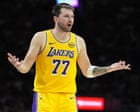
The Los Angeles Lakers, one of basketball's most storied franchises, are poised to change ownership for the second time in less than twelve months, with the transaction valued at over $10 billion. The impending shift has reignited a crucial conversation within sports culture: the fundamental disconnect between how fans view their teams and how ownership structures increasingly treat them—as financial instruments rather than cultural institutions with deep community roots.
The movement of such a prestigious asset between wealthy hands in such a compressed timeframe illuminates the evolving landscape of sports ownership in America. What was once primarily a passion investment for billionaires has increasingly become a speculative venture, where significant franchises function within broader portfolios of business interests. The Lakers' situation represents more than a simple change of management; it exemplifies how even the most celebrated organizations in professional sports can be leveraged, restructured, and transferred with minimal resistance from traditional stakeholders.
SponsorSportsWire APIAPI notizie sportiveIntegra le notizie sportive nel tuo sito o app.Scopri →The Scale of Modern Sports Transactions
The valuation exceeding $10 billion places this transaction among the most expensive team sales in sports history. Such figures demonstrate how far the commercial value of professional sports franchises has expanded in recent decades. The NBA has transformed from a league struggling for mainstream acceptance in the 1980s to a global entertainment powerhouse, with franchise values multiplying exponentially. The Lakers, benefiting from their historic championship pedigree, iconic home market, and consistent relevance, command premium valuations that reflect far more than on-court performance or traditional metrics of organizational success.
These astronomical figures inevitably attract investors viewing teams through a purely financial lens. When ownership stakes represent billions of dollars rather than millions, the emotional connection to winning and community engagement naturally becomes secondary to returns on investment. The rapid turnover of the Lakers ownership demonstrates how this new investor class operates differently from previous generations of sports owners.
SponsorTgBridgeAutomazione TelegramBridge e automazioni per i tuoi canali e gruppi Telegram.Scopri →Rapid Ownership Changes and Market Implications
The second change in less than a year suggests a volatile situation surrounding the franchise's leadership structure. Such instability at the ownership level typically cascades downward, affecting organizational stability, management decisions, and long-term strategic planning. Competing business interests and divergent visions for the franchise's direction likely contributed to this unprecedented turnover among the Lakers' leadership.
The frequency of these transitions raises questions about whether modern ownership structures adequately protect franchises from becoming pawns in larger financial maneuvers. Previous eras saw ownership disputes resolved more slowly, with existing stakeholders and league offices exerting greater influence over transitions. Today's regulatory framework appears less equipped to prevent rapid shifts driven primarily by financial considerations rather than organizational continuity.
The Fan-Ownership Disconnect
Perhaps the most troubling aspect of this situation involves the growing chasm between supporter investment and actual organizational control. Fans invest decades of emotional energy, financial resources through ticket purchases and merchandise, and cultural identity into their teams. Yet these fans possess virtually no meaningful voice in ownership decisions that fundamentally reshape their franchise's future.
This asymmetry has intensified as sports ownership has consolidated among ultra-wealthy individuals and investment groups viewing teams as portfolio components. A supporter who has attended Lakers games for forty years and contributed substantially to the franchise's revenue streams has identical influence to a passive investor who acquired a stake weeks ago. This reality represents a profound shift from earlier eras when ownership changes typically involved at least nominal consideration of community and supporter interests.
Broader Implications for American Sports Culture
The Lakers situation serves as a microcosm of wider trends threatening the social fabric of professional sports. As franchises increasingly function as speculative assets within broader business empires, the traditional role of teams as community anchors and sources of civic pride becomes compromised. The narrative shifts from "our team" to "an asset we happen to follow."
Without meaningful pushback from league officials, players, or other stakeholders, this trend will likely accelerate. The NBA could theoretically implement regulations limiting ownership change frequency or requiring demonstrated commitment to community engagement, but such guardrails seem unlikely given the league's financial interest in maximizing franchise valuations.
The Lakers' ownership transition encapsulates contemporary American sports at a crossroads. Will these institutions remain primarily cultural entities with emotional significance, or will they become indistinguishable from other financial commodities? The answers emerging from this situation will ripple throughout professional sports for years to come.