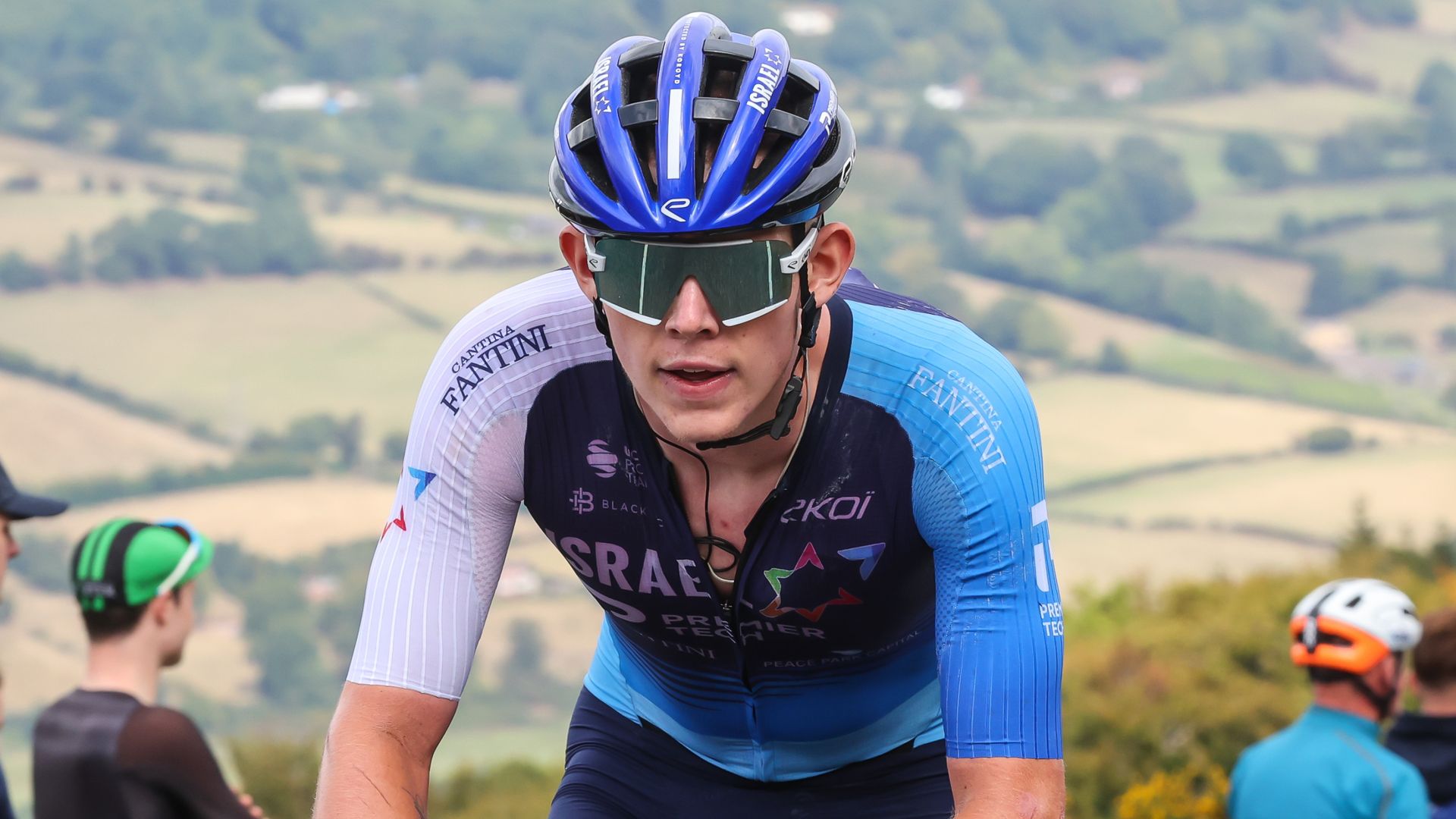
The cycling community mourned on Thursday following the tragic death of 19-year-old British competitor Finlay Tarling, who suffered fatal injuries in a crash during the eighth stage of the Volta a Portugal. The incident marked a devastating reminder of the inherent risks that professional cyclists face on racing circuits worldwide, casting a shadow over one of Europe's most prestigious stage races.
A Promising Career Cut Short
SponsorContarContabilità in cloudFatture, scadenze e conti della tua attività, senza pensieri.Scopri →Tarling represented the new generation of British cycling talent, competing at an elite level despite his young age. The teenager had earned his place among Europe's top amateur and professional cycling ranks, demonstrating the skill and dedication required to participate in the Volta a Portugal, a race that attracts competitors from across the continent. His participation in such a demanding multi-stage event underscored his potential and the trajectory of his emerging career in professional cycling.
The Volta a Portugal ranks among the Iberian peninsula's most challenging cycling competitions, drawing strong national teams and international competitors. The race's demanding route and competitive field make it a crucial proving ground for cyclists seeking to establish themselves at the professional level. For Tarling to secure a position in the race represented a significant achievement for the teenager and his team.
The Tragic Incident During Stage Eight
SponsorAiSharpDati potenziati dall'AIFeed e analisi intelligenti per il tuo prodotto.Scopri →The accident occurred during the eighth stage of the competition, when Tarling sustained injuries that ultimately proved fatal. The specific circumstances surrounding the crash were initially being investigated by race officials and local authorities. Stage racing through Portugal presents substantial physical demands, with varied terrain and weather conditions that can create challenging and unpredictable racing environments.
The immediate response from race organizers, medical personnel, and fellow competitors reflected the shock and sorrow that gripped the cycling world upon learning of the teenager's condition. Emergency services responded swiftly to assist following the incident, though the severity of injuries sustained proved beyond medical intervention.
Tributes and Support for the Cycling Family
The loss resonated deeply throughout the international cycling community, which rallied to support Tarling's family, teammates, and friends during an incredibly difficult period. Cyclists, teams, and governing bodies expressed their condolences, recognizing not only the tragedy of losing a young athlete but also acknowledging Tarling's contributions to the sport and his potential for future achievement.
The incident sparked renewed conversations within professional cycling regarding safety protocols, road conditions, and measures aimed at protecting riders during high-speed events. While accidents remain an inherent aspect of competitive cycling, the sport continuously evaluates whether additional safeguards can be implemented without diminishing the sporting challenge that defines road racing.
Reflection on Risk in Professional Sport
Tarling's death served as a sobering moment for the entire sporting world, prompting reflection on the dangers that athletes accept when pursuing professional careers in high-risk disciplines. Cycling, despite its popularity and prestige, requires participants to navigate unpredictable scenarios at significant speeds, often in challenging weather and terrain conditions. The sport's governing bodies, teams, and athletes continually work to balance competitive integrity with enhanced safety measures.
The Volta a Portugal and similar events represent pinnacle opportunities for ambitious young cyclists, yet they simultaneously embody the physical dangers inherent to professional road racing. Tarling's participation reflected his ambition and commitment to the sport, qualities that characterized his approach to cycling and defined his brief but notable career trajectory.
Looking Forward
The cycling community will continue to remember Finlay Tarling not merely through the circumstances of his death, but through recognition of his passion for cycling and the promise he demonstrated as an emerging talent in the sport. His loss underscores the importance of continued dialogue about athlete safety, appropriate protocols, and the balance between competitive ambition and personal security in professional athletics.
As the Volta a Portugal and the broader cycling world process this tragedy, the focus remains on supporting those closest to Tarling while honoring his memory and the dedication he brought to his profession. The incident will likely influence ongoing discussions regarding safety standards in European stage racing, ensuring that future generations of cyclists can pursue their athletic dreams with every reasonable precaution in place.