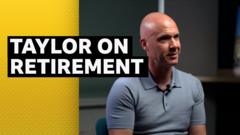
Prominent English referee Anthony Taylor has explained the reasoning behind his decision to withdraw from active officiating, citing multiple factors that prompted the career shift. Speaking with BBC sports editor Dan Roan, the veteran official addressed longstanding concerns that have shaped his choice to distance himself from the demands of refereeing at the highest level.
The Weight of Public Scrutiny
SponsorTgBridgeAutomazione TelegramBridge e automazioni per i tuoi canali e gruppi Telegram.Scopri →Taylor revealed that the intense scrutiny surrounding modern refereeing played a significant role in his decision. Officials operating at the top tier of professional football face unprecedented levels of public examination, with every decision dissected across social media, television analysis, and fan forums. The constant pressure of being judged by millions of spectators and critics has become an increasingly demanding aspect of the role. Taylor acknowledged that the modern media environment has fundamentally transformed what it means to referee professional matches, creating a climate where officials must contend with constant second-guessing and intense public debate following nearly every significant call.
The referee's comments highlight a broader challenge facing modern football administration. As the sport continues to evolve technologically and expand its global reach, the expectations placed upon officials have grown exponentially. Taylor's perspective suggests that the psychological toll of this heightened scrutiny extends beyond the ninety minutes on the pitch, affecting officials' lives off the field as well.
Disagreements Over Video Assistant Referee Implementation
SponsorContarContabilità in cloudFatture, scadenze e conti della tua attività, senza pensieri.Scopri →The introduction and ongoing development of VAR technology emerged as another key concern in Taylor's discussion with Roan. The Video Assistant Referee system, intended to increase accuracy in crucial decision-making moments, has instead generated considerable controversy about how it is implemented and deployed across matches. Taylor articulated frustrations regarding the way the technology has been integrated into the game, suggesting that current approaches may not fully address the problems they were designed to solve.
VAR's implementation across different leagues and competitions has proven inconsistent, creating confusion among players, officials, and supporters alike. Taylor's concerns reflect widespread debate within football about whether the technology genuinely improves the quality of refereeing or simply introduces new layers of complexity and frustration into the sport.
The Challenge of Punditry and Expert Commentary
Taylor also addressed the issue of former referees and experts offering commentary and analysis on officiating decisions. The proliferation of expert pundits who critique and dissect refereeing calls has created an environment where officials face constant judgment from those with specialized knowledge of the rules and decision-making processes. This expert commentary, while often insightful, can amplify pressure on serving officials who know their own decisions will be analyzed frame-by-frame by former colleagues. Taylor's comments suggest frustration with how this punditry ecosystem has evolved, potentially creating an adversarial relationship between current officials and those analyzing their performance.
Moving Forward
Taylor's decision to step away represents a significant moment for English football officiating. His departure marks the loss of an experienced official from the game's highest level, raising broader questions about sustainability within the refereeing profession. The combination of public pressure, technological challenges, and the analytical scrutiny of expert commentary has created an environment that even seasoned professionals find increasingly difficult to navigate.
The referee's willingness to speak openly about his reasons for leaving may serve as a wake-up call for football's governing bodies. If elite officials are choosing to withdraw because of cumulative pressures rather than declining physical capacity, the sport may need to reconsider how it supports those entrusted with maintaining order on the pitch. Looking ahead, football authorities will need to balance their commitment to technological advancement and accountability with measures to protect the mental wellbeing and career satisfaction of referees operating under intense scrutiny.