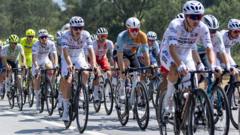
The professional cycling community has been struck by profound tragedy as NSN announced its withdrawal from the remainder of the Volta a Portugal, marking a solemn response to the death of British rider Finlay Tarling. The decision reflects the deep shock rippling through the sport following an incident that has left teammates, competitors, and fans grappling with an unexpected loss during one of Portugal's most prestigious cycling events.
A Team's Difficult Decision
SponsorSportsWire APIAPI notizie sportiveIntegra le notizie sportive nel tuo sito o app.Scopri →NSN's withdrawal from the remaining stages of the Volta a Portugal represents far more than a simple tactical decision to exit a race. The team's choice underscores the gravity of the circumstances and the emotional weight placed upon the squad in the wake of Tarling's passing. In professional cycling, where riders and support staff form tight-knit units that spend months traveling and competing together, such a loss reverberates through every aspect of team operations and morale.
The departure leaves vacant spots within the team's roster that had been carefully planned and prepared for one of the Iberian Peninsula's most challenging and historically significant stage races. Teams typically approach the Volta a Portugal with meticulous preparation, building their seasons around participation in such competitions, making the withdrawal a substantial disruption to NSN's competitive calendar and objectives.
The Volta a Portugal's Continuation
SponsorTgBridgeAutomazione TelegramBridge e automazioni per i tuoi canali e gruppi Telegram.Scopri →Despite the tragedy that has befallen one team, the Volta a Portugal has resumed its scheduled stages, representing the resilience of the event itself and the broader cycling community's commitment to honoring competition traditions. The race, which stands as one of the oldest and most respected stage races in European cycling, carries significant prestige within professional peloton circles and has long served as a crucial testing ground for riders preparing for major summer objectives.
The decision to continue the race after Tarling's death reflects the protocol and considerations that cycling authorities must balance when confronting tragedy during ongoing events. Race organizers, governing bodies, and participating teams must navigate the sensitive terrain between maintaining the integrity of competition and demonstrating appropriate respect for those affected by loss. The resumption of stages allows other competitors and remaining teams to continue their efforts while the cycling world processes the shock of an unexpected fatality.
Impact on the Professional Cycling Community
Tarling's death has sent shockwaves through the professional cycling environment, reminding athletes, teams, and administrators of the inherent risks associated with the sport, despite modern safety protocols and medical advancements. British cyclists and their supporters have been particularly affected, as Tarling represented the growing contingent of British talent competing at elite international levels in road cycling.
The incident has sparked conversations within the sport about safety measures, race procedures, and athlete support systems. Professional cycling organizations frequently examine their protocols following such tragedies, seeking ways to enhance protections and support mechanisms for riders competing at the highest levels. The cycling community's response to such losses often catalyzes important discussions about how races are conducted and how teams support their members both during and outside of competitive events.
Looking Forward
As the Volta a Portugal continues without NSN's participation, the cycling world faces the challenge of processing this loss while maintaining the competitive structure of professional racing. The withdrawal of an entire team represents a visible acknowledgment of the human cost sometimes associated with the sport, transcending the typical narratives of athletic achievement and competition.
The coming weeks and months will likely bring increased focus on how the sport addresses safety and support for its athletes. Teams, race organizers, and cycling authorities will undoubtedly engage in reflections about how similar tragedies might be prevented or how the sport can better support those affected by sudden loss. For NSN and its riders, the focus shifts from competitive objectives to recovery and healing as the organization processes this devastating chapter. The broader cycling community will continue watching the remainder of the Volta a Portugal, carrying forward the memory of Tarling while the sport navigates this difficult period.