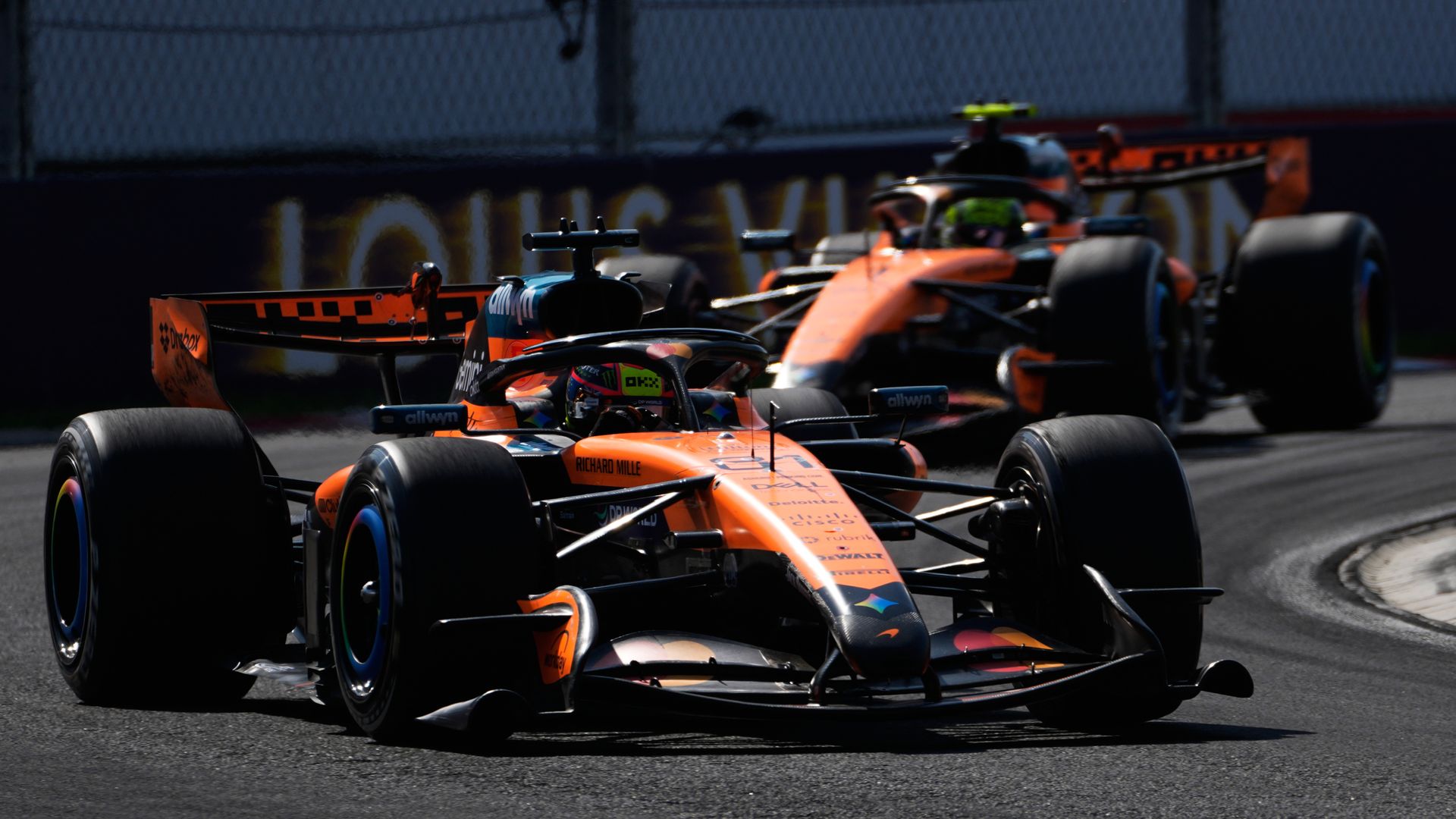
McLaren's leadership has sent a clear message to the sport's top contenders, signaling that once the team finds its rhythm in the 2026 campaign, maintaining competitive advantage could prove decisive in the championship battles ahead. Team principal Andrea Stella has voiced his conviction that the British manufacturer possesses the technical and strategic capability to sustain momentum when performance gains are achieved, effectively warning competitors not to underestimate the squad's capacity for consistency during crucial stages of the season.
The Confidence Behind the Message
SponsorContarContabilità in cloudFatture, scadenze e conti della tua attività, senza pensieri.Scopri →Stella's remarks reflect a strategic mindset increasingly prevalent among top Formula 1 teams: that championship success is less about isolated brilliant performances and more about the ability to compound advantages over extended periods. The McLaren boss believes his organization has developed the necessary systems and operational structure to capitalize on periods of strong form, translating temporary performance spikes into sustained competitiveness. This perspective suggests the team has learned from previous seasons, implementing improvements in areas ranging from strategic decision-making to technical development cycles.
The warning carries particular weight given McLaren's recent trajectory in the sport. The team has invested heavily in infrastructure, personnel, and technical expertise to position itself as a genuine title contender. Stella's confidence appears grounded in tangible operational improvements rather than mere optimism, indicating the organization believes it has addressed historical weaknesses that previously prevented it from sustaining strong performances throughout complete seasons.
Building Competitive Advantage
SponsorAiSharpDati potenziati dall'AIFeed e analisi intelligenti per il tuo prodotto.Scopri →The concept of momentum in Formula 1 extends beyond simple racing performance. It encompasses the psychological confidence gained by drivers and engineers, the refinement of car setup based on accumulated data, and the strategic flexibility teams develop when understanding their machinery's characteristics. McLaren's leadership appears convinced that their current infrastructure allows them to nurture these elements effectively once initial performance improvements materialize.
The team's approach suggests an emphasis on continuous development and iterative improvements rather than pursuing revolutionary changes. This philosophy can prove advantageous in championship campaigns, where consistency often determines final outcomes. Stella's warning implies that competitors should expect McLaren to be particularly formidable during periods when the Woking squad achieves competitive parity with rivals, as the team possesses both the resources and strategic acumen to extend advantages once established.
Rival Teams Taking Notice
Stella's statement inevitably focuses attention on potential weaknesses in competing organizations or conversely, recognition of McLaren's developing strength. In a sport where information dissemination occurs rapidly through paddock networks, such declarations from high-ranking team officials carry strategic significance beyond their literal meaning. The warning suggests McLaren anticipates achieving competitive moments during the 2026 season and intends to make maximum use of such opportunities.
Other title contenders will likely interpret these comments as confidence born from solid preparation and strategic planning. How rivals respond—whether through increased technical development focus, strategic adjustments, or simply heightened competitive intensity—could influence the championship battle's trajectory. The competitive dynamic between top teams often involves psychological elements as much as technical competition, and bold declarations from team leaders play a subtle but important role in this broader context.
Forward-Looking Ambitions
As McLaren prepares for the 2026 season, Stella's remarks position the team not as aspirants hoping for success, but as an organization expecting to challenge for titles. This perspective shift, if reflected across the entire team structure, can influence decision-making at crucial moments and contribute to the mental resilience necessary for championship campaigns.
The challenge for McLaren will be translating confidence into consistent results across all racing conditions and circumstances. The 2026 season presents a unique technical landscape with the introduction of new power unit regulations, creating opportunities for teams that navigate these changes effectively. Stella's conviction that his team possesses superior momentum-building capabilities suggests McLaren believes it can leverage these regulatory changes advantageously.
Looking ahead, the championship battle promises to be closely contested, with multiple teams possessing competitive machinery and capable personnel. However, Stella's warning underscores McLaren's belief that once they achieve competitive form, their organizational structure and strategic approach will enable them to maintain pressure on rivals. The season ahead will test whether this confidence proves justified or whether competitive rivals have developed comparable capacity for sustaining momentum through extended campaigns.