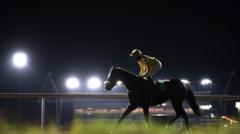
A significant celestial event is set to disrupt the sporting calendar across the United Kingdom this week, with organizers of various competitions forced to adjust schedules and procedures to accommodate the rare solar eclipse. The horse racing fixture at Ffos Las Racecourse in South Wales stands as a notable example of how the astronomical phenomenon is impacting the nation's sporting landscape.
Racing Halts for Celestial Spectacle
SponsorAiSharpDati potenziati dall'AIFeed e analisi intelligenti per il tuo prodotto.Scopri →The Ffos Las meeting represents just one of several equestrian venues and other sporting establishments that will experience operational challenges as the moon passes between the Earth and the sun. Race meetings typically depend on consistent natural and artificial lighting conditions, making any significant alteration to daylight levels a serious concern for officials. The loss of direct sunlight during totality or partial eclipse phases could affect visibility for jockeys, spectators, and racing officials alike, necessitating careful coordination to ensure both safety and fair competition.
Racecourse administrators must balance the legitimate interests of racing enthusiasts eager to observe the eclipse with their core responsibility to maintain competitive integrity. Decisions regarding whether to delay, advance, or proceed with scheduled races during peak eclipse hours require consultation with multiple stakeholders, including race stewards, broadcast partners, and venue security personnel.
Broader Sporting Impact Across Britain
SponsorSmartOddsAnalisi statistiche sportiveStatistiche, modelli e dati avanzati sullo sport.Scopri →The eclipse's reach extends well beyond horse racing venues. Multiple sporting disciplines across the United Kingdom face scheduling considerations and operational adjustments as organizers prepare for the astronomical event. Outdoor sports that depend heavily on natural lighting—including cricket, golf, and tennis—must evaluate whether the temporary darkness poses any complications for play or spectator experience.
Indoor venues, while less directly affected by reduced sunlight, nonetheless contend with potential attendance fluctuations. Many fans may prioritize viewing the eclipse over attending scheduled matches or competitions, potentially creating unusual crowd patterns and operational demands for venue staff. Event organizers have been assessing whether to encourage visitors to experience the phenomenon safely while maintaining their sporting commitments.
Safety and Crowd Management Considerations
Authorities across UK sporting venues are implementing additional safety protocols to manage spectators during the eclipse period. The concentration of thousands of sports fans attempting to view a celestial event simultaneously requires careful planning regarding crowd density, distribution, and access to protective eyewear. Venues must balance allowing supporters reasonable opportunity to observe the eclipse with maintaining safety standards for all attendees.
Stewards and security personnel face the added responsibility of managing spectators who may be distracted or congregating in unusual areas to gain optimal viewing positions. Clear communication regarding safe eclipse observation practices has become essential for protecting public welfare, alongside traditional security and safety operations.
Looking Ahead to the Event
The Wednesday eclipse represents an unusual intersection of natural phenomena and sporting culture, forcing organizers across the nation to demonstrate flexibility and innovative problem-solving. The experience gained from managing this event will likely inform how the sports industry responds to future astronomical events that coincide with scheduled competitions.
Sporting venues throughout Britain are demonstrating their ability to adapt operations without compromising the quality of events or spectator experience. Whether through schedule adjustments, enhanced crowd management, or simply clear communication about what to expect, the British sporting community is rising to the occasion.
As the eclipse draws closer, sports facilities continue finalizing their contingency plans. The Ffos Las meeting and other affected events will ultimately showcase how well Britain's sports infrastructure can absorb unexpected external factors. For enthusiasts across the country, this represents a rare opportunity to experience both sporting action and an extraordinary celestial display—provided venues successfully navigate the logistical challenges ahead. The coming days will reveal how effectively organizers have prepared for this unique convergence of athletic competition and astronomical wonder.