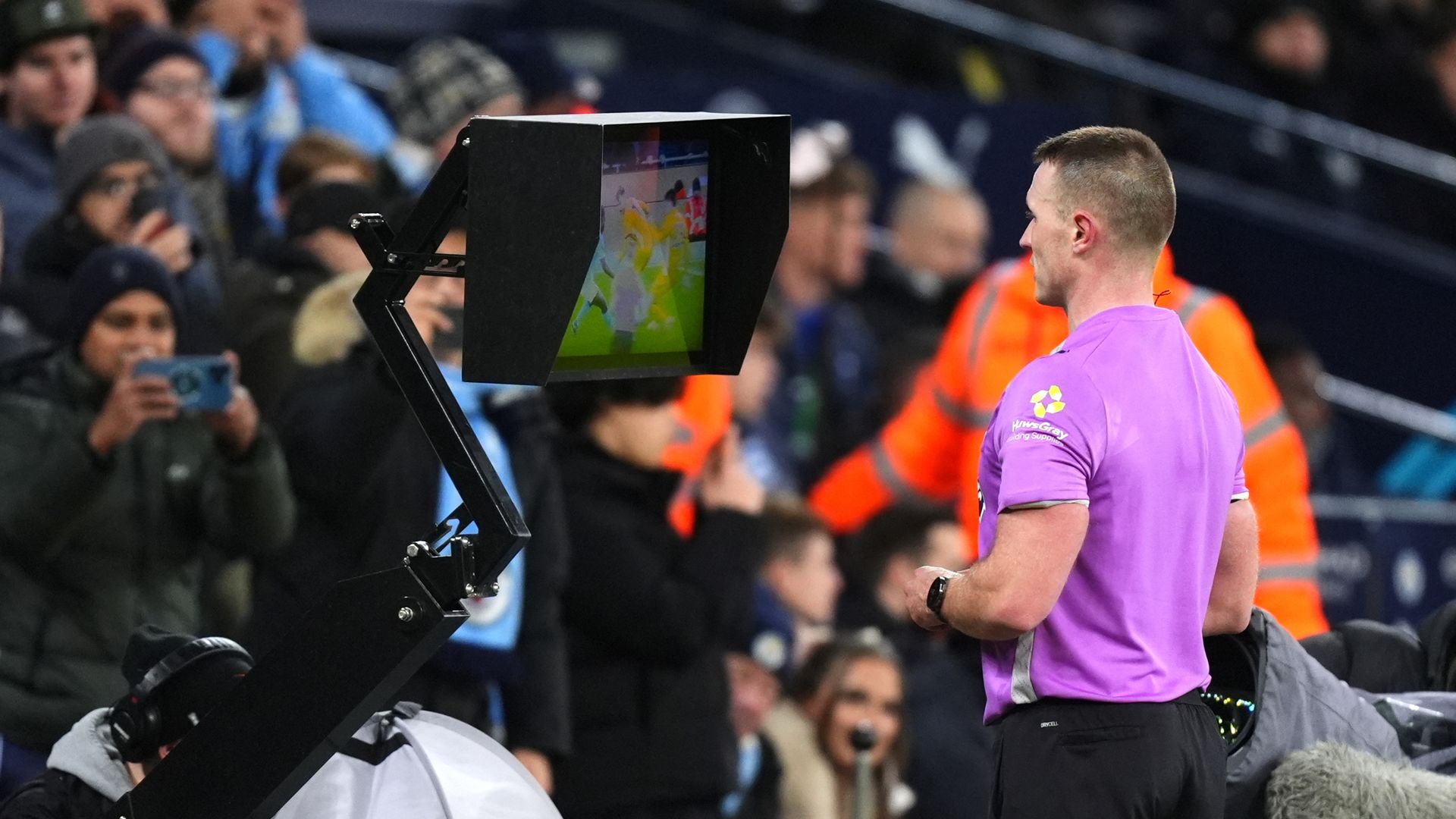
The Premier League has signaled a significant shift in its video assistant referee strategy, with match officials adopting a more restrained interpretation of their responsibilities moving forward. The new direction represents a notable departure from previous seasons, when VAR interventions had become increasingly contentious among fans, managers, and players alike.
A Fresh Philosophical Direction
SponsorAiSharpDati potenziati dall'AIFeed e analisi intelligenti per il tuo prodotto.Scopri →Premier League officials are preparing to embrace what has been described as a "light-touch" approach to VAR operations, fundamentally changing how they assess incidents during matches. This strategic recalibration reflects growing recognition that the technology, introduced with high hopes for greater accuracy and fairness, had arguably overstepped its intended purpose. Rather than scrutinizing every marginal decision, match officials will now focus on clear and obvious errors—the original mandate that guided the system's introduction across European football's top division.
The shift acknowledges the mounting frustration that has built among supporters and management in recent campaigns. Controversial decisions involving tight offside calls, subjective interpretations of contact in penalty areas, and lengthy delays while officials reviewed straightforward play had eroded confidence in the system. By recalibrating toward restraint, league organizers hope to restore balance between technological assistance and the human judgment that has long defined football officiating.
Webb's Leadership Role
SponsorSmartOddsAnalisi statistiche sportiveStatistiche, modelli e dati avanzati sullo sport.Scopri →Andre Webb, in his capacity overseeing match officiating standards, has taken the lead in articulating this new framework to referees across the competition. His emphasis on measured intervention rather than exhaustive review signals a deliberate attempt to empower on-field officials while reserving VAR for genuinely problematic situations. This represents a philosophical shift that prioritizes the flow and integrity of matches over the pursuit of absolute precision in every borderline scenario.
Webb's guidance effectively acknowledges that football's traditional charm partly derives from the human element involved in decision-making. While technology should absolutely correct blatant mistakes—overturned goals from clear offside positions, missed red card offenses, or miscalculated penalty decisions—the constant interrogation of minimal margins had begun working against the sport rather than for it. His approach attempts to restore this equilibrium.
Implementation and Expectations
The practical implications of this new direction will likely become apparent as matches unfold across the coming weeks. Referees will exercise greater discretion in deciding whether an incident warrants VAR review, with the threshold for intervention intentionally raised. Marginally offside goals may now stand if the advantage gained was negligible, and minor contact in the penalty area would no longer automatically trigger lengthy deliberations and reversal of on-field decisions.
This approach mirrors recent adjustments made by other major European leagues that have similarly grappled with VAR-related controversies. While the technology remains available as a safety net for undeniable errors, officials are encouraged to trust their initial assessments and resist the temptation to manufacture uncertainty through excessive review. The expectation is that matches will progress more fluidly while maintaining integrity where it genuinely matters most.
Broader Context and Reception
The adjustment arrives amid sustained debate about VAR's role in modern football. Supporters have long expressed frustration with stoppages for offside reviews measured in centimeters, particularly when such margins seemingly irrelevant to the spirit of competition. Managers have complained about inconsistent application, and prominent players have vocally questioned whether the technology enhances or diminishes the spectacle.
By adopting this lighter-touch philosophy, the Premier League is making a calculated judgment that fan satisfaction and match quality benefit from occasional minor errors over constant disruption and marginal rulings. This represents a maturation of how the sport approaches technological integration—recognizing that perfect accuracy across every decision is neither achievable nor necessarily desirable when weighed against other considerations.
Looking Forward
The success of this recalibrated approach will likely determine VAR's trajectory in English football over coming seasons. Should matches improve in flow and quality while serious errors remain caught and corrected, the model could set a template for other competitions worldwide. Conversely, if high-profile mistakes escape detection due to excessive restraint, pressure for stricter intervention will resurface inevitably.
For now, officials and clubs alike are preparing for this new era of measured VAR application. The coming months will reveal whether this deliberate deprioritization of marginal calls successfully restores balance to the Premier League's oversight of the sport.