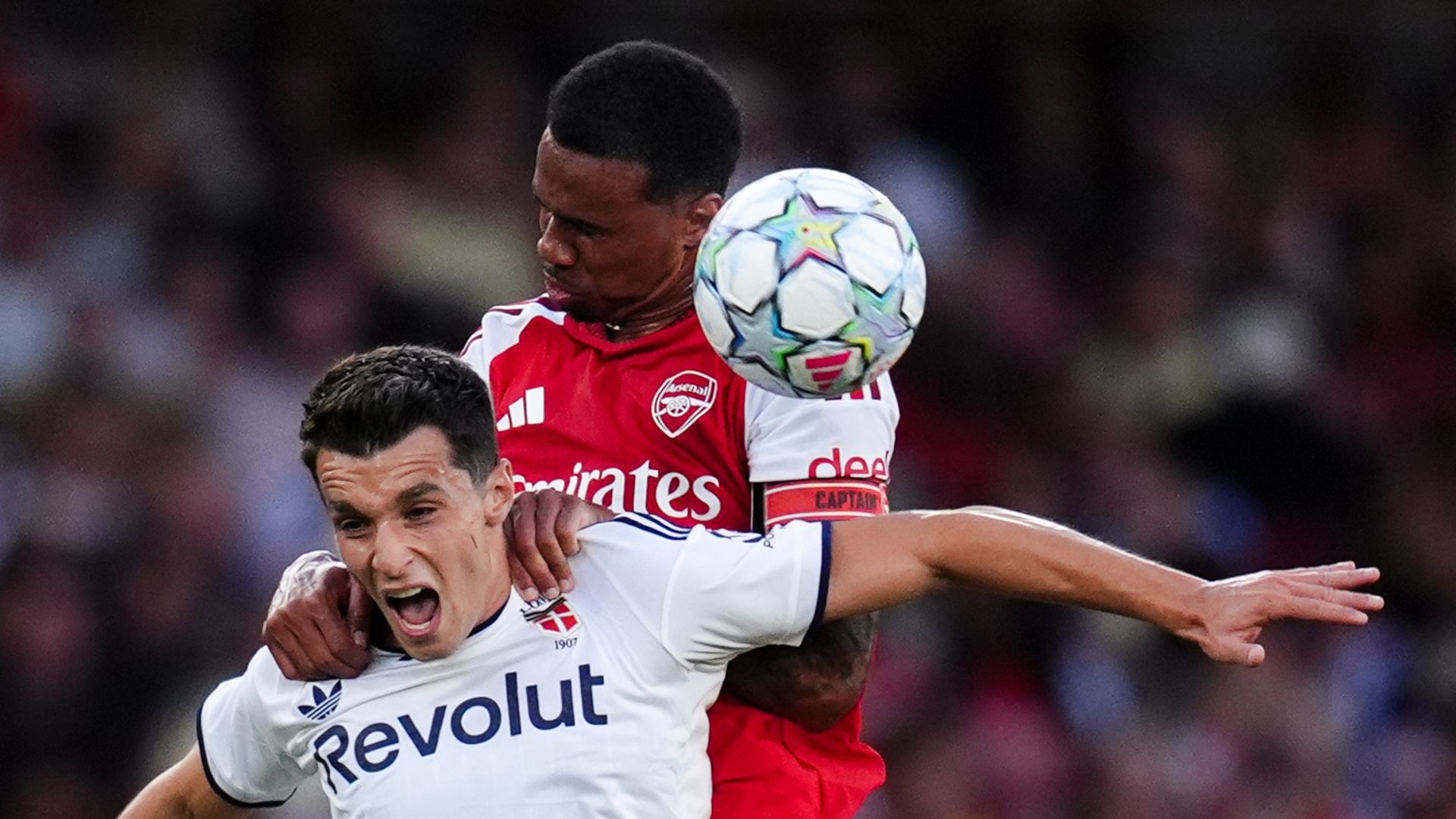
English football's premier division enters its traditional preparation phase as clubs across the country conduct their pre-season campaigns ahead of the competitive season proper. Teams are using these months of friendly matches and organized training sessions to build form, test new tactical approaches, and assess squad depth before their opening league fixtures arrive.
The pre-season period represents a critical window for every Premier League organization. Managers utilize these warm-up competitions to evaluate personnel, integrate new signings into their systems, and develop the cohesion necessary for success when the competitive stakes commence. For clubs that have undergone significant squad changes during the summer transfer market, these friendly encounters provide invaluable opportunities to establish understanding among players and refine their approach to the season ahead.
SponsorSportsWire APIAPI notizie sportiveIntegra le notizie sportive nel tuo sito o app.Scopri →Building Blocks for the Campaign
Pre-season fixtures serve multiple purposes beyond simple preparation. They allow coaching staff to monitor player fitness levels, manage workload distribution for athletes returning from international competitions or recovery programs, and identify tactical solutions to problems encountered in previous seasons. Clubs often travel to various locations across the globe during this period, combining tourism and marketing activities with intensive training camps designed to maximize physical conditioning and tactical development.
The nature of pre-season opponents varies considerably. Some Premier League sides face lower-division teams in regional matches, while others arrange encounters with continental or international opposition. These varied challenges help teams prepare for different styles of play and challenge levels they might encounter throughout the season. High-profile friendlies against other major clubs generate significant interest and provide stern tests for defensive solidity and attacking precision.
SponsorTgBridgeAutomazione TelegramBridge e automazioni per i tuoi canali e gruppi Telegram.Scopri →Squad Rotation and Injury Management
Careful rotation of personnel represents a cornerstone of modern pre-season strategy. Managers balance the need to provide competitive minutes for those pushing for starting positions against the importance of managing potential injury risks and preventing fatigue accumulation. Younger players and those seeking to revive their careers gain crucial opportunities to impress decision-makers, while established performers return gradually to match fitness after summer breaks.
Injury management during this phase cannot be overstated. Clubs work diligently to ensure players complete their preparation unscathed, as serious injuries sustained in friendly matches can derail season plans before competitive play begins. Medical and conditioning staff monitor every aspect of player welfare, adjusting training intensity and match involvement based on individual circumstances and recovery protocols.
New Signings and Squad Evolution
Summer transfers bring fresh faces to numerous Premier League clubs each year. Pre-season represents the platform where these newcomers integrate into their adopted teams' systems and establish relationships with teammates. How quickly these players adapt, how effectively they comprehend their manager's tactical instructions, and whether they demonstrate the quality that justified their recruitment often becomes apparent during these fixture congestion periods.
Established players also face informal auditions for their place in the manager's plans. Competition for positions intensifies considerably when new arrivals enter the squad, and pre-season friendlies provide the stage for players to showcase their current form and readiness for the coming challenges. Results and performances across these matches help shape early-season team selections and strategic decisions.
Tactical Experimentation and System Development
Managers frequently use pre-season as a laboratory for tactical innovation. Teams might trial new formations, test different pressing triggers, or experiment with positional adjustments designed to optimize performance. Without the pressure of league points at stake, coaches enjoy greater freedom to implement changes and assess their effectiveness before competitive consequences arrive.
This experimentation period benefits both established organizations seeking marginal improvements and clubs undergoing significant structural changes. Pre-season matches provide low-risk opportunities to evaluate whether tactical concepts work in practice or require refinement. Some approaches ultimately prove unworkable and are abandoned, while others gain refinement and eventually become central to a team's identity throughout the season.
Looking Ahead
As Premier League clubs conclude their pre-season activities and approach their opening fixtures, the data gathered during these warm-up encounters provides crucial information for managers, analysts, and supporters seeking to understand how each team might perform when the competition begins. Results matter less than the development achieved and the lessons learned, though strong performances certainly build momentum and confidence heading into the campaign. The coming weeks will reveal whether clubs have prepared adequately and whether their preparations translate into competitive success on the pitch.