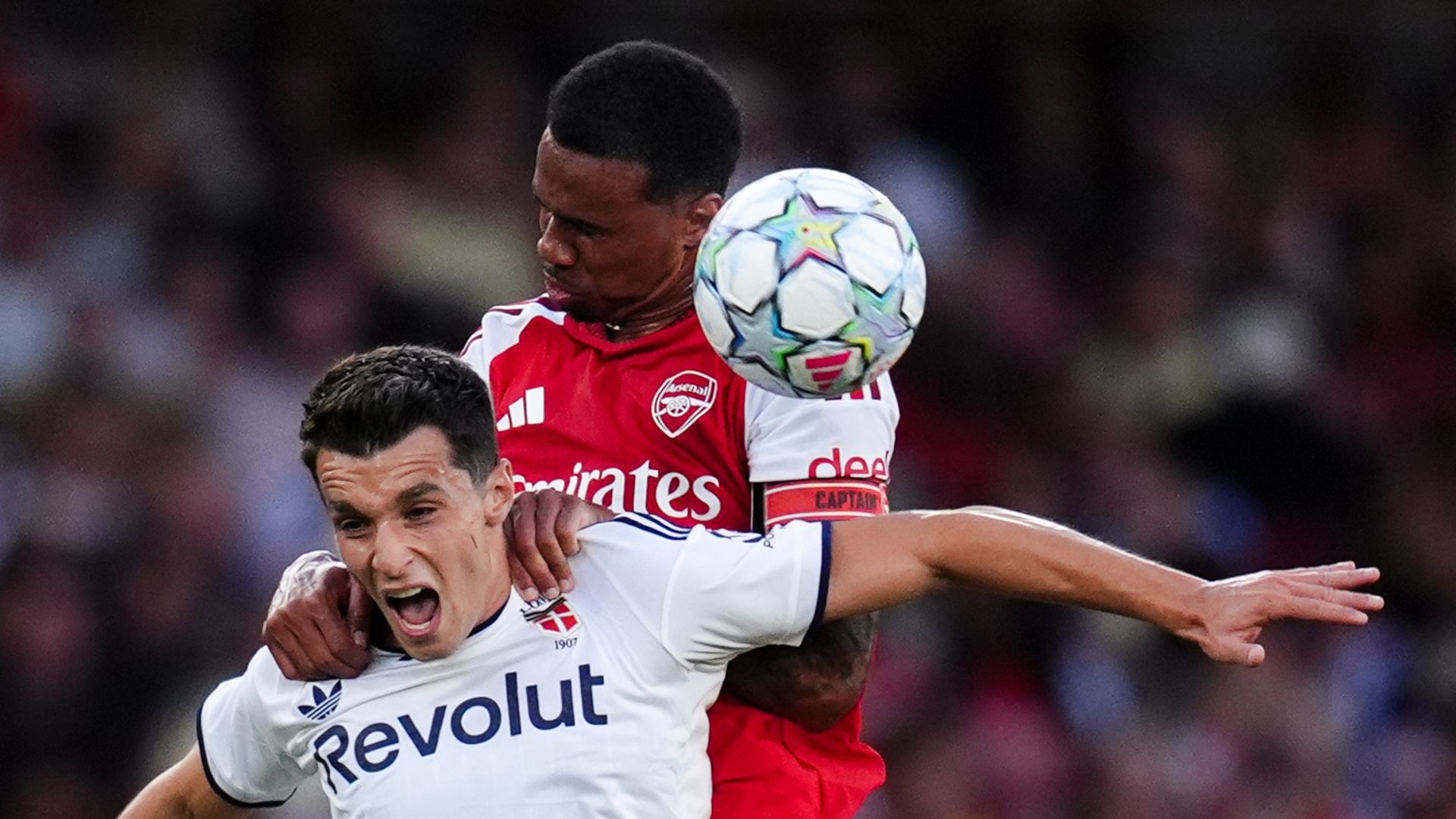
As the summer transfer window continues to generate headlines across Europe's top leagues, Premier League clubs are shifting their focus toward competitive readiness. Pre-season activity is now in full swing across English football's elite division, with teams conducting a series of warm-up matches designed to build fitness, establish tactical patterns, and assess squad depth before the competitive campaign officially begins. These fixtures serve as crucial barometers for how effectively clubs have addressed their summer business and whether new signings can integrate smoothly into existing systems.
The Importance of Pre-Season Conditioning
SponsorContarContabilità in cloudFatture, scadenze e conti della tua attività, senza pensieri.Scopri →Pre-season football represents far more than exhibition play for the cameras. For Premier League sides, this period encompasses intensive physical preparation after the extended summer break, allowing coaching staff to implement tactical adjustments and evaluate player form following their respective international commitments or holidays. Fitness levels built during this phase prove instrumental in the opening weeks of the domestic season, particularly given the demanding schedule that awaits when competitive football resumes. Teams that emerge from pre-season with strong conditioning records typically demonstrate greater resilience through the initial fixtures of the campaign.
The fixture schedule during this preparation period varies significantly across different clubs, depending on logistics, kit sponsorship obligations, and the specific arrangements made by individual squads. Some Premier League sides undertake overseas tours to expand their commercial reach while testing themselves against international opposition, while others prefer domestic preparations with traditional friendly matches against lower-league opponents or fellow top-flight teams. Each approach carries distinct advantages, with overseas tours providing experience in different climates and playing conditions, whereas domestic arrangements allow for more controlled environments closer to home.
Squad Integration and Tactical Development
SponsorAiSharpDati potenziati dall'AIFeed e analisi intelligenti per il tuo prodotto.Scopri →The arrival of new players across Premier League clubs has been substantial this summer, creating additional pressure on coaching staffs to integrate unfamiliar talent into established systems quickly and effectively. Pre-season offers the ideal opportunity for new signings to build understanding with teammates, learn positional responsibilities, and adapt to the tactical philosophy their new managers demand. The performance of these players during friendly matches provides supporters and analysts with initial indicators of how successfully such integration is progressing.
Tactical experimentation also features prominently during this period. Managers utilize pre-season to test different formations, evaluate player combinations in novel positions, and refine defensive structures before stakes become genuine. Some teams employ a structured approach with minimal formation changes, seeking rhythm and consistency, while others adopt a more experimental mindset, utilizing friendlies as genuine laboratories for tactical innovation. Such decisions often reflect managerial philosophy and the specific challenges anticipated in the season ahead.
Assessing Injury Status and Squad Depth
Injury management represents another critical dimension of pre-season football for Premier League clubs. The extended break from competitive action inevitably triggers minor injuries and fitness concerns that require careful monitoring before the season commences. Managers must balance the need to expose players to realistic match conditions with the imperative to protect key personnel from overexertion that might trigger long-term damage. The results and performances witnessed during pre-season friendlies frequently provide valuable information about which players are genuinely available for selection when the campaign begins.
Squad depth is similarly tested during this period. Pre-season creates opportunities for academy players and fringe squad members to demonstrate their capabilities against meaningful opposition, potentially forcing their way into managers' long-term plans. For some players, strong pre-season performances lead to enhanced opportunities, contract improvements, or successful loan moves, while for others, poor showings can diminish their standing within the squad hierarchy.
Outlook for the Campaign Ahead
As pre-season fixtures continue throughout the summer, supporters will gain progressively clearer pictures of how their respective clubs are shaping up for the challenges awaiting them. The combination of transfer business, tactical preparation, physical conditioning, and player integration becomes increasingly evident through these warm-up matches. Teams emerging from pre-season with solid records, injury-free key players, and visibly improved new signings typically carry greater confidence into opening-day fixtures. Conversely, clubs struggling with injury concerns or poor results may enter the campaign facing questions about their summer preparations and immediate readiness for the rigorous Premier League schedule.