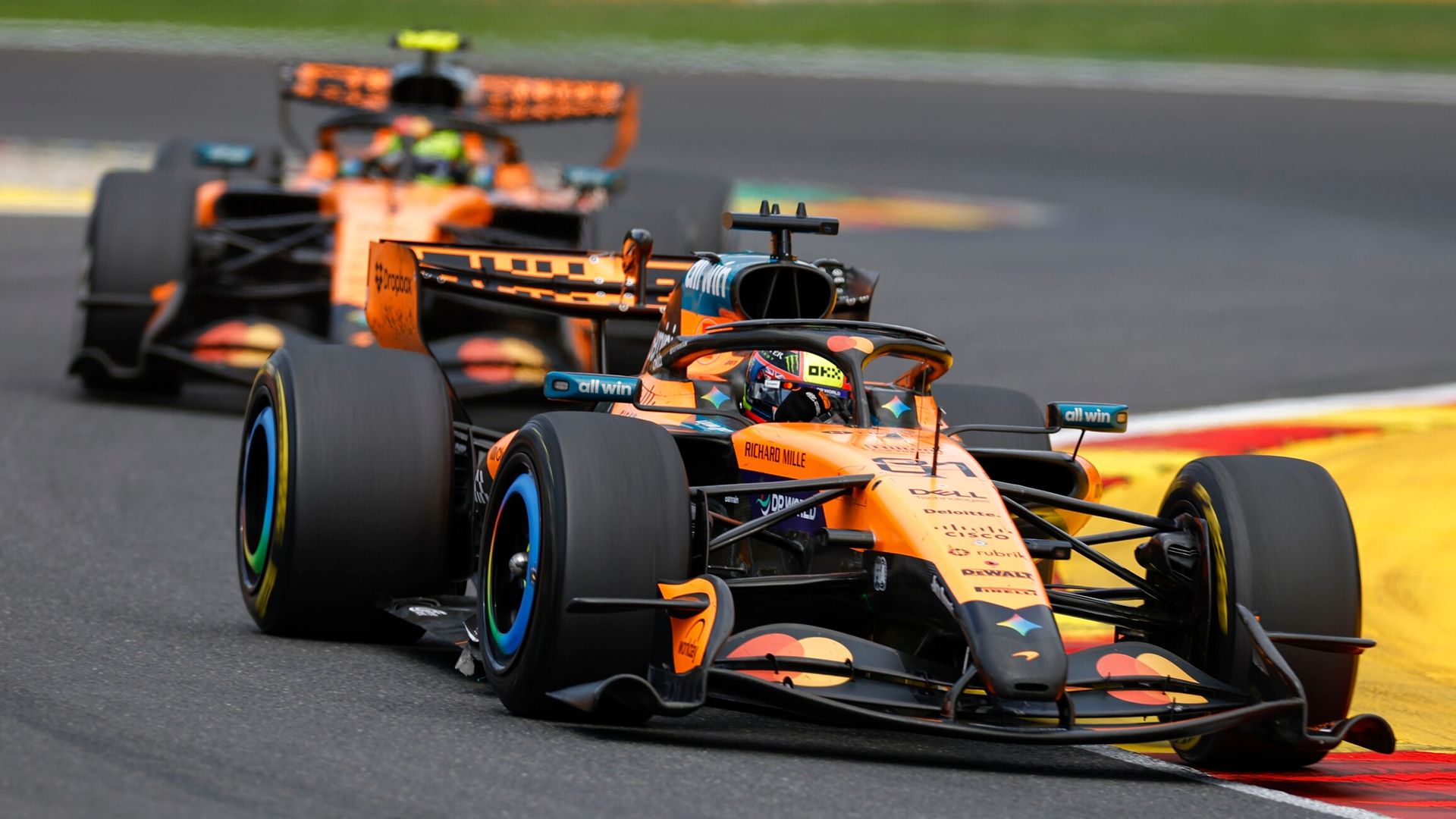
McLaren's strategic decisions at the Hungarian Grand Prix came under scrutiny following the race, with Oscar Piastri expressing frustration over radio communications during the event. Team principal Andrea Stella subsequently moved to defend the tactical choices that ultimately favored Lando Norris in the final classification, as the British driver secured a stronger finishing position than his Australian teammate.
The Race Unfolded With Contrasting Outcomes
SponsorSmartOddsAnalisi statistiche sportiveStatistiche, modelli e dati avanzati sullo sport.Scopri →The Hungarian Grand Prix proved to be a challenging affair for McLaren, despite the team's competitive machinery. While Norris capitalized on the strategy employed by the squad, Piastri found himself disadvantaged by the tactical approach taken during the race. The frustration evident in the Australian driver's radio communications during the event reflected his disappointment at how circumstances developed on the Hungaroring circuit. This tension between the two drivers highlighted the delicate balancing act teams must navigate when managing multiple competitive entries.
Stella's post-race defense of the team's strategy calls indicated that McLaren believed their decisions were made with sound reasoning, even if the outcomes favored one driver over the other. The pit wall's judgment calls, made in real-time amid the pressures of competing at one of Formula 1's most demanding circuits, became the focal point of discussion as team and driver perspectives diverged.
Strategic Decisions Under Pressure
SponsorSportsWire APIAPI notizie sportiveIntegra le notizie sportive nel tuo sito o app.Scopri →Formula 1 strategy has become increasingly complex, with pit crews and engineers forced to make split-second decisions based on track conditions, tire performance, and competitor positioning. During the Hungarian Grand Prix, McLaren faced multiple variables that demanded careful consideration and tactical precision. The choices made by the team—whether regarding pit stop timing, tire compound selection, or track position management—ultimately resulted in a scenario where Piastri felt disadvantaged relative to his teammate.
Stella's role as team principal required him to explain the rationale behind these decisions. The defense of the strategy calls suggested that McLaren's decision-makers believed they had acted appropriately given the information and circumstances available to them at the moment. Understanding the reasoning behind such calls is crucial for maintaining harmony within a competitive team environment, particularly when outcomes are perceived as inequitable by one of the drivers.
Managing Dual Driver Interests
One of the most complex aspects of modern Formula 1 team management involves balancing the competitive aspirations of two drivers while maintaining overall team performance and objectives. McLaren, as a leading constructor, must navigate the inherent tension between supporting both Piastri and Norris while pursuing constructors' championship points. This balancing act becomes particularly challenging when strategic decisions at a single race appear to benefit one driver more than the other.
Piastri's initial criticism, expressed through his radio communications, underscored the emotional intensity that comes with competing at the highest level of motorsport. Drivers invest enormous effort and commitment into each race weekend, and when they feel strategic decisions have worked against them, their frustration is often immediate and vocal. However, such moments also provide opportunities for teams to communicate their decision-making process and help drivers understand the broader context behind specific choices.
The Importance of Post-Race Communication
Following a contentious race weekend, effective communication between team leadership and drivers becomes essential for maintaining morale and team cohesion. Stella's defense of the strategy calls represented an opportunity to provide context and explanation for the decisions that had drawn criticism. Whether through internal debriefings or public statements, addressing driver concerns demonstrates organizational maturity and fosters understanding even when outcomes prove disappointing for one party.
The aftermath of the Hungarian Grand Prix illustrated how Formula 1 teams manage disagreements constructively. Rather than dismissing Piastri's concerns, McLaren's approach involved justifying the strategic choices through reasoned explanation. This transparent communication style helps rebuild trust and ensures all team members understand the thought processes behind pivotal decisions.
Looking Forward
As the Formula 1 season progresses, McLaren faces the ongoing challenge of optimizing strategy for both drivers while maintaining competitive advantage. The Hungarian Grand Prix experience serves as a reminder that not every race will yield equally favorable outcomes for both team drivers, and managing expectations and communications becomes paramount. The team's ability to learn from such situations, refine their strategic approach, and maintain driver confidence will prove crucial as they continue their championship campaign. Stella's willingness to defend the team's choices while remaining open to input from his drivers suggests McLaren is committed to fostering a collaborative environment despite the inevitable pressures and disagreements that arise in elite motorsport competition.