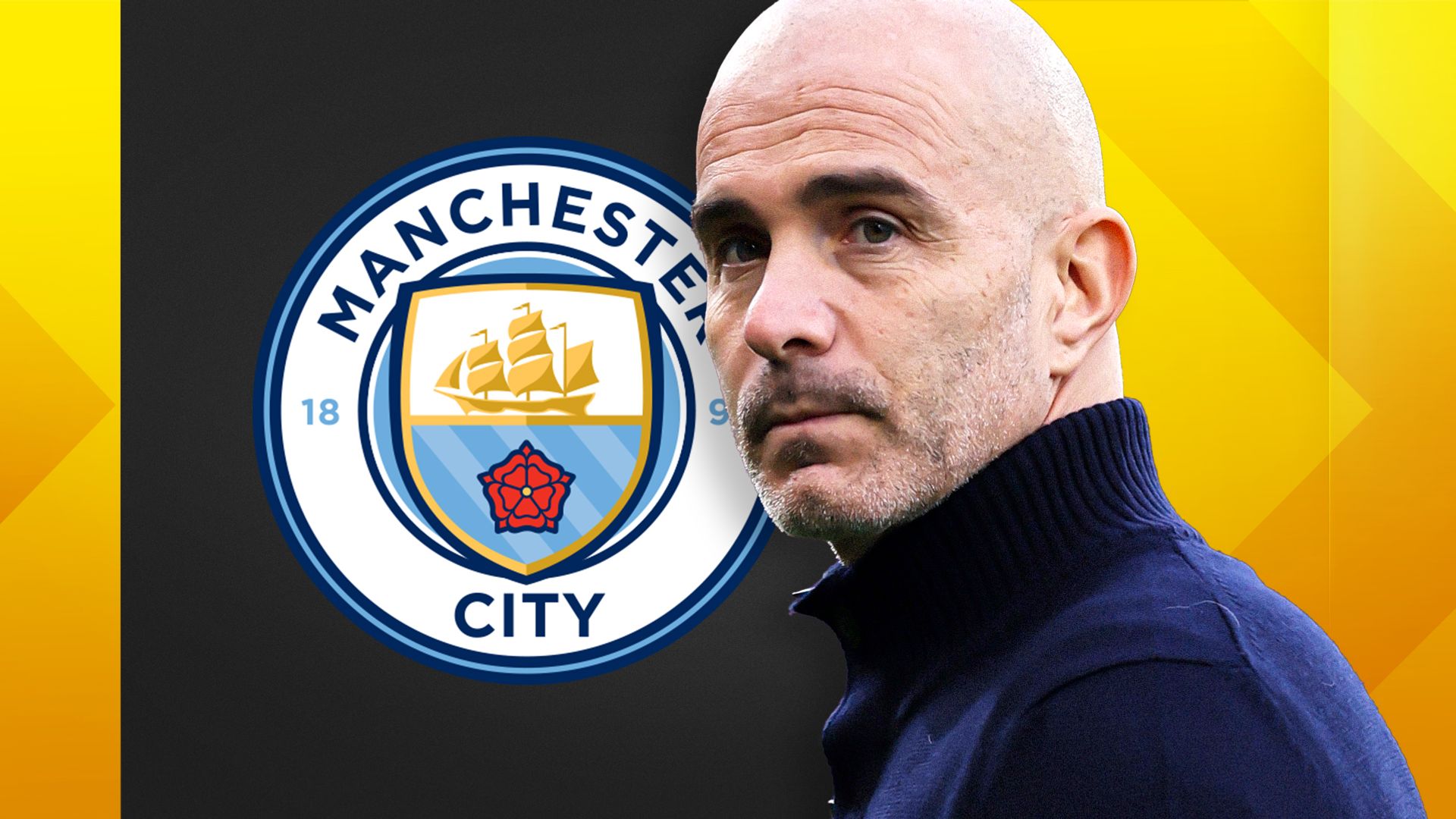
Manchester City finds itself at the center of an intriguing discussion regarding team captaincy and player responsibilities, with manager Enzo Maresca offering a distinctive viewpoint on why Erling Haaland may not be the ideal candidate for the armband. The debate touches on broader questions about what qualities define effective leadership within a modern football club, extending beyond traditional measures of skill and experience.
The Leadership Debate at the Etihad
SponsorSportsWire APIAPI notizie sportiveIntegra le notizie sportive nel tuo sito o app.Scopri →The question of who should serve as captain represents far more than a symbolic gesture at a club of Manchester City's stature. With the club's continued pursuit of domestic and European silverware, the decision carries significant implications for squad dynamics and on-pitch organization. Maresca's assessment of Haaland's suitability for the role provides insight into how contemporary football management evaluates captaincy beyond conventional criteria such as tenure or goal-scoring prowess.
The Norwegian striker remains one of world football's most prolific finishers, yet his role within the team extends beyond his individual brilliance. Maresca's reasoning suggests that the manager views captaincy through a multifaceted lens, considering factors that may not always be immediately apparent to outside observers.
Understanding the Manager's Rationale
SponsorTgBridgeAutomazione TelegramBridge e automazioni per i tuoi canali e gruppi Telegram.Scopri →Maresca's position reflects a thoughtful approach to identifying leadership qualities necessary for maintaining cohesion within a squad of international superstars. The rationale behind his assessment likely encompasses considerations about communication styles, tactical versatility, and the capacity to maintain consistency across all phases of play. In modern elite football, captaincy demands more than exceptional individual ability; it requires a player capable of serving as the manager's conduit to the entire team.
A captain's role extends to orchestrating play, managing pressure situations, and embodying the club's values regardless of personal circumstances or performance fluctuations. Maresca's evaluation suggests he believes these specific attributes may be better developed or exhibited by other squad members, even those who might not possess Haaland's singular attacking prowess.
Balancing Individual Excellence with Team Responsibility
The distinction between being an outstanding performer and an optimal captain has become increasingly recognized in contemporary football analysis. Haaland's primary value to Manchester City remains his finishing ability and movement in attacking areas, qualities that have justified the substantial investment required to secure his services from Borussia Dortmund.
However, Maresca's perspective acknowledges that concentrating on captaincy duties might potentially divert focus from the striker's core responsibilities in leading the club's attacking play. This pragmatic approach ensures that players operate primarily in capacities where they can deliver maximum impact. By reserving the captaincy for a player whose positional demands allow greater scope for leadership duties, Maresca ensures neither the attacking performance nor the captaincy responsibilities suffer compromise.
The Broader Team Context
Manchester City's midfield and defensive lineup provides considerable depth of experienced, internationally recognized players capable of assuming leadership roles. The club's structure, built around multiple layers of tactical responsibility and player expertise, offers flexibility in determining who best suits the captain's position.
Maresca's reasoning likely reflects consideration of players whose positional demands—particularly central defenders or midfielders—naturally position them for broader team awareness and communication responsibilities. These positions often provide superior sightlines across the pitch and greater opportunity to influence play across all phases, distinguishing them from pure attacking specialists.
Looking Forward
The captaincy question at Manchester City illustrates the nuanced decision-making required of modern managers when structuring squad responsibilities. Maresca's distinctive perspective on Haaland's role demonstrates that effective football management involves understanding each player's optimal contribution within a collective framework.
As Manchester City continues competing across multiple competitions, the clarity provided by such assessments helps establish expectations and team roles. Haaland's continued importance to the club's attacking ambitions remains unquestioned, while Maresca's reasoning acknowledges that exceptional talent operates most effectively when channeled into purposes matching individual strengths and positional characteristics. This balanced approach to player management ultimately serves the club's broader objectives more effectively than inflexible approaches to tradition or status.