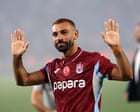
Turkey's Super Lig has undergone a remarkable transformation in recent seasons, attracting an influx of elite European talent that has sparked widespread debate about whether the league represents a shrewd investment destination or simply another stop on the pathway to professional decline. The arrival of Mohamed Salah crystallized this shift, signaling that Turkish clubs possess both the financial resources and ambition to compete for players at the absolute pinnacle of world football.
A League Transformed by Spending Power
SponsorTgBridgeAutomazione TelegramBridge e automazioni per i tuoi canali e gruppi Telegram.Scopri →The Turkish Super Lig has captured global attention through an unprecedented spending spree, bringing together a collection of players who were recently considered essential components of Europe's most competitive teams. Alongside Salah, the league now hosts Romelu Lukaku, Leandro Trossard, Leroy Sané, and Nathan Aké, demonstrating that Turkish clubs can attract talent across multiple positions and playing styles. Mason Greenwood, N'Golo Kanté, and Dusan Vlahovic represent additional marquee signings, each carrying significant pedigree from their previous careers at elite European institutions.
This concentration of quality represents a dramatic shift in the league's global standing. Where Turkish football was once dismissed as a secondary destination, clubs now operate with financial clout sufficient to compete with established European powerhouses in the transfer market. The visibility generated by these signings has transformed the Super Lig's international profile considerably.
The Question of Career Trajectories
SponsorContarContabilità in cloudFatture, scadenze e conti della tua attività, senza pensieri.Scopri →The critical question surrounding this influx concerns whether these players represent calculated career moves or represent the beginning of a decline phase. Observers increasingly wonder whether the Turkish Super Lig functions as a final chapter for aging stars or as a legitimate competitive option for players still in their prime. The caliber of names involved complicates easy categorization—several arrivals were relatively recent departures from elite competition, suggesting their moves reflect strategic positioning rather than terminal decline.
Additional names circulating in transfer speculation include Bruno Fernandes and Gabriel Martinelli, whose potential moves would further elevate the league's standing. Such additions would underscore whether the pattern represents coincidental timing or systematic recruitment of Europe's most coveted talents. The potential trajectory of these negotiations will prove particularly revealing about the league's true positioning within global football's hierarchy.
Financial Sustainability and Strategic Intent
The underlying mechanism enabling these acquisitions warrants examination. Turkish clubs have mobilized substantial capital, yet questions persist regarding the long-term viability and strategic rationale behind such expenditure. Do these investments reflect calculated attempts to establish sustainable competitive advantages, or do they represent speculative ventures destined to resemble previous cycles where leagues pursued unsustainable spending patterns?
Historically, secondary leagues have attempted to elevate their status through aggressive recruitment, with mixed results. The difference in Turkey's case involves the simultaneous acquisition of multiple players possessing recent experience at football's highest levels. This concentration suggests either a genuine shift in global football economics or a temporary phenomenon driven by particular financial circumstances rather than structural advantages.
The Broader European Context
The emergence of Turkey as a destination for elite talent reflects evolving European transfer dynamics. As regulations tighten around spending capacity in established leagues and elite clubs face financial constraints, alternative markets assume greater significance. Turkish football's relative openness to foreign investment, combined with competitive local structures, creates conditions favorable to ambitious recruitment strategies.
The test will emerge through observable performance metrics: whether players maintain their previous standard of performance, whether the influx generates sustainable sporting success, and whether clubs can maintain financial stability across competitive seasons. Previous instances of leagues pursuing aggressive spending sprees without establishing self-sustaining competitive frameworks provide cautionary precedents.
Looking Forward
The coming seasons will provide definitive answers regarding Turkey's positioning within global football's pecking order. Should the league successfully integrate these arrivals into a cohesive competitive structure and achieve sustained European success, the narrative will emphasize shrewd strategic positioning. Conversely, if the Super Lig becomes primarily characterized as a destination for declining careers and unsustainable spending, it will merely represent another chapter in football's recurring cycle of speculative investment.
The outcomes affecting potentially relocating players like Fernandes and Martinelli will prove particularly illuminating, effectively serving as indicators of whether elite talent views Turkish football as a genuine competitive opportunity or an alternative destination when European options diminish.