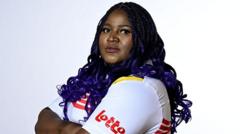
A prominent powerlifter has come forward with serious allegations regarding her personal safety at competitions, claiming she faces a hostile environment due to racial discrimination. The athlete, who was disqualified following an incident involving alleged racist behavior, has expressed deep concerns about the atmosphere surrounding her participation in the sport. Her comments highlight broader issues within the powerlifting community regarding the treatment of Black athletes and the need for stronger safeguarding measures at major events.
Disqualification Sparks Broader Conversation
SponsorSportsWire APIAPI notizie sportiveIntegra le notizie sportive nel tuo sito o app.Scopri →The powerlifter's removal from competition has triggered an important discussion about conduct standards and accountability in the sport. Rather than viewing the incident in isolation, the athlete has used the platform to address systemic issues she believes extend far beyond her individual case. Her willingness to speak publicly about the circumstances surrounding her disqualification has drawn attention to the need for clearer protocols and enforcement mechanisms when discriminatory behavior occurs at sanctioned events.
The incident appears to have been significant enough to warrant formal action, though the specific nature of the alleged racist act has been subject to various interpretations within the community. What the athlete is emphasizing, however, is that isolated incidents do not fully capture the challenging environment that Black competitors navigate when participating in powerlifting at the highest levels.
An Unwelcoming Competitive Environment
SponsorTgBridgeAutomazione TelegramBridge e automazioni per i tuoi canali e gruppi Telegram.Scopri →Beyond the specific incident of her disqualification, the powerlifter has raised concerns about the general atmosphere Black athletes encounter during competitions. She contends that athletes from her background routinely experience booing and hostility from sections of the crowd, creating an intimidating environment that undermines fair competition. This allegation suggests a pattern of behavior rather than occasional isolated incidents.
Such treatment can significantly impact athletic performance and mental wellbeing. When competitors cannot fully focus on their lifts due to concerns about their personal safety or anticipate negative reactions from spectators, it compromises the fundamental principle of fair competition. The powerlifter's comments indicate that these concerns are not merely about hurt feelings but about genuine safety worries that affect her ability to perform at her best.
Systemic Issues Within the Sport
The powerlifter's statements point to deeper structural problems within powerlifting that may require comprehensive action from governing bodies. Her remarks suggest that addressing racism in the sport cannot be achieved through one-off penalties alone but requires sustained commitment to cultural change, improved venue management, and clear consequences for discriminatory behavior from spectators and officials alike.
Federation leaders and competition organizers face pressure to demonstrate concrete measures aimed at creating an inclusive environment. This includes establishing clear codes of conduct for spectators, training staff to recognize and respond to discrimination, and ensuring that athlete welfare remains a top priority. The credibility of these organizations depends on their willingness to take these concerns seriously and implement meaningful reforms.
Looking Forward: The Path to Change
The powerlifter's decision to speak publicly about her experiences represents an important step toward accountability within the sport. Her voice joins a growing chorus of athletes across various disciplines who are demanding safer, more inclusive competitive environments. The powerlifting community now faces a critical moment in determining whether it will respond constructively to these concerns.
Governing bodies, competition venues, and sponsors all have roles to play in fostering cultural change. Without substantive action, the sport risks alienating talented athletes and undermining its reputation. Conversely, demonstrating genuine commitment to addressing discrimination could position powerlifting as a progressive sport that values all competitors regardless of background.
The coming months will be telling as to whether the sport's leadership rises to meet this challenge. What remains clear is that elite athletes like this powerlifter should be able to compete with dignity and security, free from intimidation or fear. Only when the powerlifting community collectively commits to this principle can it claim to be truly inclusive and welcoming to all athletes.