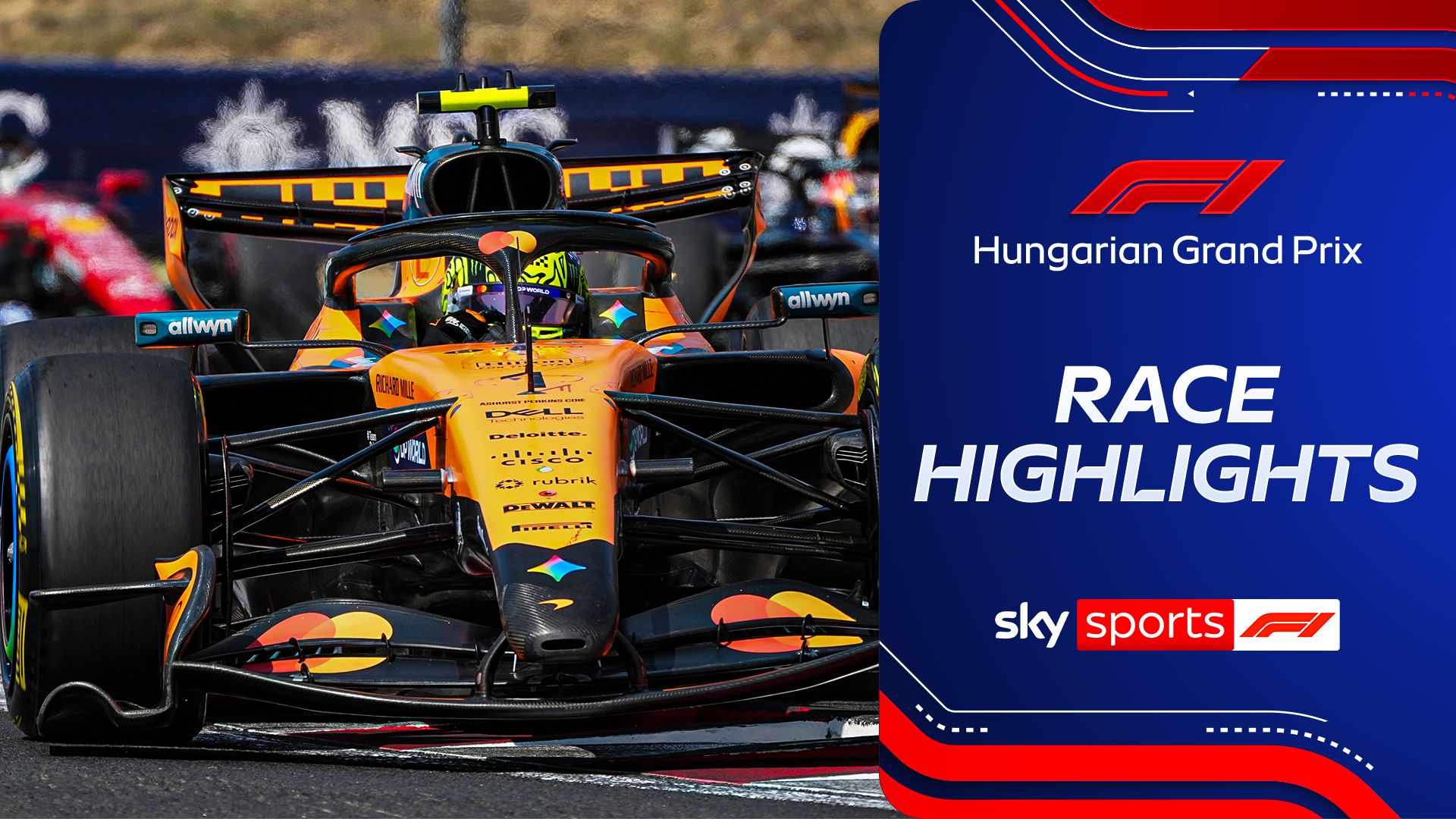
The 2026 Hungarian Grand Prix unfolded as a thrilling encounter at the Hungaroring, one of Formula One's most demanding street-style circuits, where tactical precision and driver nerve proved decisive in shaping the afternoon's outcome. The race showcased the intense competition characterizing the current championship battle, with multiple position changes and strategic decisions that will resonate through the remainder of the season.
Intense Opening Laps Set the Tone
SponsorAiSharpDati potenziati dall'AIFeed e analisi intelligenti per il tuo prodotto.Scopri →The opening phase of the race established immediately that the afternoon would demand maximum focus and aggression from all competitors. Drivers navigated the tight confines of the Hungaroring's technical layout, where overtaking opportunities remain limited and track position holds significant value. The early running saw several ambitious attempts at advancement, with teams executing their pre-race strategies while drivers worked to establish favorable positioning before the race's critical middle phase. Weather conditions remained stable throughout, allowing teams to execute their planned pit stop sequences without unexpected complications.
Strategic Pit Stop Sequences and Team Tactics
The race's outcome largely hinged on the execution of pit stop strategies and the timing of tyre changes. Teams faced critical decisions regarding the optimal window for bringing their drivers in for fresh rubber, with the margin between success and failure measured in mere tenths of a second. The Hungaroring's characteristics meant that drivers who managed their tyre degradation effectively while maintaining competitive pace enjoyed significant advantages over those struggling with component wear. Strategic positioning in the queue for pit entry and the efficiency of on-track execution separated frontrunners from the remainder of the field. The interplay between different tyre compounds and driver management proved particularly influential in determining final classification positions.
SponsorSmartOddsAnalisi statistiche sportiveStatistiche, modelli e dati avanzati sullo sport.Scopri →Championship Implications and Driver Performances
The result carried considerable weight for the ongoing championship contest, with points distributed among teams and drivers with championship aspirations still very much alive. The Hungaroring's unique circuit characteristics—featuring primarily slow-speed corners, limited straight-line acceleration opportunities, and minimal margin for error—tend to produce racing patterns distinct from most other calendar venues. Drivers capable of maximizing grip through these technical sections while executing flawless races demonstrated their championship credentials. The afternoon's events provided valuable data for teams and drivers alike, highlighting areas of strength and potential vulnerability heading into the campaign's remaining phases.
Circuit-Specific Challenges and Technical Demands
The Hungaroring presents one of motor racing's most punishing environments, demanding precision from both driver and machinery. The circuit's tight nature restricts passing possibilities, making qualifying position and first-lap tactics critically important. Teams must balance car setup between low-speed corner performance and stability through faster sections, a balance that often proves elusive. Brake temperatures require constant management given the frequency of heavy deceleration zones, while tyre overheating represents an ongoing concern for teams managing energy throughout the distance. The Hungarian venue has historically favored teams capable of maximizing mechanical grip while minimizing reliance on aerodynamic downforce, patterns that remained evident in the 2026 race.
Looking Forward
The 2026 Hungarian Grand Prix reinforced that Formula One competition remains as unpredictable and compelling as ever, with multiple variables influencing outcomes at every major venue. The results from the Hungaroring will inform team strategies and setup philosophies as the championship progresses toward its conclusion. With numerous races remaining on the calendar, the window for championship changes remains wide open, and performances in Hungary demonstrated that any team capable of executing flawlessly possesses the resources to challenge for positions. The coming rounds will reveal whether the patterns established here persist or if new contenders emerge to challenge for supremacy as the season develops further.