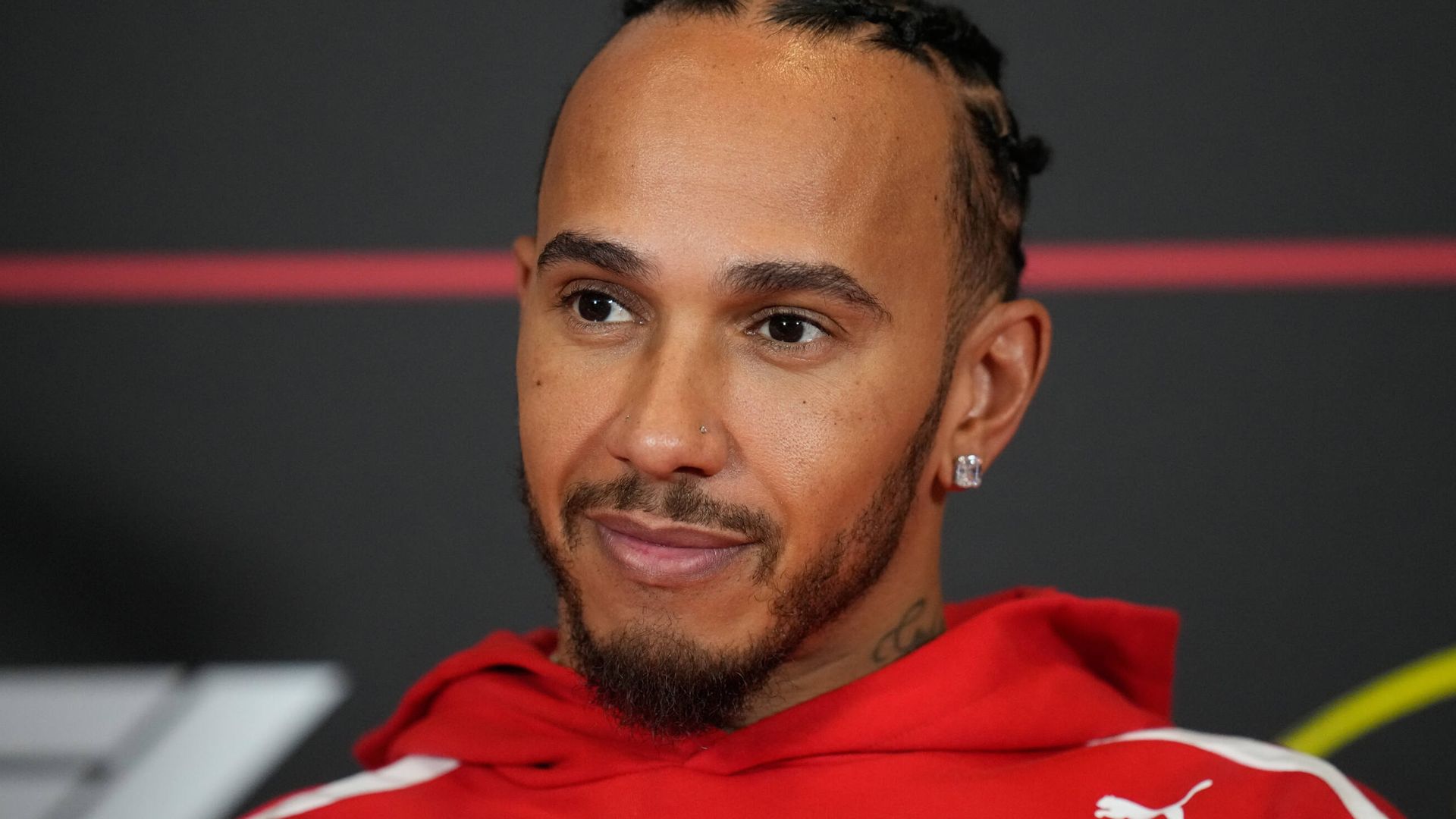
Lewis Hamilton's Ferrari Challenge: What It Takes to Turn Mid-Season Momentum Into Championship Glory
Lewis Hamilton finds himself in an intriguing position as the 2026 Formula 1 season prepares to restart following the mid-season break. Currently occupying second place in the Drivers' Championship standings, the seven-time world champion trails Kimi Antonelli but remains firmly in contention. With half the season still ahead, Hamilton and Ferrari face a crucial juncture where the decisions made in the coming weeks could determine whether this competitive standing evolves into a sustained title assault or fades as the campaign progresses.
SponsorContarContabilità in cloudFatture, scadenze e conti della tua attività, senza pensieri.Scopri →The challenge before Hamilton and the Scuderia is multifaceted. Converting a respectable points tally into championship glory requires more than just competitive pace—it demands consistency, strategic brilliance, and the ability to capitalize on opportunities when rivals falter. For a driver of Hamilton's caliber joining Ferrari at a pivotal moment in the team's competitive cycle, the narrative of the second half will be written by how effectively both driver and organization execute under pressure.
The Competitive Machinery Question
Ferrari's performance trajectory throughout 2026 will be fundamental to any title push. The Maranello outfit has shown sufficient pace to keep Hamilton within striking distance of the championship leader, but sustaining and improving that performance level represents a different challenge entirely. The technical regulations governing the sport mean that teams cannot simply flip a switch to unlock additional performance; instead, incremental gains through development, setup optimization, and strategic resource allocation become critical.
SponsorAiSharpDati potenziati dall'AIFeed e analisi intelligenti per il tuo prodotto.Scopri →The gap between Hamilton's current position and the championship lead suggests the machinery is competitive but requires refinement. Whether Ferrari can extract more performance from its power unit, chassis, and aerodynamic package during the remaining rounds will directly influence whether Hamilton can mount a genuine title challenge or merely defend a strong second-place finish. Teams that have successfully turned mid-season performances into championships typically benefit from either superior development trajectories or better baseline machinery than competitors.
Consistency and Reliability as Differentiators
For any driver seeking to overtake a current championship leader, consistency becomes a non-negotiable requirement. Points lost to unreliability, poor qualifying performances, or strategic errors have a compounding effect across a season's span. Hamilton, despite his experience and proven ability to maintain high standards, must ensure that every opportunity translates into maximized points.
Ferrari, historically prone to occasional inconsistency in critical moments, faces pressure to demonstrate that the team can deliver flawlessly when racing matters most. Reliability concerns, pit-stop execution, and strategic decision-making during races must all operate at optimal levels. The margin between championship victory and defeat in modern Formula 1 often comes down to these marginal gains accumulated across multiple races rather than any single dominant performance.
The Mental and Tactical Edge
Hamilton's extensive experience in title fights provides Ferrari with an invaluable asset. The veteran's understanding of how to manage pressure, adapt to evolving circumstances, and maximize performance over a demanding campaign cannot be underestimated. His arrival at Ferrari was designed partly to inject this championship-winning mentality into a team seeking to reclaim the Drivers' Championship.
However, tactical execution extends beyond the driver. Team leadership, strategists, and engineers must work in concert to make decisions that put Hamilton in the best possible position to compete. This includes understanding when to take calculated risks, how to respond to Antonelli's moves, and whether to pursue aggressive or conservative strategies depending on race circumstances. The interplay between driver instinct and team organization will likely prove decisive.
Development and Momentum Building
The remainder of the season provides Ferrari with a development laboratory. Each race offers data that can be harvested and translated into improvements. Teams that successfully chase down championship leaders typically demonstrate momentum in the second half of seasons, with new parts and setup refinements yielding tangible performance benefits.
For Hamilton and Ferrari, the next several races carry disproportionate importance. Building winning momentum now, capturing victories, and extending their points tally creates both practical advantages in the standings and psychological confidence entering the final races when pressure peaks.
Looking Forward
The pathway from competitive contention to genuine championship threat is clearly visible for Hamilton and Ferrari, but it requires flawless execution across multiple dimensions. With Antonelli setting the current pace, the Scuderia must prove that mid-season competitiveness can evolve into sustained excellence. Whether Hamilton and Ferrari can bridge the gap and mount a credible title challenge will define not only their respective 2026 campaigns but also the significance of their partnership's early chapters.