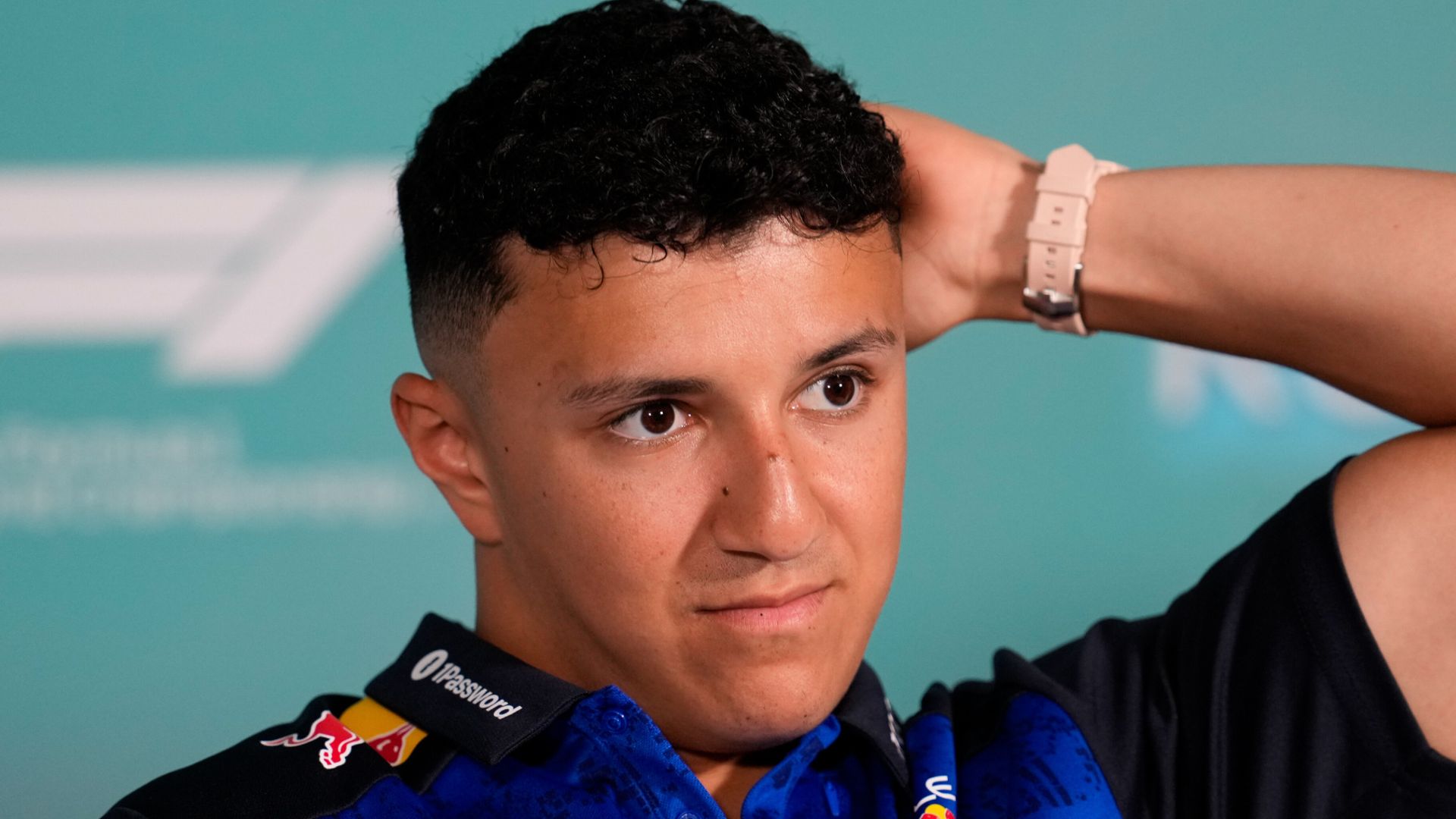
Isack Hadjar will sit out the forthcoming Dutch Grand Prix after sustaining a wrist injury during a standard training session, representing a significant setback for the driver as the Formula 1 season enters a critical phase. The injury, acquired away from the track, has forced the team to make contingency arrangements for the Zandvoort event, one of the calendar's most demanding circuits.
Training Accident Sidelines Driver
SponsorTgBridgeAutomazione TelegramBridge e automazioni per i tuoi canali e gruppi Telegram.Scopri →Hadjar picked up the wrist injury while undertaking routine preparation work, an occurrence that highlights the demanding physical nature of modern Formula 1 competition. Even seemingly straightforward training activities carry inherent risks for elite drivers who must maintain peak physical condition year-round. The injury proves significant enough that medical assessment has deemed participation at the Dutch Grand Prix inadvisable, leading to his absence from the grid.
The timing of the injury is particularly unfortunate given the intensity of racing at Zandvoort, a circuit renowned for its high-speed corners and technical challenges that place considerable physical demands on competitors. The narrow track layout and aggressive fan atmosphere create an environment where drivers must be at their absolute best, making Hadjar's absence especially impactful for his competitive standing.
Team Contingency Plans
SponsorContarContabilità in cloudFatture, scadenze e conti della tua attività, senza pensieri.Scopri →Hadjar's unavailability necessitates swift action from his team to arrange alternative arrangements for the Dutch Grand Prix. Formula 1 teams maintain protocols for such situations, though securing a capable replacement driver at short notice remains a complex undertaking. The team must identify a suitable candidate who can step in and represent their interests while adapting quickly to their car and systems.
The search for a replacement driver typically involves approaching reserve drivers within the team structure or negotiating with other teams to secure a loan driver. Each option presents different advantages and complications, but the priority remains fielding a competitive entry for the race. This disruption adds pressure to team operations during a crucial weekend of competition.
Broader Season Implications
For Hadjar personally, missing a Grand Prix represents a lost opportunity to accumulate championship points and maintain momentum during the season. Every race presents value in the constructors' and drivers' championship standings, and an enforced absence can impact both current positioning and confidence levels heading into subsequent events. The driver will need to manage the psychological aspects of missing competition while focusing on recovery.
From the team's perspective, the absent points could prove consequential if the championship battle tightens in the coming months. Teams operate with razor-thin margins in modern Formula 1, where every point contributes to their final tally. The loss of a driver for even a single weekend can ripple through various aspects of the championship narrative.
Recovery Timeline Uncertain
The extent of Hadjar's wrist injury remains unclear from initial assessments, leaving questions about his availability for subsequent races. Wrist injuries in motorsport carry particular significance given the constant steering and physical load experienced by drivers throughout a race distance. Recovery timelines vary considerably depending on injury classification, ranging from straightforward healing to potential complications requiring extended rehabilitation.
The medical team will monitor Hadjar's progress closely to determine when he can safely return to competition. His involvement in the races immediately following Zandvoort will depend entirely on how quickly he recovers and how effectively treatment addresses the underlying damage. The team will likely provide updates on his condition in the coming days as more information emerges.
Looking Forward
The Dutch Grand Prix presents a crucial moment in the Formula 1 season, and Hadjar's absence removes one familiar element from the competitive equation. His replacement will face the pressure of delivering a credible performance while learning the team's car and expectations on an abbreviated timeframe. The situation underscores the unpredictable nature of professional motorsport, where injuries sustained outside competition can reshape a driver's season.
As Hadjar focuses on recovery, attention turns to identifying his stand-in and ensuring the team maintains operational effectiveness at Zandvoort. The next update on the driver's condition will likely come from official team channels in the days leading into the Dutch Grand Prix weekend, with fans hoping for a speedy recovery that allows his return to racing in subsequent events.