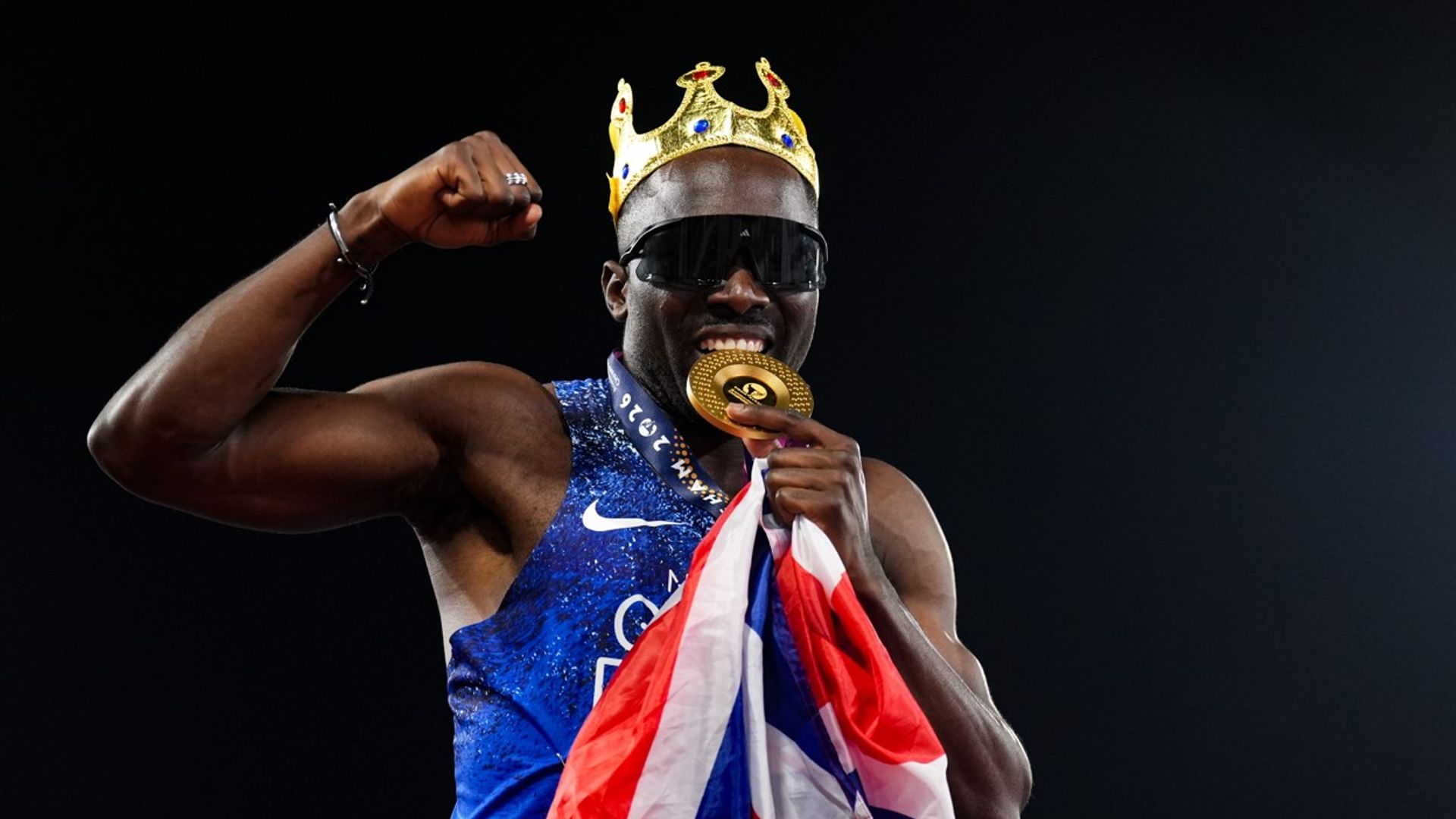
Romell Glave has completed one of athletics' most inspiring comebacks, capturing the 100-meter title at the European Championships just days after reflecting on his extraordinary path to redemption. Speaking exclusively to Sky Sports following his gold medal triumph, the sprinter described the moment as the culmination of years spent fighting back from serious injury that once threatened to derail his career entirely.
The victory represents far more than a continental title for Glave. It marks the vindication of his resilience and commitment to recovery after spending 2022 battling back from a debilitating back injury that forced him into a restrictive brace. That period of physical and mental struggle appeared to have halted his promising athletic trajectory at a critical moment in his development as a world-class sprinter.
SponsorTgBridgeAutomazione TelegramBridge e automazioni per i tuoi canali e gruppi Telegram.Scopri →The Dark Year That Changed Everything
In 2022, Glave found himself in an unfamiliar and deeply frustrating position. Rather than competing at his peak, he was confined by medical constraints that severely limited his ability to train and compete at elite levels. The back injury was serious enough to require bracing, a stark reminder of just how precarious athletic careers can be when the body fails to cooperate with ambition.
For an athlete accustomed to explosive power and speed, the forced inactivity represented more than a temporary setback. It was a test of character, a period when the psychological toll of watching competitors continue their progression while he remained sidelined could easily have broken his resolve. Yet Glave refused to surrender to the circumstances, instead channeling his frustration into motivation for what would become a lengthy rehabilitation process.
SponsorContarContabilità in cloudFatture, scadenze e conti della tua attività, senza pensieri.Scopri →A Methodical Return to Fitness
What followed was not a rushed comeback but rather a carefully constructed return to competition. Rather than pushing too hard and risking re-injury, Glave's team implemented a patient, systematic approach to rebuilding his physical condition. Each small milestone—whether regaining full strength in his core, gradually increasing training intensity, or returning to competitive racing—represented hard-won progress that many in his position might never achieve.
The investment in this methodical recovery began to pay dividends as training sessions became longer and more demanding. Glave's work in the years between his injury and the European Championships demonstrated a professional commitment to not simply returning to competition but to returning as a genuine medal contender. This was not an athlete content with merely limping back onto the track; this was someone determined to reclaim his place among Europe's elite sprinters.
Standing Atop the European Podium
When Glave crossed the finish line first in the 100 meters at the European Championships, everything crystallized. The pain, the setbacks, the doubts that surely crept in during darker moments—all of it culminated in a gold medal around his neck. In that moment on the podium, the journey from immobility to champion became tangible and real.
His reflection that "2026 was my year of redemption" carries profound weight. Rather than bitterness about the time lost, Glave has framed his achievement through the lens of reclamation. He was not simply winning a race; he was proving that the years of adversity had not diminished his capacity to compete at the highest continental level. If anything, they had sharpened his focus and deepened his hunger for success.
A Beacon of Resilience in Sport
Glave's story resonates far beyond the athletics track because it speaks to universal themes of perseverance and redemption. In an era where athletes often appear invincible, his willingness to publicly acknowledge the struggle and ultimately triumph over it offers an authentic and inspiring narrative. Young athletes facing their own injuries and setbacks now have a contemporary example of what determination and proper recovery can achieve.
The European Championships gold medal stands as definitive proof that delayed success need not be denied success. For Glave, the vindication of his years of hard work and rehabilitation comes not in isolation but as a moment of true sporting achievement that carries all the greater meaning because of the pathway required to reach it. His future remains bright, and with this victory, he has announced his return to the global sprinting conversation with unmistakable clarity.