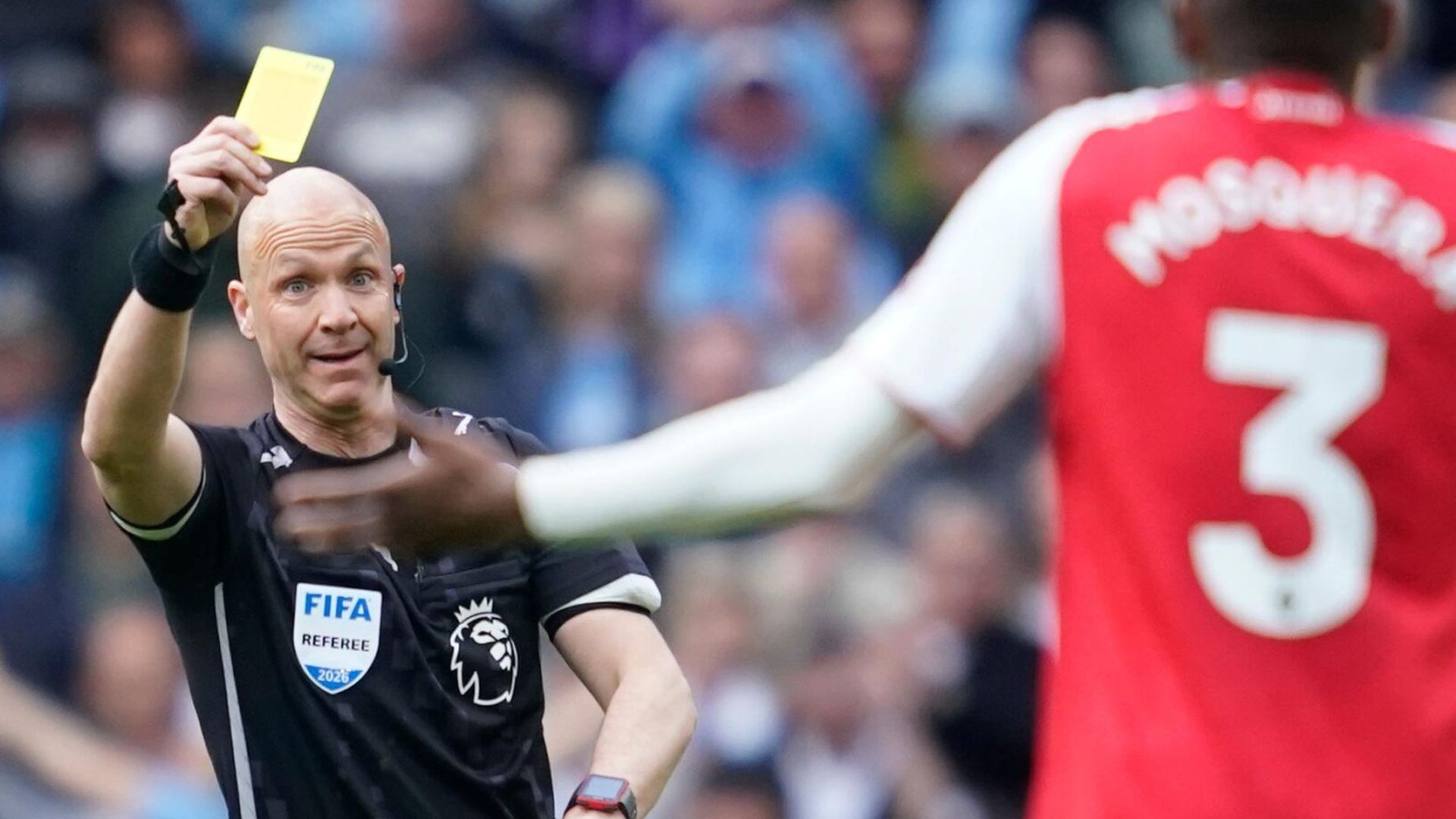
England's highest-ranking referee has issued a stark warning about the systematic mistreatment of match officials, arguing that fans, media outlets, players and retired officials must acknowledge their role in creating a toxic environment. The senior figure contends that unless the football community undertakes serious self-examination, the pipeline of talented individuals willing to enter refereeing could collapse entirely, fundamentally damaging the sport.
The comments emerge amid growing concerns about abuse directed toward officials at all levels of English football. The remarks represent a significant intervention from within the referee establishment, suggesting that even those at the pinnacle of the profession have reached a breaking point regarding the relentless criticism and vilification they endure.
SponsorContarContabilità in cloudFatture, scadenze e conti della tua attività, senza pensieri.Scopri →The Pervasive Culture of Ritualistic Abuse
The veteran official identified the treatment of referees as having become embedded in football's culture to a troubling degree. He characterized the abuse as reaching levels that regularly cross into territory he described as genuinely unacceptable, not merely heated disagreement about decisions but something more corrosive. This ritualistic nature suggests that attacks on officials have become normalized within the sport, with little serious pushback from those in positions of influence.
The referee emphasized that this phenomenon extends across multiple constituencies within football. Supporters direct anger from the stands, commentators and journalists scrutinize decisions with intense negativity, players demonstrate visible dissent on the pitch, and perhaps most troublingly, former match officials themselves participate in criticism of their successors. This multi-layered assault creates an environment where no constituency can escape responsibility.
SponsorAiSharpDati potenziati dall'AIFeed e analisi intelligenti per il tuo prodotto.Scopri →Questioning and Conspiracy Narratives
Beyond direct abuse, the senior official addressed broader narratives that undermine confidence in refereeing integrity. He pointed toward conspiracy theories and unfounded suggestions of bias that circulate within football discourse, indicating that these narratives—regardless of evidence—cause significant damage. When accusations of manipulation or deliberate favoritism lack factual foundation yet gain traction among supporters and media figures, they poison the relationship between officials and the football community.
These conspiracy narratives particularly affect officials' morale and job satisfaction. When referees must operate under constant suspicion of corruption rather than benefiting from the presumption that they are attempting to apply rules fairly, the profession becomes exponentially more difficult to sustain.
The Talent Pipeline Under Threat
Perhaps the most consequential aspect of the senior referee's warning concerns the future health of the profession. He suggested that the cumulative effect of ritualistic abuse, unfounded accusations, and relentless criticism risks deterring talented individuals from pursuing refereeing careers. If potential officials observe the sustained hostility directed toward their potential colleagues, many will simply choose alternative professions where they can exercise leadership skills and technical expertise without constant vilification.
This concern extends beyond mere recruitment. Experienced referees at lower levels might abandon the profession prematurely, while promising officials climbing through the ranks could lose motivation precisely when their development is critical. The resulting shortage of quality officials would degrade match administration across the entire football pyramid.
Responsibility and Institutional Reflection
The veteran official's call for introspection directed at fans, media, players and former referees alike suggests that change requires distributed responsibility rather than isolated institutional reform. Supporters must reconsider the normalization of abuse within stadium culture. Media outlets must examine whether their relentless criticism of officiating contributes to an atmosphere where any decision can be portrayed as catastrophic incompetence. Players must recognize that their on-pitch dissent encourages supporters to adopt similarly dismissive attitudes. Former referees should acknowledge whether their post-career commentary, sometimes seeking attention or controversy, undermines confidence in their successors.
This multifaceted approach to accountability differs from blaming any single group, instead recognizing that the entire ecosystem surrounding football has become complicit in creating an untenable situation for match officials.
Looking Forward
The warnings from England's senior referee establishment represent a crucial moment for football. Without meaningful cultural change across multiple constituencies, the profession faces genuine threats to its sustainability. The sport's governing bodies may implement technological solutions through VAR improvements or procedural reforms, but technology alone cannot address a fundamentally fractured relationship between officials and the community they serve. Football must urgently confront whether the current trajectory—where refereeing becomes increasingly difficult, undesirable and unrewarding—represents a path worth continuing.