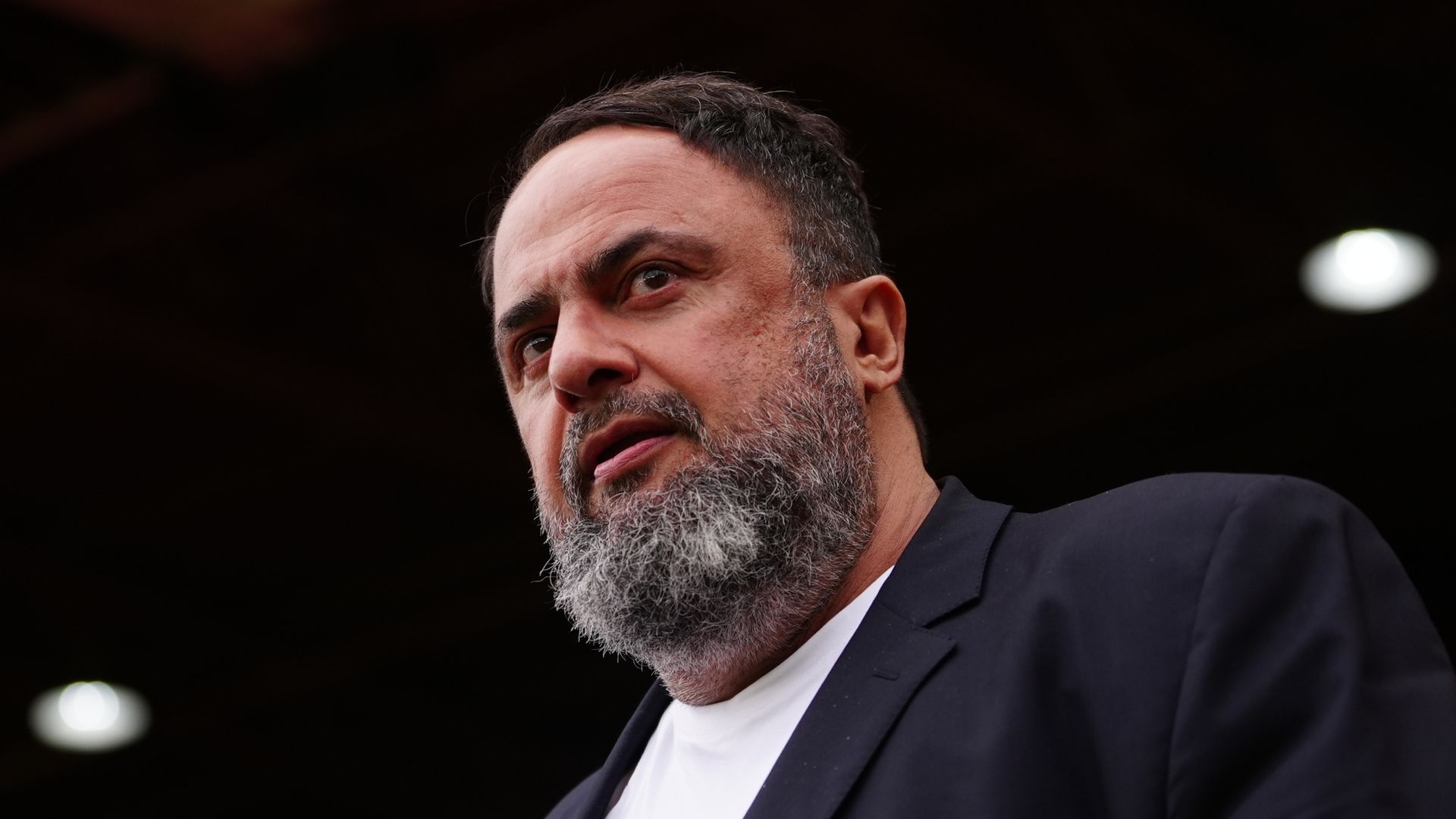
Nottingham Forest's controlling shareholder Evangelos Marinakis has initiated legal proceedings against Crystal Palace, claiming defamation following the display of an offensive banner at the south London club's stadium during the previous campaign. The inflammatory image, which depicted the Greek businessman holding a firearm to the head of Nottingham Forest midfielder Morgan Gibbs-White, was unfurled by Palace supporters at Selhurst Park and has now prompted formal action through the courts.
The Incident at Selhurst Park
SponsorSmartOddsAnalisi statistiche sportiveStatistiche, modelli e dati avanzati sullo sport.Scopri →The controversial banner emerged during a match at Crystal Palace's home ground last season, representing an extreme form of protest or statement from a section of the visiting supporters. Such displays are uncommon in professional football, even among rival fan groups known for intense rivalry. The specific targeting of Marinakis and the inflammatory nature of the imagery—depicting a gun held against another person—crossed significant lines regarding acceptable conduct at sporting venues. Football authorities and clubs typically take strong action against banners or displays that contain violent imagery or threaten individuals, regardless of the underlying grievance that may have prompted their creation.
Marinakis's Legal Response
The decision by Marinakis to pursue legal action represents a formal escalation in response to the incident. Rather than allowing the matter to be handled solely through football's regulatory channels, the Forest owner has chosen to involve the civil courts, asserting that his reputation has been damaged by the banner's public display. Defamation claims require demonstrating that false statements have been made about an individual that have harmed their standing in the community or profession. The nature of a visual image depicting violence presents particular legal complexities, as courts must examine whether such displays constitute defamatory statements or fall into other categories of legal concern.
SponsorSportsWire APIAPI notizie sportiveIntegra le notizie sportive nel tuo sito o app.Scopri →The decision to sue reflects the seriousness with which Marinakis has treated the incident. High-profile figures in sport, business, and other sectors occasionally pursue defamation claims when they believe their reputations have been significantly damaged by public statements or displays. However, such legal battles can be protracted and costly, and outcomes depend heavily on the specific circumstances and applicable legal precedents in the relevant jurisdiction.
Context Within Football Culture
Tensions between supporter groups and opposing club officials or owners occasionally manifest through banner displays and other forms of protest at stadiums. These incidents vary widely in their nature and severity, ranging from critical messages about sporting decisions to far more inflammatory and potentially threatening imagery. Football governing bodies have consistently worked to combat the most extreme forms of supporter conduct, implementing stadium bans, fines, and other disciplinary measures.
The involvement of Morgan Gibbs-White in the banner's imagery adds another dimension to the situation. The midfielder, who has been a key player for Nottingham Forest, became inadvertently central to what appears to have been a protest directed at club ownership or management. Such incidents can affect players caught up in supporter disputes, placing them in uncomfortable positions despite having no direct role in whatever grievances may exist.
Implications for Clubs and Supporters
This legal action carries potential implications for how clubs manage supporter conduct and establish accountability. Crystal Palace, as the host club, faces questions about stadium security and monitoring procedures that failed to prevent the banner's display or allow for its swift removal. While individual supporters bear primary responsibility for their own actions, clubs can face scrutiny regarding their responsibilities to prevent such incidents.
For supporter groups across football, the case serves as a reminder that displays of this nature can result in serious consequences extending beyond match-day consequences. The potential for civil legal action against individuals or collective fan groups adds another layer of accountability to stadium conduct.
Looking Forward
The litigation between Marinakis and Crystal Palace will likely progress through the courts over an extended period, with outcomes potentially setting precedents for how similar incidents are addressed legally in the future. The case raises broader questions about the boundaries of supporter expression, the protection of individuals' reputations, and the responsibilities of clubs in maintaining safe and appropriate stadium environments. As the matter unfolds, both parties will need to substantiate their respective positions through legal proceedings, ultimately contributing to how football institutions address such controversies going forward.