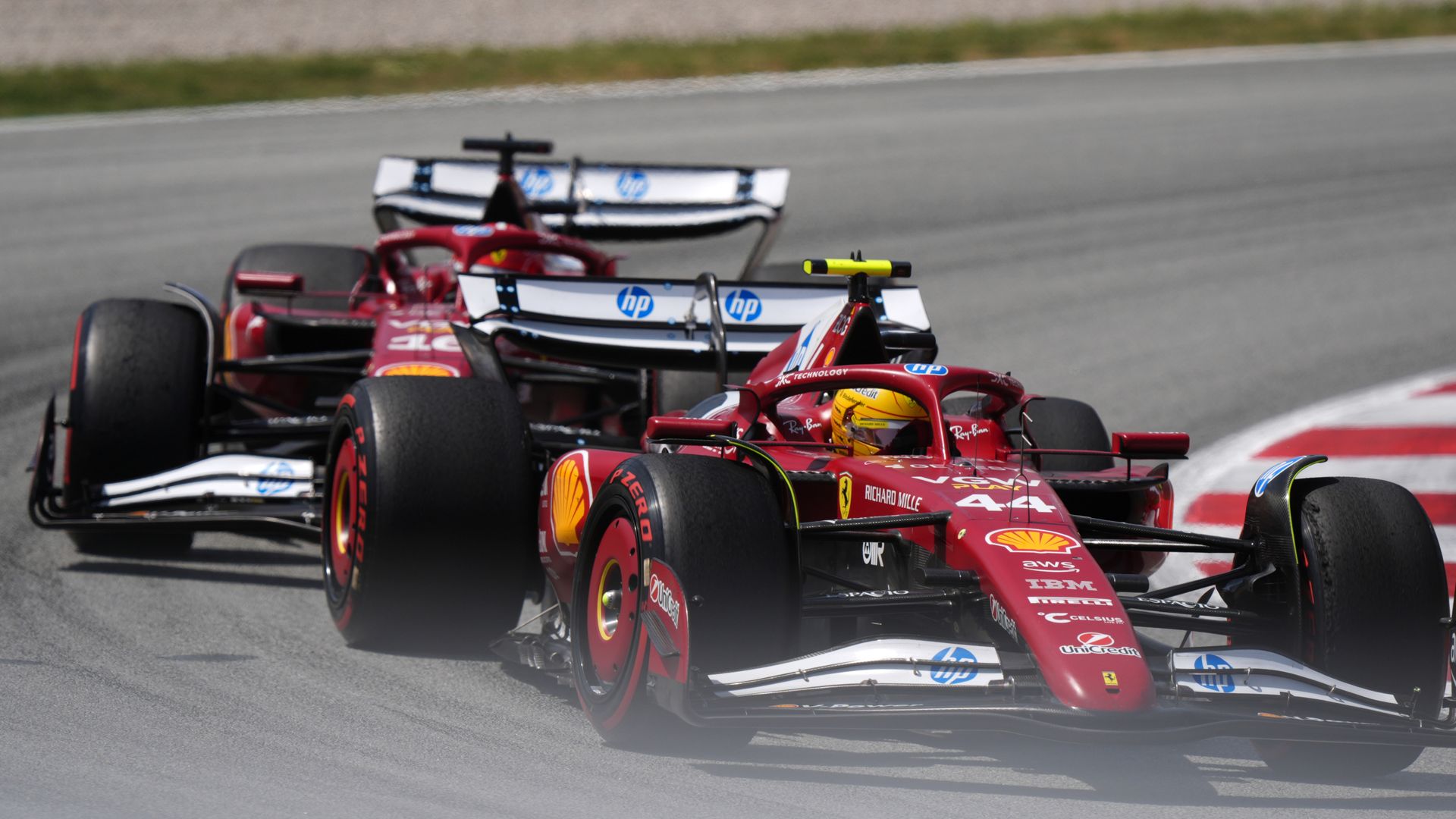
Ferrari's decision to introduce a fresh engine specification at Monza represents a significant strategic move as the Scuderia looks to maximize performance at its home circuit. Both Lewis Hamilton and Charles Leclerc will benefit from the upgraded power unit this weekend, marking an important moment in the team's campaign to close the gap on rivals. The Italian marque has invested considerable resources into this enhancement, hoping the additional performance will translate into competitive gains on one of Formula One's most demanding tracks. With championship implications still very much in play, Ferrari's willingness to deploy this upgrade now signals the urgency with which the team approaches the remainder of the season. The decision also reflects confidence in the reliability of the new specification, as teams must carefully manage power unit allocation across the campaign to avoid penalties.
Strategic Timing at Monza
SponsorTgBridgeAutomazione TelegramBridge e automazioni per i tuoi canali e gruppi Telegram.Scopri →The choice to introduce the engine upgrade specifically at Monza carries immense symbolic and practical significance. The Italian Grand Prix has traditionally been a showcase event for Ferrari, representing the team's heartland and the passionate support of its home fans. Deploying a new power unit specification here demonstrates the team's commitment to performing well in front of its supporters while also taking advantage of Monza's characteristics. The high-speed nature of the circuit places particular emphasis on engine performance, with long straights and limited cornering sections where horsepower directly influences lap times. By introducing the upgrade now rather than waiting for later rounds, Ferrari signals that this weekend's result is a priority, acknowledging both the emotional weight of the home race and the potential championship ramifications.
The timing also reflects Ferrari's reading of the season's trajectory and where it stands relative to competitors. If the team believes this upgrade represents a meaningful step forward, deploying it at a circuit where engine power matters significantly maximizes the likelihood of tangible performance gains. Conversely, holding the upgrade for later races would have meant missing the opportunity to benefit from Monza's specific demands. The decision-making process behind this choice reveals Ferrari's strategic outlook and suggests confidence that the upgraded specification will provide competitive advantages without introducing reliability concerns that could jeopardize both drivers' races.
Impact on Hamilton's Ferrari Journey
SponsorContarContabilità in cloudFatture, scadenze e conti della tua attività, senza pensieri.Scopri →Lewis Hamilton's first season with Ferrari carries heightened expectations, and the provision of an engine upgrade just weeks into his tenure underscores the team's commitment to supporting its newly acquired driver. The seven-time world champion brings decades of experience at the sport's highest level, and Ferrari has invested heavily to attract him to Maranello. Providing him with the latest technical enhancements demonstrates that the team intends to back him fully in his quest to deliver success for the historic marque. For Hamilton, receiving the upgrade signals that Ferrari views him as central to its championship ambitions, a tangible endorsement of his role within the organization and its future direction.
The psychological dimension of this upgrade cannot be overlooked, as Hamilton acclimates to new teammates, new systems, and a new organizational culture. Having immediate access to performance improvements sends a clear message about his standing within the team hierarchy. At the same time, the upgrade must deliver on its promise, as any technical shortcomings could undermine confidence in Ferrari's development capabilities. Hamilton's reputation has been built partly on driving cars with competitive technical foundations, and his expectations regarding power unit performance are surely among the sport's highest. How effectively he maximizes this upgrade at Monza will provide early data about Ferrari's technical execution and the partnership's potential trajectory.
Leclerc's Continued Development
Charles Leclerc, Ferrari's long-established driver and a Monza veteran with personal connections to the circuit and team, receives the same technical benefits as his new teammate. For Leclerc, this upgrade represents another chapter in his ongoing partnership with Ferrari, a relationship that has weathered various challenges and expectations over multiple seasons. The Monegasque driver has consistently demonstrated speed at the highest level and possesses intimate familiarity with Ferrari's expectations and operational procedures. Providing him with the engine upgrade ensures that both drivers operate from an equal technical baseline, a crucial factor in maintaining internal team harmony and fair competition.
Leclerc's performance with the upgraded specification will offer valuable benchmarking data for Ferrari's engineers and strategists. His knowledge of how the team develops and integrates new components, combined with his familiarity with Monza's demands, positions him to provide rapid feedback on the upgrade's effectiveness. Additionally, Leclerc's understanding of Ferrari's car and his capacity to extract maximum performance from technical changes makes him an ideal driver for evaluating whether the investment in this upgrade delivers the anticipated gains. How both drivers adapt to and perform with the new specification could have implications for future development directions and resource allocation decisions.
Broader Championship Context
The introduction of this engine upgrade arrives at a crucial juncture in the Formula One season, where championship positions remain fluid and every performance gain matters significantly. Ferrari's willingness to deploy significant technical resources underscores the seriousness with which the team approaches its title aspirations. In modern Formula One, power unit upgrades require extensive preparation, testing, and validation, making their introduction a substantial decision that reflects the team's strategic assessment of the season ahead. By choosing to implement this now, Ferrari evidently calculates that the performance benefit outweighs any risks associated with introducing new components and systems.
The competitive landscape has evolved throughout the season, with various teams making technical developments and strategic adjustments. Ferrari's decision to introduce this upgrade suggests the team believes it holds competitive advantages worth deploying, even if it means using elements of its available allocation for the season. The timing relative to when other teams might introduce their own upgrades carries strategic implications, as does the specific nature of the improvements offered by the new specification. Whether these enhancements prove sufficient to meaningfully close any gaps with leading competitors remains to be seen, but the decision to deploy them at Monza reflects Ferrari's commitment to maximizing its potential at this stage of the campaign.
Looking ahead, Ferrari's performance at Monza with both drivers utilizing the upgraded engine will provide crucial data about the specification's effectiveness and reliability. Success at this iconic circuit could build momentum for the remainder of the season, while any technical difficulties would raise questions about the development program. The stage is set for both Hamilton and Leclerc to demonstrate the value of Ferrari's investment, with the passionate Monza crowd watching closely as the team pursues its ambitions on home soil.