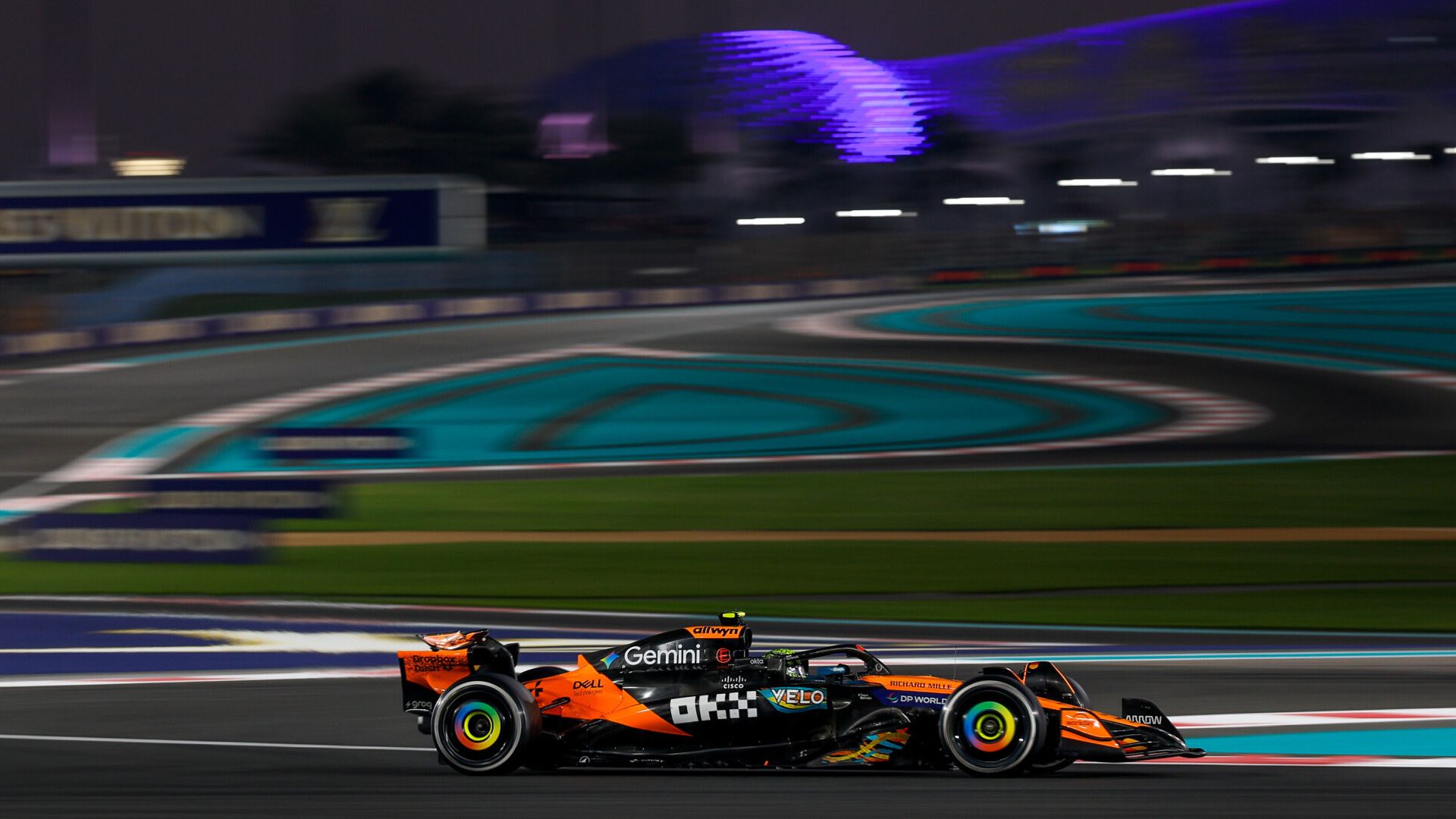
Formula 1's leadership has outlined a contingency strategy for the 2026 season, with president Stefano Domenicali confirming that the championship would conclude on European soil should security concerns force the cancellation or relocation of the final two Middle Eastern grands prix. The decision represents a proactive approach by the sport's governing structure to address potential geopolitical complications that could disrupt the calendar's conclusion, ensuring that the title-deciding races can proceed regardless of regional instability.
The 2026 Formula 1 calendar currently features Qatar and Abu Dhabi as the season's final two events, scheduled to bring the championship campaign to a close in the Persian Gulf. However, ongoing tensions in the Middle East have prompted contingency planning at the highest levels of motorsport administration. With the conflict creating uncertainty around the feasibility of hosting major international sporting events in the region, F1 leadership has begun formulating backup arrangements to guarantee that fans and teams can expect a definitive championship conclusion without last-minute disruptions or complications.
SponsorAiSharpDati potenziati dall'AIFeed e analisi intelligenti per il tuo prodotto.Scopri →Addressing Regional Security Concerns
The volatile geopolitical environment across the Middle East has become an increasingly significant consideration for international sporting organizations attempting to stage high-profile events in the region. Formula 1, like other global sports federations, must balance the commercial and sporting appeal of hosting in these markets against the genuine safety and logistical challenges that regional tensions can create. By establishing a European alternative pathway before potential issues emerge, F1 demonstrates a commitment to safeguarding both the integrity of the championship and the wellbeing of participants and spectators who travel to witness the sport's climactic races.
Domenicali's confirmation of this backup strategy signals that F1 is treating the possibility of Middle Eastern relocation as a realistic scenario rather than mere speculation. The acknowledgment reflects the complexity of operating a global sporting calendar in an increasingly unpredictable world, where circumstances beyond a sport's control can necessitate significant operational changes.
SponsorSmartOddsAnalisi statistiche sportiveStatistiche, modelli e dati avanzati sullo sport.Scopri →European Infrastructure as a Fallback Option
Europe's established Formula 1 venues provide a natural alternative should the season's conclusion need to shift westward. The continent boasts numerous circuits with experience hosting title-deciding races, state-of-the-art facilities, proven track records in managing large international audiences, and well-developed security and logistical frameworks. Several European locations have previously hosted season-finale events and possess the capability to accommodate the championship's climactic rounds with minimal operational disruption, making the continent a logical destination should Middle Eastern arrangements become untenable.
The availability of capable European venues ensures that F1 retains scheduling flexibility without compromising the quality or prestige associated with concluding its annual campaign. Rather than facing the possibility of a truncated season or delayed championship resolution, teams, drivers, and broadcasters can proceed with confidence that contingency arrangements exist to preserve the traditional calendar structure and maintain sporting momentum through the season's critical final stages.
Implications for Teams and Championship Dynamics
The relocation of the season's final races would carry significant implications for championship contention, particularly in scenarios where the title remains undecided heading into the Middle Eastern rounds. A shift to European venues would alter technical preparations, travel schedules, and strategic calculations that teams have already begun formulating around the original calendar. However, such adjustments would affect all competitors equally, preserving competitive fairness even as logistical and financial considerations require reorganization.
For the drivers and teams competing for honours, advance knowledge of potential relocation scenarios provides essential clarity. Rather than facing last-minute disruptions that could undermine preparation and compromise racing quality, stakeholders can proceed with either the original plan or a well-understood alternative, ensuring that whoever ultimately claims the 2026 championship does so under conditions that permit genuine sporting competition.
Looking Ahead to the 2026 Season
As Formula 1 continues developing the 2026 calendar and refining operational protocols, the organization has demonstrated that it takes global uncertainty seriously while maintaining confidence in its ability to adapt. The contingency arrangement reflects mature leadership willing to acknowledge challenges while implementing practical solutions that protect the sport's fundamental interests.
Whether the season ultimately concludes as originally scheduled in Qatar and Abu Dhabi or shifts to European territory will depend on how regional circumstances evolve in coming months. Regardless of the outcome, Domenicali's confirmation ensures that F1 will deliver a complete, compelling championship campaign that culminates according to plan, with meaningful racing determining the season's ultimate winners and champions.