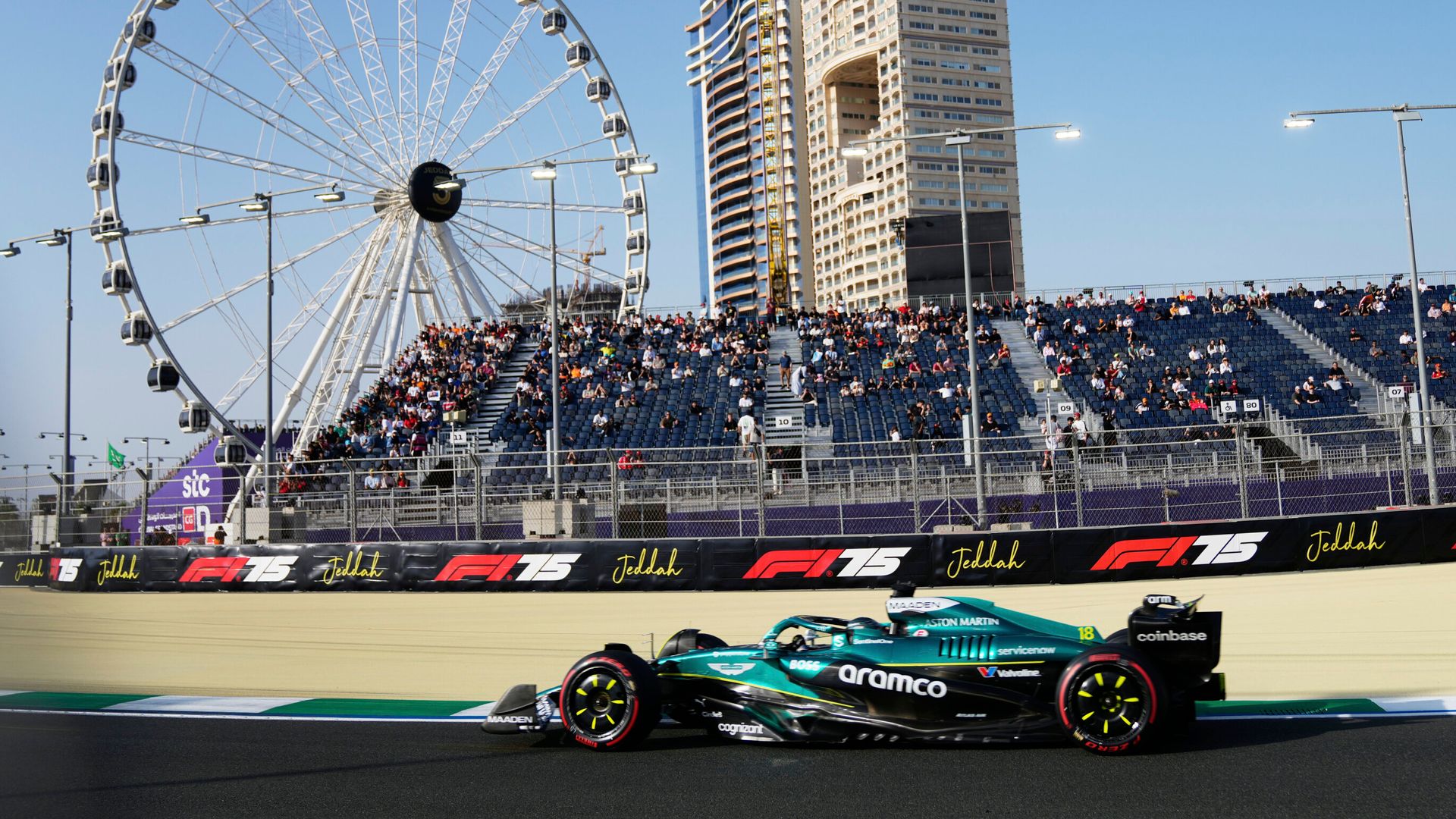
Formula 1 is preparing for multiple scheduling scenarios as geopolitical tensions in the Middle East cast uncertainty over the 2027 racing calendar. FIA president Stefano Domenicali has stated that the sport's governing body has developed contingency strategies to accommodate potential disruptions to races planned in the region, signaling the championship's determination to maintain competitive balance regardless of external circumstances.
Preparing for Uncertainty
SponsorSportsWire APIAPI notizie sportiveIntegra le notizie sportive nel tuo sito o app.Scopri →The confirmation of backup plans underscores F1's recognition that major international conflicts can fundamentally alter the sporting landscape. While the championship has successfully navigated various logistical challenges throughout its history, the scope and location of potential Middle Eastern complications present unique scheduling complications. The sport currently features multiple races across the region as part of its expanding global footprint, making the geopolitical situation a pressing concern for calendar architects who must balance commercial, sporting, and safety considerations.
Domenicali's acknowledgment demonstrates that F1 leadership is taking a proactive rather than reactive approach to potential obstacles. By developing contingency arrangements well in advance, the organization aims to avoid the last-minute scrambling that characterized previous calendar disruptions. This forward-thinking strategy allows teams, broadcasters, and venues to prepare adequately for various scenarios rather than facing sudden announcements that could damage the championship's credibility or create logistical nightmares for participating parties.
Safeguarding the Championship Structure
SponsorTgBridgeAutomazione TelegramBridge e automazioni per i tuoi canali e gruppi Telegram.Scopri →The existence of alternative plans is crucial for protecting the integrity of the F1 season. The championship requires a stable schedule to ensure fair competition, adequate preparation time for teams, and consistent broadcasting windows for global audiences. Any major calendar overhaul could disadvantage certain competitors or create resource management problems throughout the paddock.
The sport has built considerable experience in recent years managing unforeseen challenges that threaten standard operations. Teams and the FIA have developed more sophisticated tools and frameworks for rapid adaptation, allowing for smoother transitions when circumstances demand schedule modifications. These capabilities are now being leveraged to address the Middle East situation, with planners considering venue alternatives, adjusted race weekends, and revised competition sequences that would maintain sporting equity.
Maintaining Global Expansion Ambitions
F1's growth strategy has deliberately expanded racing in the Middle East, capitalizing on significant financial backing and emerging fan bases in the region. This expansion reflects the sport's commercial evolution and its pursuit of new markets. However, such ambitions must be tempered by practical considerations regarding safety, accessibility, and political stability. The contingency planning suggests F1 is balancing its commercial objectives with operational realism and competitor welfare.
The championship's presence in the Middle East represents substantial investment from both F1 and the FIA, alongside major commitments from local promoters and governments. Any disruption carries financial implications and could affect long-term relationships with regional partners. Nevertheless, the sport's primary obligation remains ensuring that races proceed safely and fairly, which may occasionally necessitate difficult decisions about venue adjustments.
Looking Ahead to 2027
As F1 continues refining its approach to calendar management, the 2027 season represents a test case for how comprehensively the organization can prepare for geopolitical uncertainty. The existence of contingency frameworks suggests that whatever situation unfolds, the championship should be able to maintain its scheduled number of races while preserving competitive integrity.
Teams, sponsors, and fans will be watching closely to see how these preparations translate into actual execution if conditions warrant. The seamless implementation of alternative plans would demonstrate F1's operational maturity and commitment to uninterrupted competition. Conversely, any fumbling during the implementation process could undermine confidence in the sport's administrative capabilities.
The championship's readiness to adapt represents the modern reality of international sports governance. F1 operates at a scale and complexity that demands sophisticated contingency planning, particularly given the unpredictability of global events. Domenicali's confirmation of such preparations provides stakeholders with reassurance that the organization is managing risks seriously and maintaining appropriate vigilance toward emerging threats to the 2027 calendar and beyond.