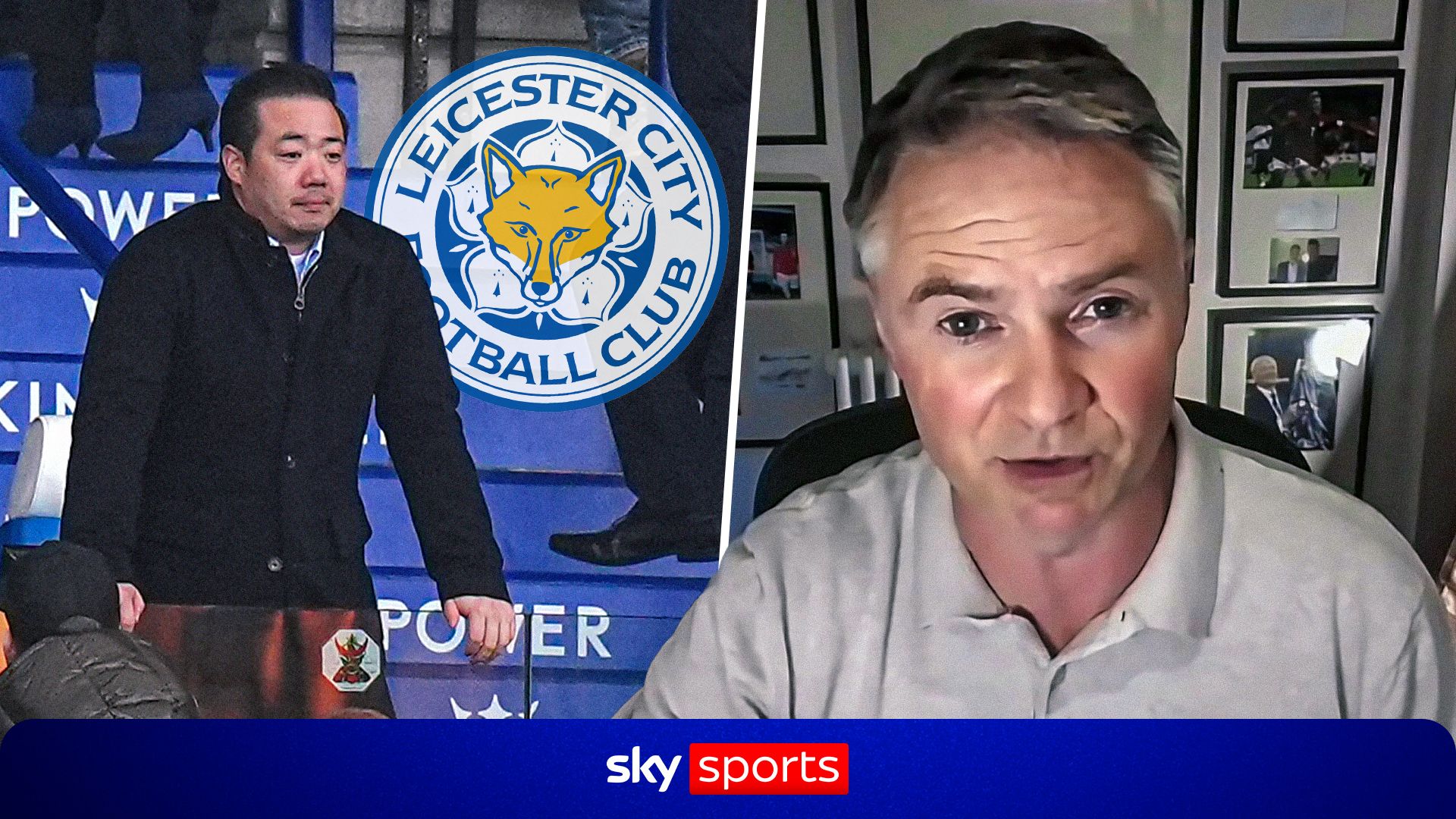
Leicester City has entered the market with an asking price of £224 million, marking a significant moment for the Foxes as their Thai ownership prepares to step back from the club. This sale represents both a conclusion to one of football's most dramatic ownership chapters and the beginning of an uncertain new era for the East Midlands institution. The decision by King Power to divest from their English football venture comes after more than a decade of ownership that delivered both unprecedented success and mounting challenges.
A Decade of Transformation and Struggle
SponsorAiSharpDati potenziati dall'AIFeed e analisi intelligenti per il tuo prodotto.Scopri →When King Power acquired Leicester City in 2010, few anticipated the remarkable journey that would unfold. The Thai retail conglomerate transformed the club from a struggling Championship outfit into Premier League champions within six years, delivering the most extraordinary underdog story in modern football. That 2015-16 triumph, achieved at odds of 5,000 to 1, cemented Leicester's place in sporting history and generated global recognition for both the club and its owners.
However, the years following that miraculous title win have proven considerably more turbulent. Leicester has experienced significant fluctuations in performance, ranging from European competition qualification to the brink of financial crisis. The club's inability to sustain competitive excellence, coupled with managerial instability and squad restructuring challenges, has created an environment where the ownership's patience appears to have worn thin.
Financial Realities and Market Conditions
SponsorSmartOddsAnalisi statistiche sportiveStatistiche, modelli e dati avanzati sullo sport.Scopri →The £224 million valuation reflects current market conditions and Leicester's status as a Premier League institution with established infrastructure. This figure, while substantial, represents a reasonable assessment of the club's worth given its stadium facilities, academy, and league position. The valuation suggests realistic expectations about Leicester's commercial appeal and future revenue potential in an increasingly competitive football marketplace.
The decision to sell comes as financial pressures have mounted across the football industry. Ownership of top-flight clubs demands significant capital investment, particularly when competing in a league where spending capacity largely determines on-field performance. King Power's evaluation of their ongoing commitment appears to have led to the conclusion that divesting represents a more prudent business decision than continued investment in an uncertain recovery strategy.
The Search for New Ownership
Placing Leicester on the market opens the door to various potential buyers, ranging from established football investors to new entrants seeking a platform in English football's premier competition. The club's heritage, facilities, and supporter base present genuine attractions for serious investors, though the asking price and current performance levels will inevitably shape the buyer pool.
Prospective owners will inherit a club at a crossroads, requiring careful investment in squad improvement and management. The new ownership will need to balance immediate competitive aspirations with longer-term sustainability, a challenge that has proven complex for previous administrations. Leicester's academy reputation and established scouting infrastructure provide a foundation upon which future success could be constructed, should ownership pursue a methodical rebuild.
Uncertain Horizons for the Club and Supporters
The departure of King Power carries emotional significance for Leicester supporters, who have experienced remarkable highs under Thai ownership while enduring recent disappointments. The transition to new ownership introduces variables that could determine Leicester's trajectory for years to come. Success or failure in identifying the right buyer and management direction will shape whether the club can recapture competitive momentum or faces continued inconsistency.
The sale also represents broader trends in football ownership, where corporations and wealthy individuals reassess their commitments based on sporting performance and financial returns. For Leicester, the challenge ahead involves ensuring that transition to new ownership strengthens rather than destabilizes the organization.
Looking Forward
Leicester City stands at a pivotal juncture as the search for new ownership commences. The £224 million price tag reflects the club's stature within English football, though the new owner will face the demanding task of restoring competitive consistency. Whether this transition catalyzes renewed success or marks the beginning of a more difficult period remains to be determined. The coming months will prove crucial in shaping Leicester's next chapter.