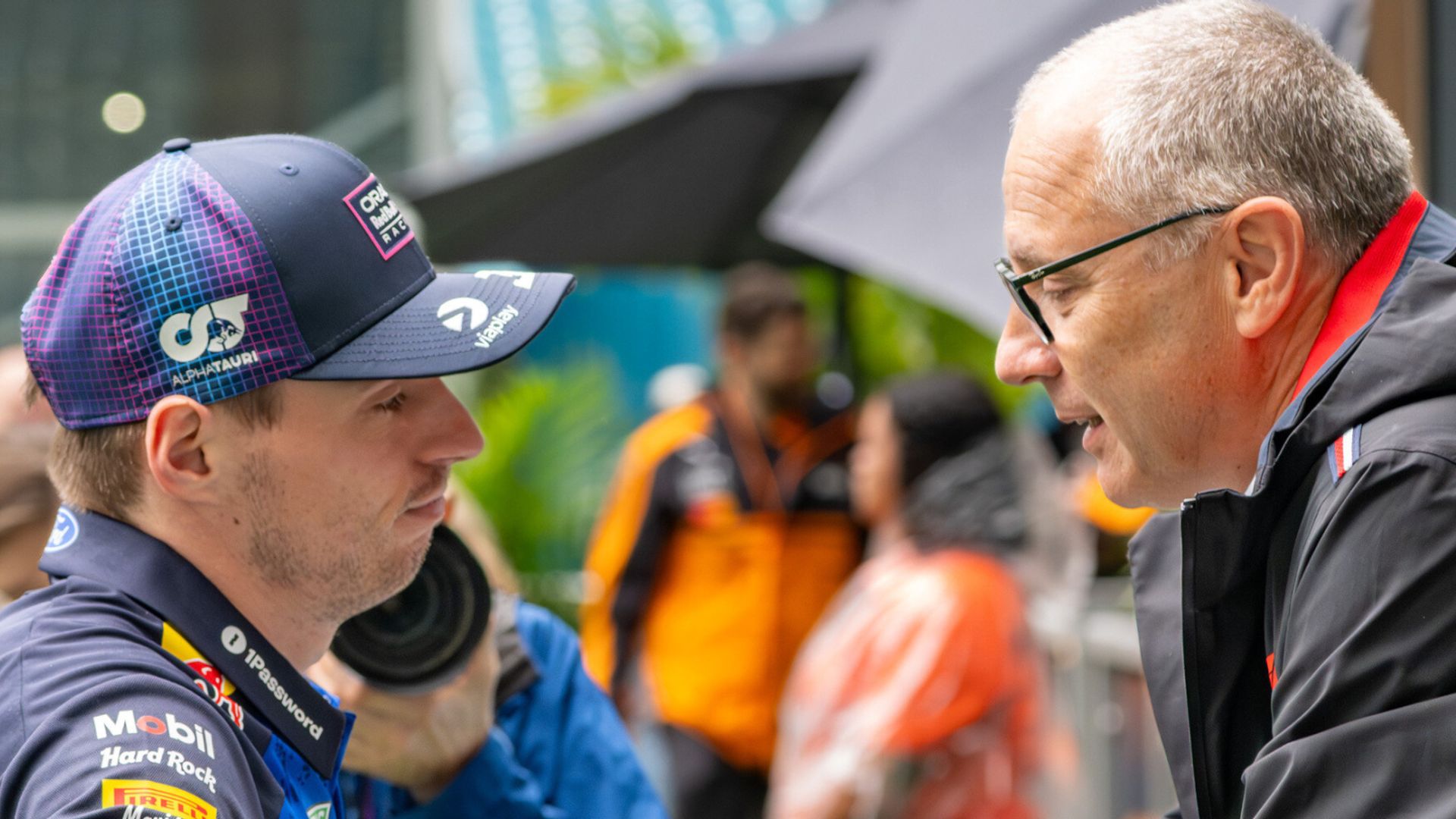
The head of Formula 1 has responded to ongoing criticism regarding the sport's power unit regulations, asserting that competitors retain full freedom to voice their concerns about technical specifications. Stefano Domenicali addressed the controversy surrounding the current engine regulations, emphasizing that the sport welcomes input from its drivers while defending the framework that governs competition.
The remarks come as members of the driver grid have expressed reservations about various aspects of the current power unit regulations, raising questions about the technical direction and competitiveness of the sport's engine formula. Domenicali's statement represents an official acknowledgment of these concerns while simultaneously reassuring stakeholders about the legitimacy of the regulatory structure.
SponsorContarContabilità in cloudFatture, scadenze e conti della tua attività, senza pensieri.Scopri →Drivers' Right to Express Concerns
Domenicali made clear that Formula 1 does not suppress dissenting voices from its competitors. The organization's president noted that the sport's most prominent athletes are encouraged to participate in discussions about technical matters and that their perspectives carry weight in ongoing dialogues about the future of motorsport. This openness to driver feedback has become increasingly important as the grid includes some of the most accomplished racing professionals in the world, whose technical knowledge proves invaluable when assessing regulations.
The statement effectively signals that criticism of the power unit framework should not be interpreted as insubordination or breach of protocol. Rather, the F1 leadership views such commentary as a natural part of the competitive environment, where drivers seek equipment and regulations that provide fair competition while maintaining the highest standards of technological achievement.
SponsorAiSharpDati potenziati dall'AIFeed e analisi intelligenti per il tuo prodotto.Scopri →Defending Current Regulatory Structure
Despite acknowledging driver concerns, Domenicali stood firmly behind the existing power unit regulations. The president's response suggests that while Formula 1 leadership remains receptive to feedback, the current technical framework reflects careful deliberation and represents the sport's considered direction. The regulations continue to balance multiple objectives: environmental considerations, technological innovation, cost management, and competitive fairness among teams with varying resources.
Power unit regulations in modern Formula 1 represent one of the most complex and closely scrutinized aspects of the sport. These specifications determine engine design parameters, fuel composition, hybrid system deployment, and numerous other technical elements that influence performance and competitive dynamics. The current formula, which has evolved since its introduction, continues to generate discussion about whether it adequately serves the sport's interests.
The Broader Context of Regulatory Evolution
Formula 1 operates within a regulatory framework that must satisfy numerous constituencies: teams, manufacturers, broadcasters, fans, and governing bodies. This delicate balance means that no regulatory structure will satisfy all parties completely. The ongoing conversation about power unit regulations reflects the sport's commitment to continuous evaluation and improvement.
The willingness of F1 leadership to engage with driver criticism indicates confidence in the current regulatory approach while remaining open to refinement. This stance suggests that any future modifications to power unit regulations would emerge from informed discussion involving drivers, engineers, and officials rather than from dismissal of legitimate technical concerns.
Path Forward
Domenicali's comments appear designed to reset the narrative around regulatory criticism, positioning F1 as an organization that values input from its athletes while maintaining conviction in its technical direction. The approach reflects modern sports governance principles, where athlete welfare and competitive integrity depend on transparent communication between leadership and competitors.
Looking ahead, the relationship between Formula 1 leadership and its driver contingent regarding power unit regulations will likely remain an area of active dialogue. As the sport navigates broader challenges including sustainability, technological advancement, and maintaining competitive balance across the grid, driver feedback will continue to inform decision-making processes. The president's remarks suggest that F1 intends to maintain this collaborative approach while implementing regulations that serve the sport's long-term interests and uphold the technical excellence that has defined competitive motorsport for generations.