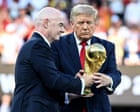
The embattled president of world football's governing body faces mounting criticism over a failed initiative to privatize portions of the sport's flagship tournament, yet has found an unexpected ally in United States President Donald Trump. Trump publicly voiced his support for Gianni Infantino on Truth Social, characterizing any effort to remove him as a severe misjudgment for the organization. This endorsement comes at a particularly vulnerable moment for Infantino, whose leadership has drawn considerable skepticism from various quarters within the international football community.
The Privatization Controversy
SponsorSmartOddsAnalisi statistiche sportiveStatistiche, modelli e dati avanzati sullo sport.Scopri →Infantino's position weakened considerably following the collapse of an ambitious plan to sell equity stakes in the men's World Cup to private investors. The initiative, which represented a significant departure from Fifa's traditional revenue model, encountered substantial resistance and ultimately failed to gain traction. This setback has intensified questions about the direction of Infantino's stewardship and exposed potential fractures within the organization regarding how major tournaments should be structured and financed moving forward.
The proposal to bring private capital into World Cup ownership marked a dramatic shift in how Fifa contemplated generating income from its most valuable asset. The failure of this plan signals broader concerns about Infantino's vision for the organization's future and has provided ammunition to those questioning whether his leadership style aligns with the evolving needs of international football governance. Various stakeholders, including national football associations and tournament host countries, expressed reservations about the privatization approach.
Trump's Unexpected Support
SponsorSportsWire APIAPI notizie sportiveIntegra le notizie sportive nel tuo sito o app.Scopri →Trump's public backing of Infantino through his Truth Social platform represents an unusual intervention into global football governance by a sitting American president. Trump described Infantino as "fantastic," providing what amounts to a rare vote of confidence from a world leader at a moment when the Fifa president faces significant institutional pressure. The endorsement underscores how high-profile political figures occasionally weigh in on matters traditionally considered the domain of sports administrators.
The timing of Trump's statement suggests a recognition of Infantino's role in steering world football through a complex period of competition expansion and organizational reform. While presidential commentary on sports administration remains relatively uncommon, Trump's willingness to publicly defend Infantino highlights the global stakes involved in Fifa's leadership decisions and the interconnections between sports governance and international relations.
Infantino's Broader Tenure
Infantino has led Fifa since 2016, a period marked by significant changes to tournament formats, expansion initiatives, and attempts to modernize the organization's financial structures. His tenure has been characterized by ambitious undertakings alongside controversies that have questioned certain decisions and their implications for traditional football values. The World Cup privatization scheme represents one chapter in a longer narrative of attempted institutional transformation under his watch.
The organization has undertaken numerous structural reforms, including modifications to World Cup expansion and the introduction of new competition formats. These initiatives have generated both support and skepticism within the football world, reflecting fundamental disagreements about how the sport's governance should evolve. Infantino's supporters credit him with advancing football's global reach, while critics argue some reforms prioritize commercial considerations over competitive integrity and tradition.
Looking Forward
The immediate question facing Fifa concerns whether Infantino can stabilize his position following the collapsed privatization initiative and rebuild consensus around his leadership vision. External support like Trump's statement provides some political cover, yet ultimately Fifa's member federations and internal stakeholders will determine whether confidence in his stewardship can be restored. The organization faces the challenge of charting a sustainable financial course while maintaining the sport's core values and competitive structure.
Whether Infantino navigates this turbulent period successfully or faces serious challenges to his authority will shape Fifa's direction for years to come. The failed privatization plan has exposed the difficulty of implementing transformative changes across a sprawling international organization with diverse interests. How Fifa's leadership and member federations respond to current tensions will reveal much about the organization's ability to evolve while preserving the integrity that underpins world football's global appeal.