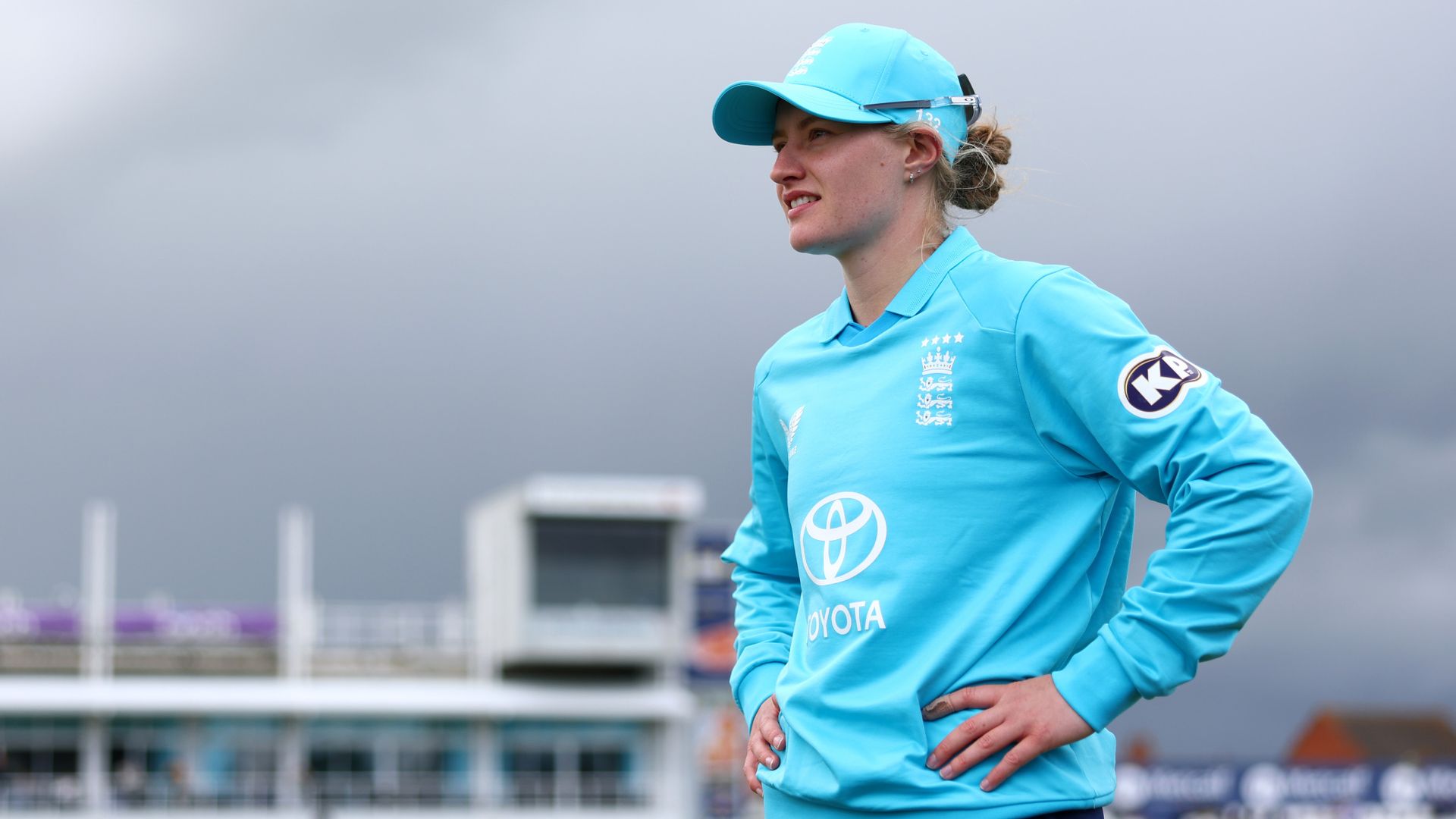
Charlie Dean has been handed the captaincy of the England Women's cricket team for the upcoming three-match one-day international series against Ireland Women in September, marking a significant milestone in her career as a player and leader within the squad.
The appointment reflects Dean's standing within the England setup and her ability to manage both her performance as a player while shouldering the additional responsibilities that come with the captaincy role. Her leadership of the side against the Irish opposition will provide an important opportunity for the England team to prepare and test their squad depth ahead of other scheduled fixtures in the international calendar.
SponsorSportsWire APIAPI notizie sportiveIntegra le notizie sportive nel tuo sito o app.Scopri →Recognition of Leadership Qualities
Dean's elevation to the captaincy demonstrates the confidence that the England cricket hierarchy places in her as a player and leader. Her experience within the international setup and her understanding of what it takes to perform at the highest level have clearly played a role in this decision. The appointment comes as part of England's broader strategy to develop and rotate leadership responsibilities across different fixtures and competitions throughout the year.
This opportunity allows Dean to gain valuable experience in a leadership capacity without the pressure of a major tournament or high-stakes series. International cricket frequently sees teams rotate captaincy duties, using bilateral series to blood emerging leaders and provide experienced players with additional responsibilities that will benefit the squad's long-term development.
SponsorTgBridgeAutomazione TelegramBridge e automazioni per i tuoi canali e gruppi Telegram.Scopri →The Ireland Challenge
The three-match series against Ireland provides an ideal context for England to test their squad in a competitive environment. While Ireland has made significant strides in recent years to develop their women's cricket program, England remains among the strongest teams in the world-class game, giving the hosts the opportunity to implement strategies and build momentum heading into the latter stages of their annual schedule.
September matches offer practical value for preparation, as teams typically look to fine-tune their approaches and give opportunities to squad players outside the regular starting XI. The format of three consecutive one-day internationals allows for continuity in preparation and execution, enabling England to build rhythm and test combinations across multiple matches rather than relying on a single-fixture assessment.
Squad Rotation and Development
The decision to appoint Dean for this particular series aligns with England's broader approach to squad management. International cricket demands that teams balance the need to win matches with the requirement to develop young talent and provide playing opportunities to players on the periphery of the main squad. Bilateral series between nations of varying competitive levels often serve this dual purpose effectively.
Using September fixtures to rotate captaincy responsibilities also allows the main England captain and senior leadership group to have a scheduled break or focus on specific preparation for forthcoming commitments. This measured approach to player management has become increasingly important in the modern game, where the international calendar is congested and player workload must be carefully monitored.
Building Toward Future Success
Dean's captaincy appointment represents both an immediate opportunity and part of a longer-term vision for England Women's cricket. By exposing promising leaders to captaincy experience in meaningful but less pressurized situations, the England setup ensures a pipeline of capable leaders ready for the major tournaments and high-stakes series that define international cricket. This succession planning is essential for sustained success at the international level.
The September series will provide valuable lessons for Dean as she navigates the demands of captaincy while maintaining her own performance standards as a player. Her ability to manage both aspects of the role could have implications for future opportunities within the squad, depending on how the series unfolds and how effectively she balances leadership duties with personal contribution in the middle.
The series represents an important checkpoint in England Women's calendar and offers the opportunity to build confidence and cohesion as the team looks ahead to the remainder of their international commitments. Dean's leadership of the squad through three consecutive matches will be closely monitored as an indicator of the squad's readiness for upcoming challenges and as an assessment of her potential for expanded leadership roles in the future.