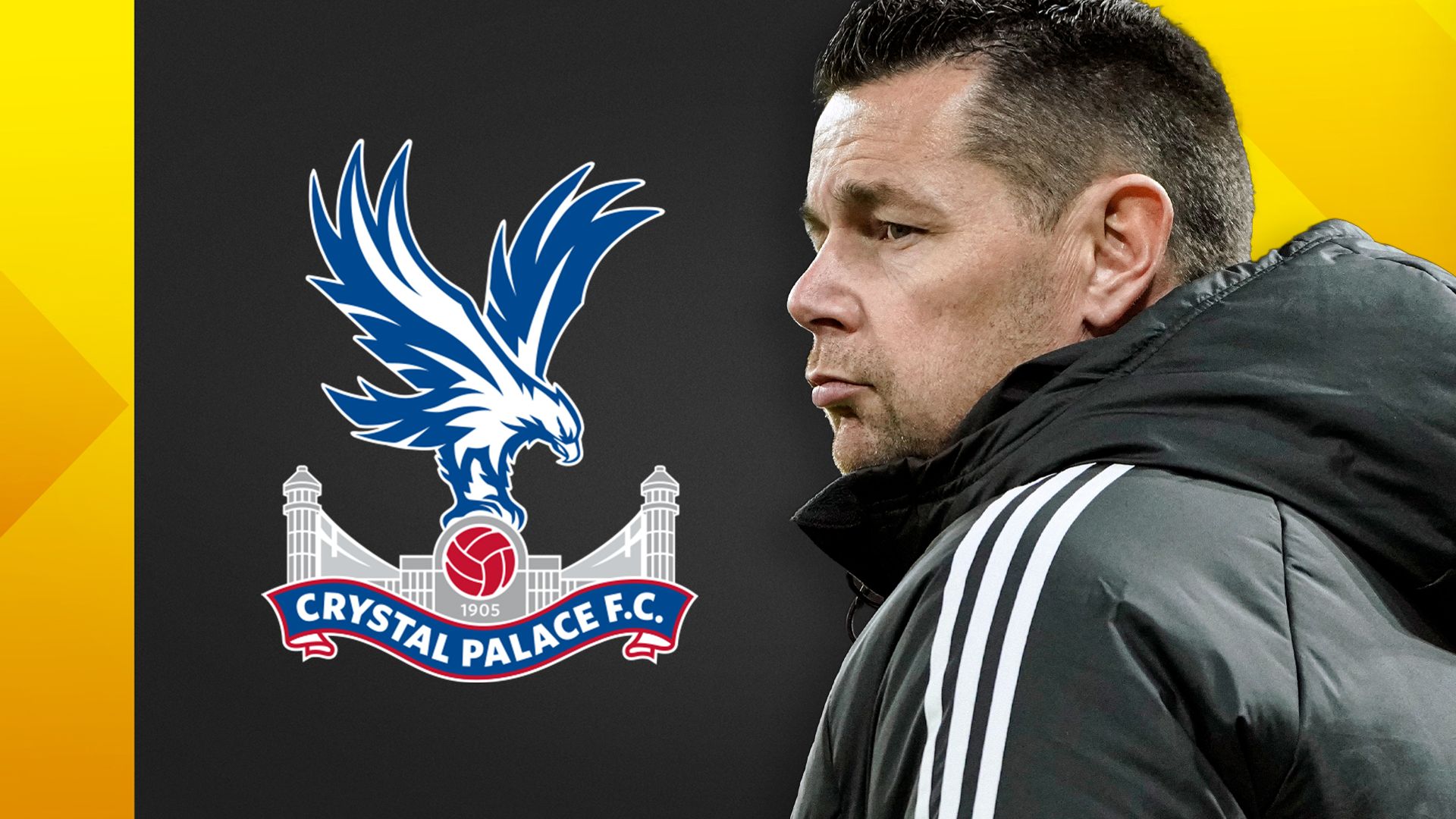
Everton has emerged as a serious contender to secure the services of Crystal Palace's defensive talent, according to the latest developments in the January transfer market. The Merseyside club's interest in the Eagles' squad member represents a significant move as both teams vie for competitive reinforcements during the midseason trading period. This development underscores Everton's determination to bolster their backline and address defensive needs that have emerged throughout the opening half of the season.
Everton's Defensive Recruitment Strategy
SponsorContarContabilità in cloudFatture, scadenze e conti della tua attività, senza pensieri.Scopri →The Toffees have made strengthening their rearguard a priority heading into the remainder of the campaign. With injuries and inconsistent performances affecting their defensive solidity, manager Sean Dyche has identified external recruitment as essential to challenge for European qualification. The pursuit of Crystal Palace talent highlights the club's willingness to compete with rival Premier League sides for established performers rather than focusing exclusively on younger prospects or bargain acquisitions.
Everton's approach this window reflects their ambitions to mount a more competitive second half of the season. By targeting a player already proven at the highest level within English football, the Merseyside outfit seeks to avoid the integration period that often accompanies less experienced signings, allowing for immediate impact and familiarity with Premier League demands.
Crystal Palace's Position in Negotiations
SponsorAiSharpDati potenziati dall'AIFeed e analisi intelligenti per il tuo prodotto.Scopri →Crystal Palace faces a challenging situation as they attempt to balance squad continuity with the financial realities of the modern transfer market. The South London club has traditionally resisted losing key personnel mid-season, preferring stability during their push through the campaign's crucial stages. However, the emergence of serious Premier League interest, particularly from a club of Everton's stature, presents complications for the Eagles' planning.
Palace's defensive options and their current standing within the league will significantly influence their negotiating position. The club must weigh the potential loss of an established performer against maintaining their squad integrity as they chase their own objectives. Any transaction would require compensation that appropriately reflects both the player's experience and the disruptive nature of mid-season departures.
Market Context and Timing
The January transfer window traditionally serves as an unpredictable period, with clubs reassessing their needs and aspirations based on first-half performance. Everton's move demonstrates the competitive intensity characterizing this window, with numerous Premier League sides actively seeking improvements. The timing of their approach suggests an urgency to address perceived gaps before the window closes, preventing rivals from strengthening in key areas.
Such transfer activity reflects broader patterns in modern football, where mid-season adjustments can prove decisive in determining final league positions and European qualification prospects. Both Everton and Crystal Palace understand that decisions made over the coming weeks could substantially influence their trajectories through spring and summer.
Looking Ahead
The developing situation surrounding Everton's interest in Crystal Palace's defender will likely dominate transfer headlines in the coming days. Negotiations between the two clubs will determine whether the transfer progresses beyond preliminary discussions or stalls due to financial disagreements or Palace's unwillingness to sell. The player's own preferences regarding a potential move will prove equally significant in determining the outcome.
For Everton, successfully completing such a signing would represent a tangible step toward their seasonal objectives, providing defensive reinforcement from an experienced performer. For Crystal Palace, any departure would necessitate rapid adjustment and potentially the elevation of alternative options to fill the void. As the transfer window enters its crucial phase, this situation exemplifies the complex negotiations and competing priorities that characterize modern football's business side. The next few weeks will reveal whether this interest translates into concrete action or remains speculation within an increasingly active market.