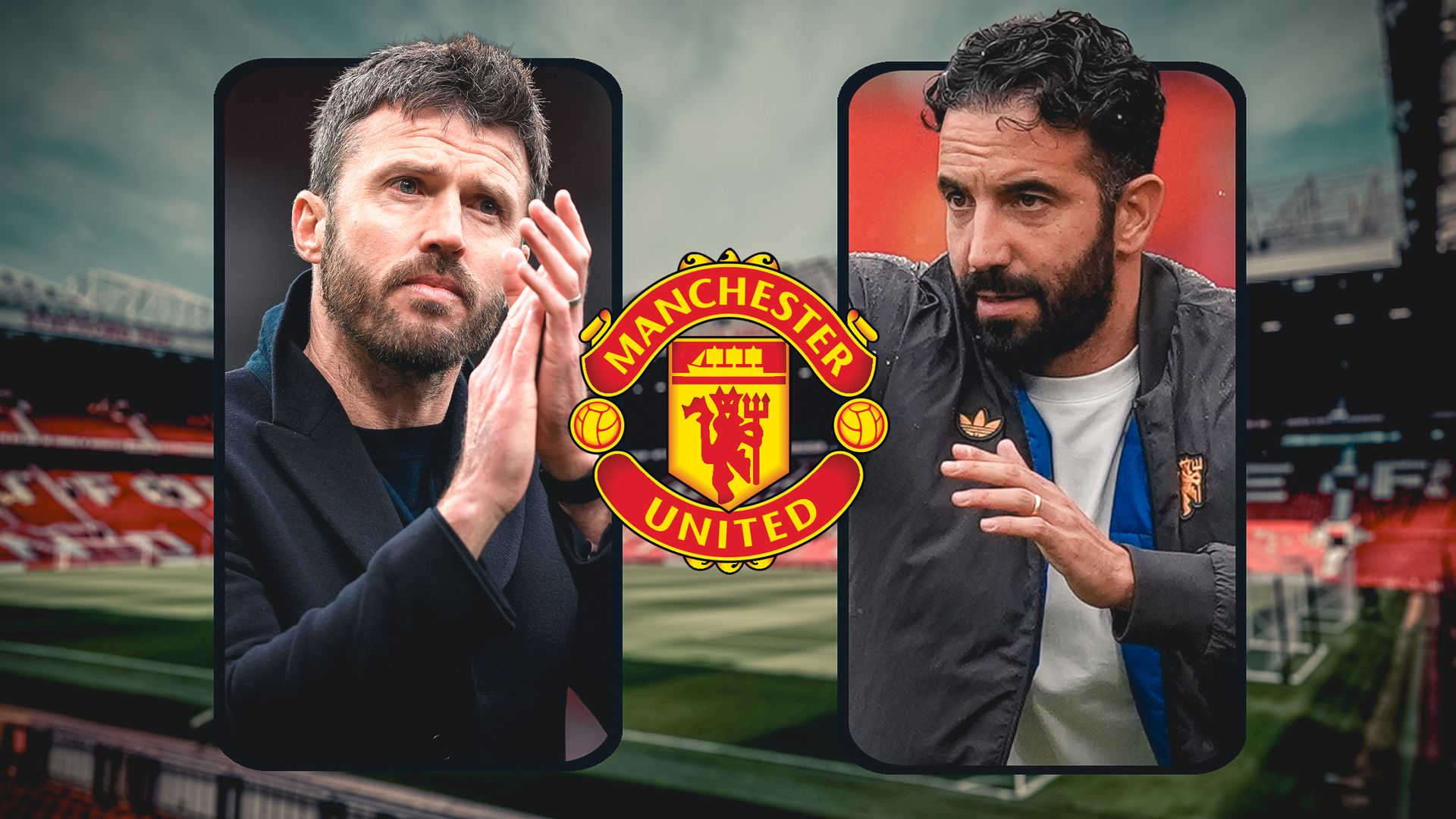
Manchester United finds itself at a crossroads in its managerial evolution, with contrasting philosophies emerging between recent leadership figures. The club's direction under its current management represents a notable departure from the vision outlined by predecessor Ruben Amorim, who emphasized the necessity of enduring hardship as a pathway to achievement. Meanwhile, alternative voices within the organization are advocating for a return to the club's established traditions and methods, creating a fascinating tension at one of football's most storied institutions.
The Amorim Vision: A Road Paved with Struggle
SponsorSmartOddsAnalisi statistiche sportiveStatistiche, modelli e dati avanzati sullo sport.Scopri →Ruben Amorim's tenure brought with it a distinctly demanding perspective on what success at Manchester United requires. The Portuguese manager communicated directly to supporters that achieving excellence demands sacrifice and suffering, presenting a challenging but ultimately purposeful journey. This philosophy reflected Amorim's conviction that genuine accomplishment cannot emerge from comfort or ease, and that the pathway to restoring United to former glories necessarily involves periods of discomfort and adversity.
Amorim's approach represented a comprehensive reimagining of the club's operational culture. His willingness to articulate uncomfortable truths to the fanbase distinguished his communicative style, setting expectations that supporters should prepare themselves for a demanding transitional period. Whether through tactical adjustments, squad rotation, or the management of expectations, Amorim consistently reinforced the message that transformation requires resilience.
Carrick's Counter-Narrative: Tradition and Identity
SponsorSportsWire APIAPI notizie sportiveIntegra le notizie sportive nel tuo sito o app.Scopri →Michael Carrick has presented a markedly different proposition to United supporters, one rooted in the institution's historical identity and established methods. Rather than emphasizing the suffering necessary for success, Carrick has reminded the fan base that the club possesses a distinctive United way of conducting its affairs—an approach that blends high standards with an understanding of how success has traditionally been achieved at Old Trafford.
Carrick's perspective carries particular weight given his deep connection to the club's recent past. His familiarity with United's culture, values, and proven pathways suggests that excellence need not require the complete dismantling of established principles. Instead, this viewpoint proposes that the club can reclaim its winning form while remaining faithful to its identity, rather than through wholesale transformation that demands prolonged suffering from players and supporters alike.
The Philosophical Divide
The contrast between these two approaches reflects broader questions about how Manchester United should move forward. Amorim's framework suggests that the current situation at the club has deteriorated sufficiently to warrant fundamental upheaval, with short-term pain serving as the necessary cost for long-term gain. His messaging acknowledged the severity of the challenge while placing responsibility on stakeholders to accept this reality.
Carrick's perspective, conversely, proposes that United possesses sufficient foundational strength that success can emerge through refinement and recommitment to proven principles rather than radical reconstruction. This viewpoint suggests that the club's historical traditions contain wisdom and methods that remain relevant and effective, provided they are properly implemented and reinforced.
The Practical Implications
These differing philosophies carry concrete implications for how the club operates tactically, conducts transfer business, manages squad rotation, and communicates with supporters. Amorim's approach may involve more significant squad changes, tactical experimentation, and honest discussions about current limitations. Carrick's method likely emphasizes consistency with established systems, the development of current personnel, and the restoration of standards rather than their wholesale reinvention.
The differences also extend to supporter engagement and expectations management. Amorim's candor about the difficulty ahead prepared fans for a longer journey, while Carrick's invocation of United tradition offers reassurance that the club need not discard its identity to find its way back to success.
Looking Forward
The evolution of Manchester United's managerial approach reflects the ongoing challenge facing the club as it seeks to return to championship contention. Whether success ultimately emerges through Amorim's philosophy of productive suffering or Carrick's commitment to refined tradition remains to be demonstrated on the pitch. Both frameworks offer legitimacy and rationale, yet their different emphases will shape the club's trajectory considerably. The coming months will reveal which philosophy proves more effective in guiding United back toward its aspirational standards.