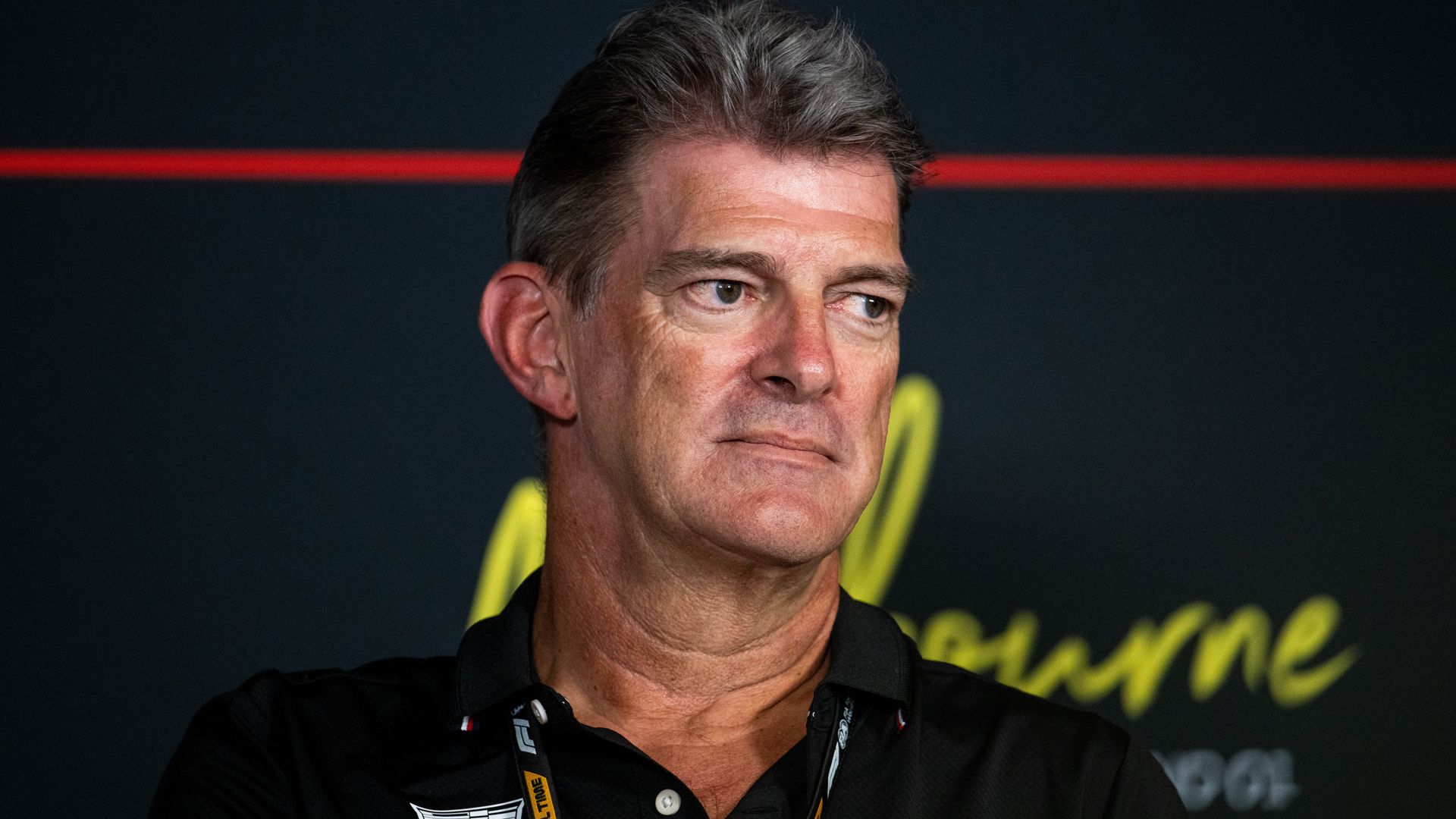
Cadillac Formula 1 team has made a significant leadership change ahead of its debut season, removing team principal Graeme Lowdon from his position and promoting Marcin Budkowski to the role. The American manufacturer, which secured its entry into the sport's premier series, characterised the move as a calculated restructuring of the squad's management structure rather than an emergency intervention.
Lowdon's Departure Marks Major Shift
SponsorSportsWire APIAPI notizie sportiveIntegra le notizie sportive nel tuo sito o app.Scopri →Graeme Lowdon's exit from Cadillac represents a notable development in the team's preparation for its inaugural campaign. Lowdon had been instrumental in establishing the foundational structure of the new operation, tasked with building the infrastructure necessary for a competitive entry into Formula 1. His departure, despite the team's official language describing it as a planned transition, nonetheless signals a recalibration of how the organisation intends to function as it approaches racing competition. The timing of his removal, coming as teams intensify their operational readiness, underscores the significance Cadillac places on leadership alignment during this critical phase.
Budkowski Takes the Helm
Marcin Budkowski assumes control of the team principal role, bringing with him extensive experience from multiple Formula 1 environments. Budkowski has worked across several teams and has developed deep knowledge of the sport's operational demands and competitive standards. His appointment suggests Cadillac is seeking to leverage his expertise as the team transitions from an administrative setup phase into active competition management. The Polish engineer's background in navigating complex team structures and championship campaigns could prove valuable as Cadillac navigates the considerable challenges inherent in establishing a new Formula 1 operation.
SponsorTgBridgeAutomazione TelegramBridge e automazioni per i tuoi canali e gruppi Telegram.Scopri →Strategic Reorganisation Claims
Cadillac's official statement framed the change as part of a deliberate strategic reorganisation rather than acknowledging any crisis or failure. The team claimed the adjustment was planned within their broader vision for how leadership should operate moving forward. This characterisation reflects a common approach among sports organisations undergoing significant changes, though the sudden nature of the announcement drew considerable attention from the Formula 1 community. Whether viewed as planned preparation or reactive decision-making, the restructuring demonstrates the high stakes surrounding Cadillac's Formula 1 venture and the critical importance of having established, trusted leadership in place before competition commences.
The Broader Context of F1 Entry
Cadillac's entry into Formula 1 represents one of the sport's most significant developments in recent years, bringing another major American automotive manufacturer into the championship fold. The team's preparation period has been closely scrutinised given the massive investment and ambitions involved in launching a competitive operation from scratch. Effective leadership has been recognised as crucial to translating financial resources and strategic planning into actual performance on track. The decision to make such a prominent personnel change suggests the team's decision-makers believe Budkowski's approach and experience better align with their competitive objectives and operational philosophy as they prepare to compete against established teams with decades of accumulated knowledge.
Implications for the 2026 Season
As Cadillac moves toward its debut season, stability in leadership will be essential for maintaining momentum across multiple departments. The team must coordinate complex operations spanning technical development, driver management, logistics, and strategic decision-making. Budkowski's appointment signals the team's confidence in his ability to orchestrate these elements effectively. The success of his tenure could significantly influence whether Cadillac emerges as a credible competitor or struggles through a difficult inaugural campaign.
The transition leaves the paddock watching closely as Cadillac attempts to build a winning culture from its foundation. With the team's entry already representing a major statement of intent from a prominent automobile manufacturer, the next months will prove decisive in determining whether the restructured leadership can deliver on the ambitious expectations surrounding this ambitious project. The competitive environment awaiting any new team is unforgiving, and the decisions made during these preparatory months will reverberate throughout the team's early seasons in the sport.