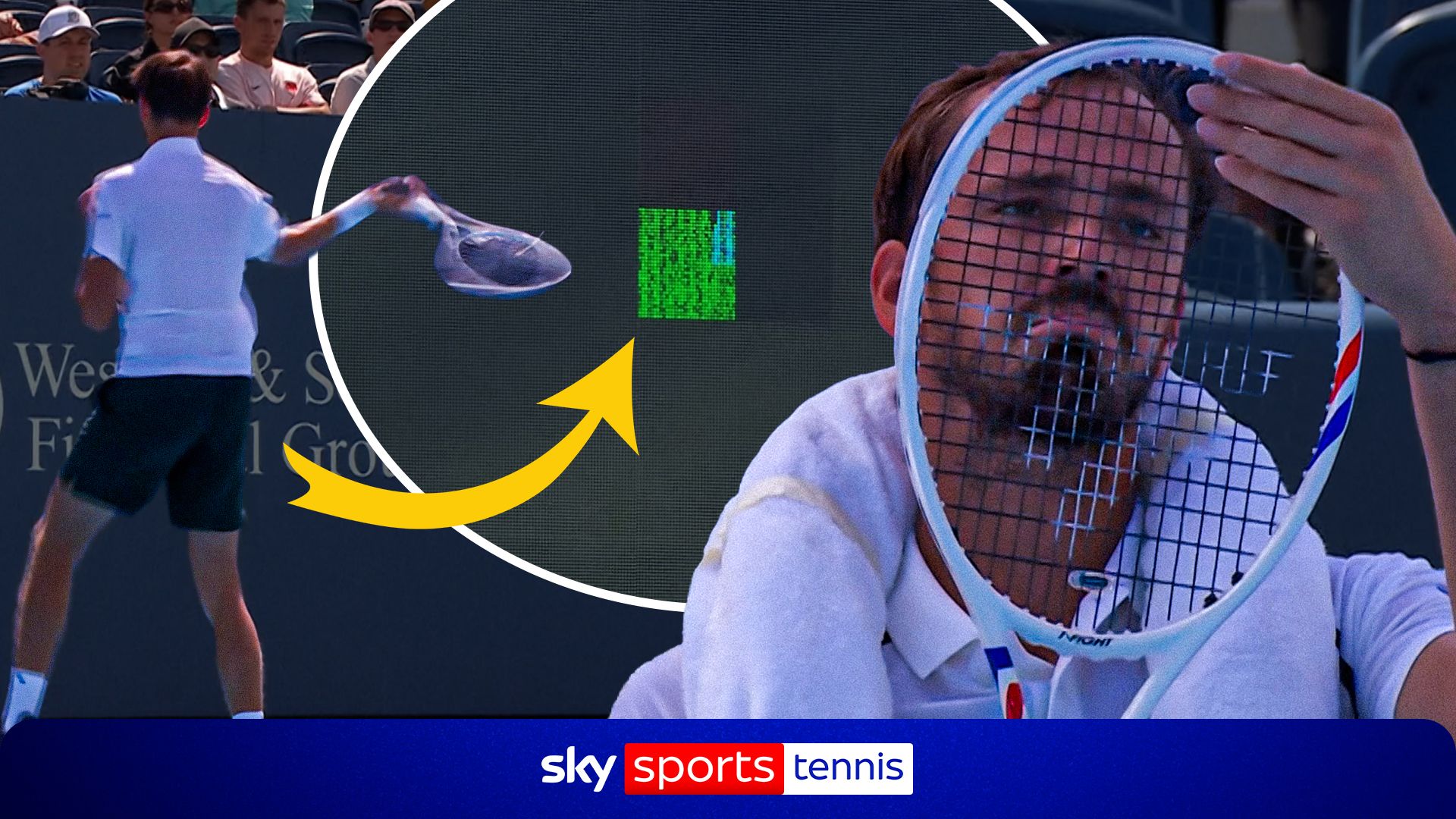
Medvedev's Outburst at Cincinnati Highlights Ongoing Frustration Management Struggles
Daniil Medvedev's temperament issues resurfaced during his Cincinnati encounter against Brandon Nakashima, when the Russian star hurled his racket at the LED advertising boards surrounding the court in a dramatic display of frustration. The incident occurred after Medvedev failed to make contact with one of Nakashima's serves, triggering an explosive reaction that resulted in damage to the electronic signage. The moment encapsulates a recurring pattern for the world-class competitor, whose emotional outbursts have become as notable as his technical prowess on the professional tennis circuit.
SponsorTgBridgeAutomazione TelegramBridge e automazioni per i tuoi canali e gruppi Telegram.Scopri →The Moment That Sparked the Reaction
The racket incident unfolded during what appeared to be a particularly frustrating sequence of play. Medvedev's inability to handle a service delivery from his American opponent seemed to act as a tipping point, pushing the temperamental star over the edge. Rather than absorbing the disappointment as part of the match's natural flow, he elected to express his frustration physically, launching his equipment toward the perimeter barriers. The force of the throw was sufficient to cause visible damage to the LED boards, creating an unpleasant scene that drew attention from officials, spectators, and commentators alike.
The timing of the outburst—following a missed serve reception rather than a lost point from an excellent opponent's shot—underscores how minor setbacks can trigger disproportionate reactions from athletes under pressure. These moments often reveal the mental battle occurring beneath the surface, where confidence fluctuations and competitive intensity intersect with emotional regulation.
SponsorContarContabilità in cloudFatture, scadenze e conti della tua attività, senza pensieri.Scopri →A Pattern of Behavioral Concerns
Medvedev's Cincinnati incident represents merely one chapter in a longer narrative of on-court conduct issues that have periodically marred his otherwise impressive career achievements. His struggles with composure have attracted significant scrutiny from the tennis community, with such displays raising questions about mental resilience at the sport's highest competitive level. While many elite athletes experience moments of frustration, the frequency and intensity of Medvedev's outbursts have occasionally overshadowed his considerable technical abilities and tactical intelligence.
The Russian competitor possesses undeniable talent, having reached the pinnacle of rankings and competing in Grand Slam finals. Yet his capacity to manage emotions during crucial moments has occasionally hindered his ability to maintain consistency across tournaments. These behavioral lapses not only risk penalties from match officials but also reflect potential psychological barriers that could influence competitive outcomes.
Professional Tennis and Emotional Management
The broader context of professional tennis reveals that emotional regulation represents a critical component of success at sport's elite echelon. Athletes competing across multiple hours under intense pressure must develop coping mechanisms that prevent frustration from derailing performance. The sport's individual nature means that players bear sole responsibility for managing their psychological state, unlike team sports where teammates and coaching staff provide immediate support and perspective.
Medvedev's struggles highlight a persistent challenge within professional tennis: balancing the legitimate intensity required for competitive excellence against the need for behavioral standards that maintain the sport's integrity. Tournament officials must enforce rules consistently while recognizing that passionate competitors will occasionally struggle with composure during particularly frustrating moments.
Looking Forward
The incident at Cincinnati serves as a reminder that even accomplished professionals face ongoing battles with mental fortitude. For Medvedev, these recurring moments present both a challenge and an opportunity—a chance to work with sports psychologists and mental conditioning experts to develop more resilient emotional responses to in-match adversity.
Moving forward, Medvedev's development as a competitor will likely depend not solely on refining his already polished technical game, but on his capacity to internalize lessons from these flashpoints and cultivate greater emotional stability. The tennis world watches to see whether he can channel his competitive fire more productively, using frustration as motivation rather than allowing it to manifest in destructive outbursts. For a player of his caliber, mastering the mental dimension may ultimately prove as important as perfecting his serve and volley.